







Clinical product guide
Dry eye ingredients and what each one does.
Sometimes the question is which molecule, not which category. Start from the action you need, find the ingredient behind it, and see which products contain it and at what strength.
Quick answer
Start with the mechanism, then the brand.
Hydrating the surface usually means HA alongside a lubricant active, and supporting the lipid layer means an oil or emulsion. Dosing many times a day points toward preservative-free, overnight protection toward petrolatum and mineral oil, lid care toward hypochlorous acid or, when Demodex is suspected, terpinen-4-ol, and long-term nutrition toward EPA, DHA and carotenoids.
In short
- The listed active on a lubricant drop is usually glycerin, povidone or CMC, and sodium hyaluronate is typically among the inactive ingredients.
- Lipid drops use oils such as mineral oil, sacha inchi seed oil, or a flaxseed and castor oil blend.
- For a drop used many times a day, whether it is preserved is among the most important details on the label.
- The hypochlorous sprays on our shelf range from 0.01% to 0.02%, while tea tree products rarely list a strength.
- Omegas compare on EPA and DHA per serving plus oil form, and carotenoids on milligrams of each one.
Six mechanisms behind most product choices.
Each card opens the category, or a top product, where that mechanism lives.
Hydration
Lubricant actives like glycerin or povidone, with trehalose and sodium hyaluronate helping hold water at the surface.
Lipid layer
Oils and emulsions that target the lipid layer of the tear film.
Overnight cover
Ointments of petrolatum and mineral oil that stay in contact longest while the eyes are shut.
Lid cleansing
Hypochlorous acid in a saline base, sprayed on and left to air dry.
Demodex
Tea tree oil and terpinen-4-ol, the tea tree component most active against Demodex in lab testing.
Nutrition
Fish oil EPA and DHA, plus the macular carotenoids lutein, zeaxanthin and meso-zeaxanthin.
Top sellers at wholesale.
Ordered by units sold, so the first cards are the products practices come back for most.
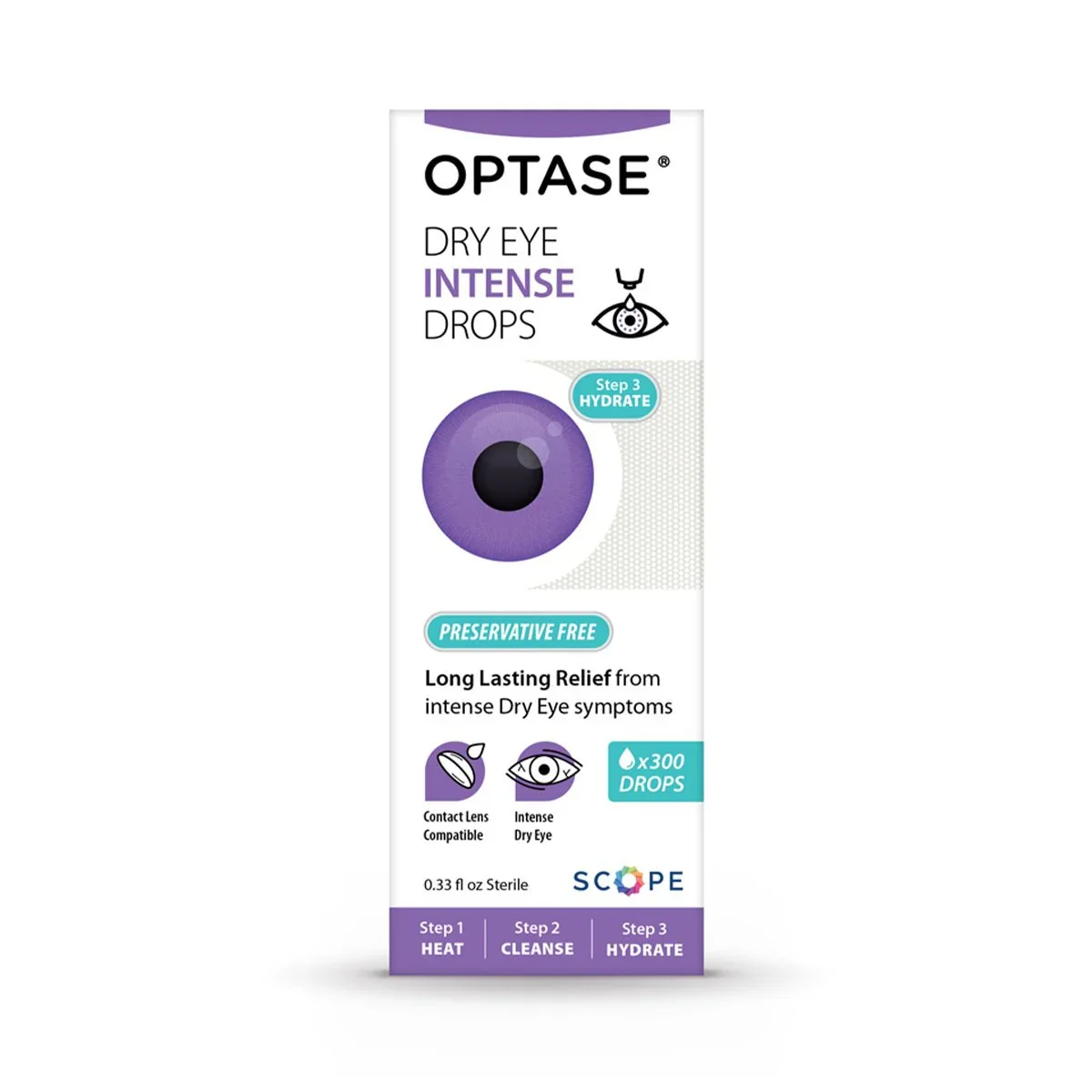
Optase Intense PF Eye DropsView product
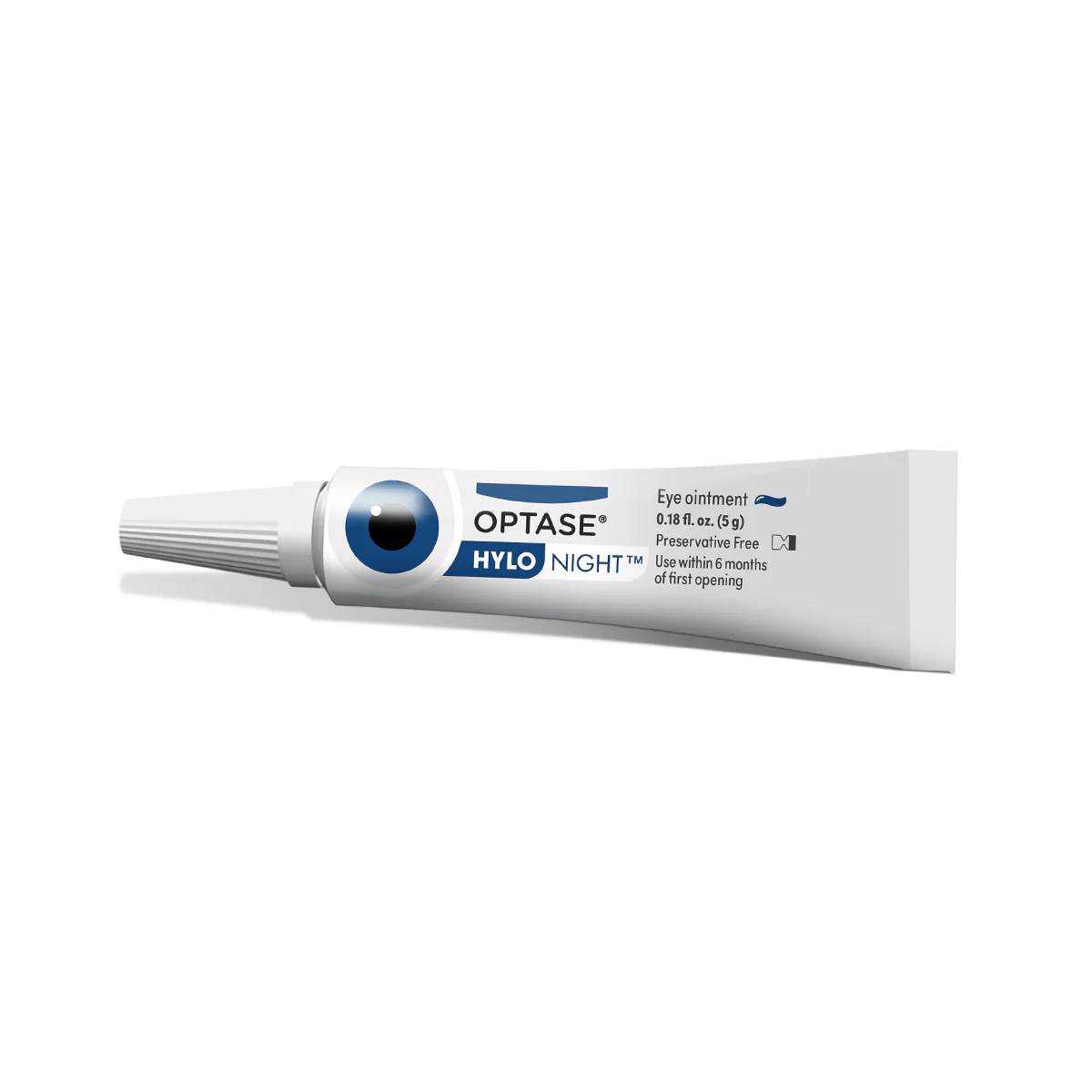
Optase Hylo Night PF OintmentView product
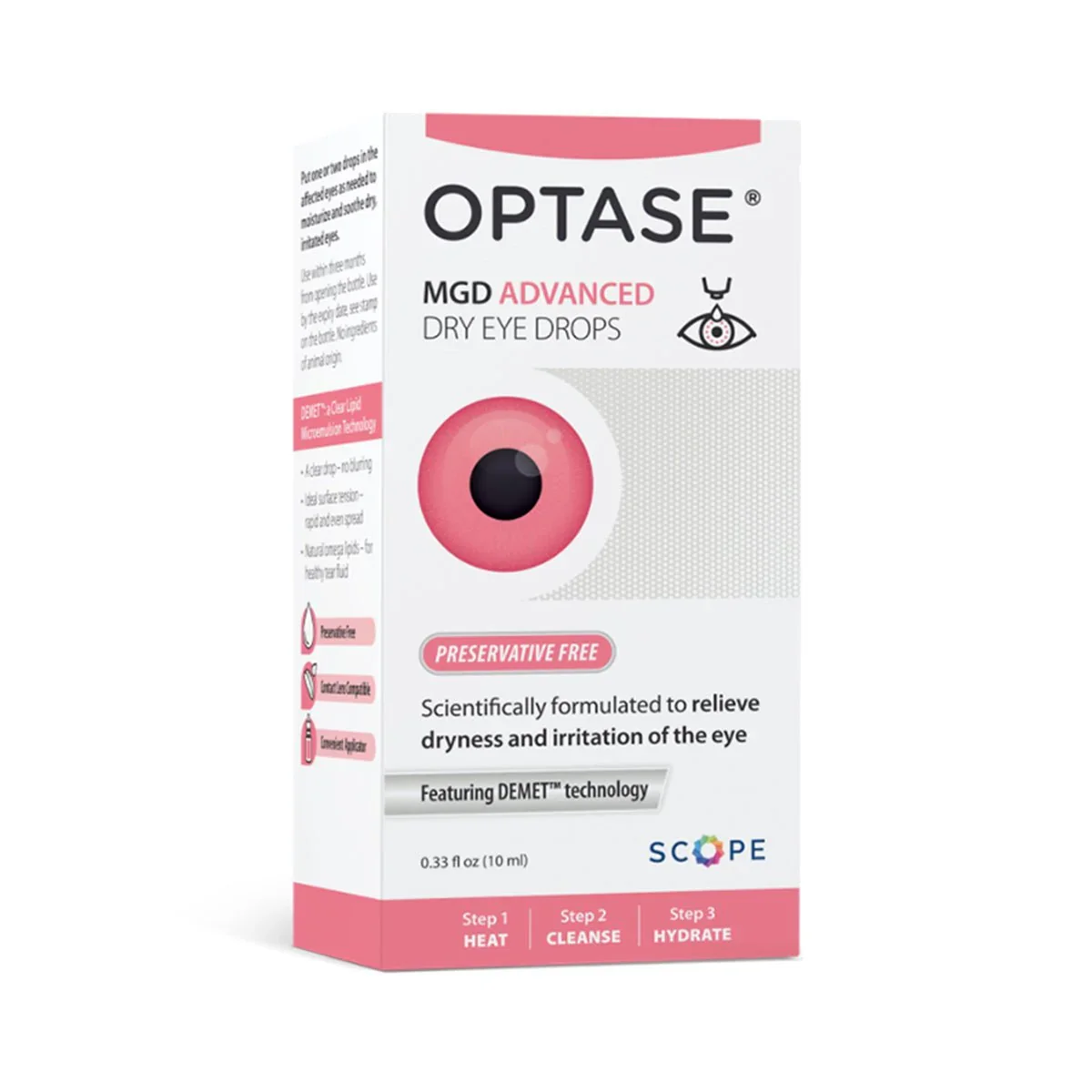
Optase MGD Advanced PF DropsView product
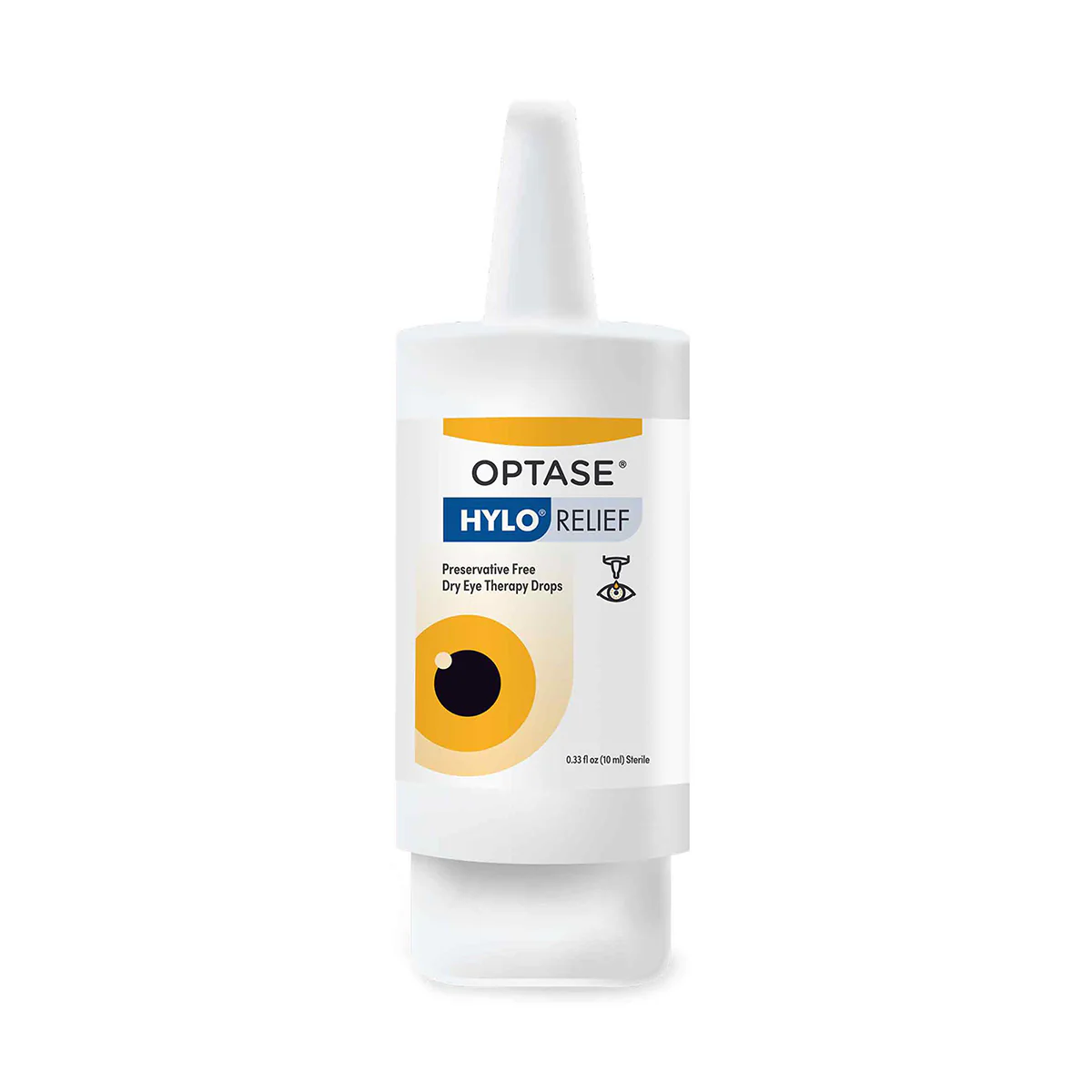
Optase Hylo Relief PF DropsView product
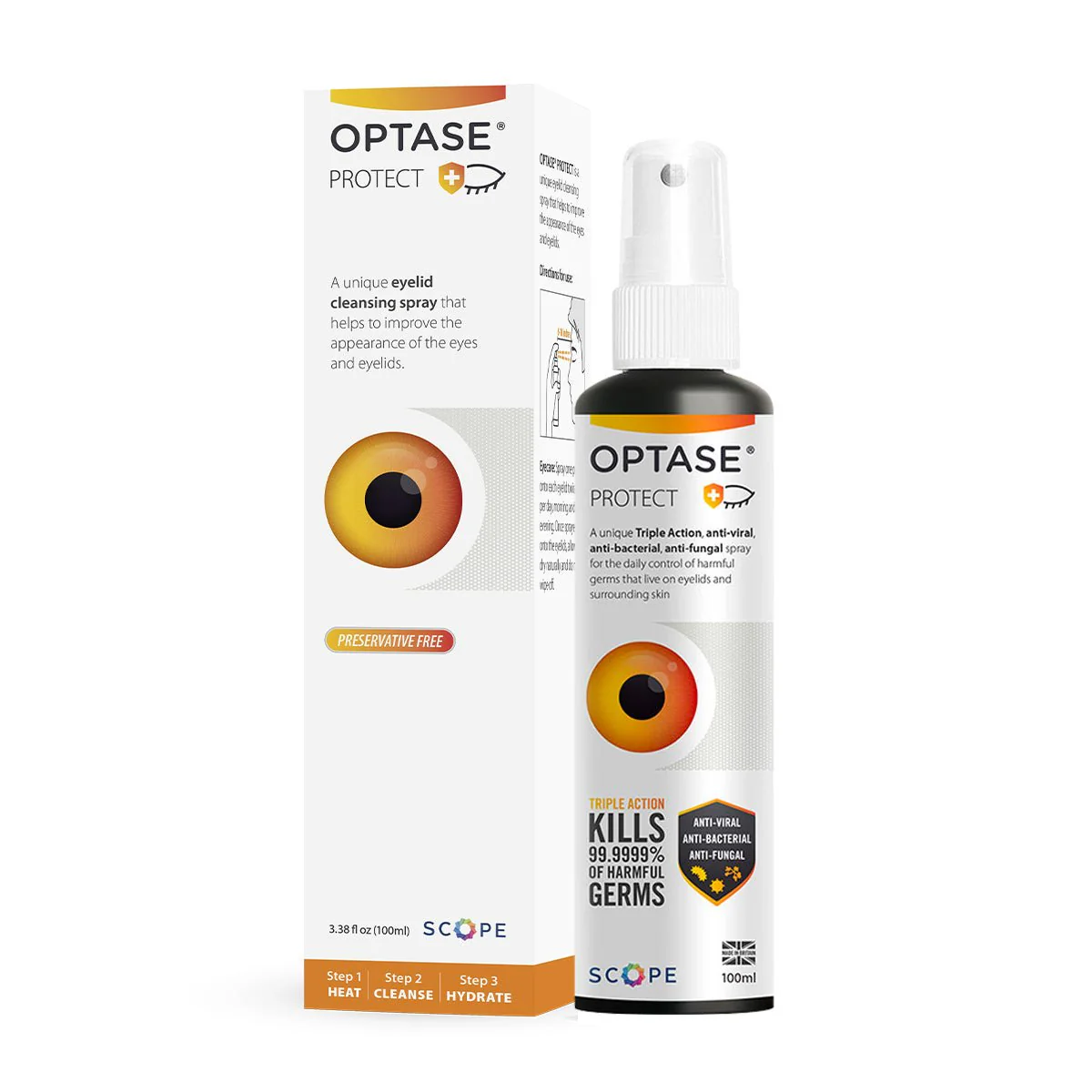 Optase Protect Hypochlorous Lid SprayView product
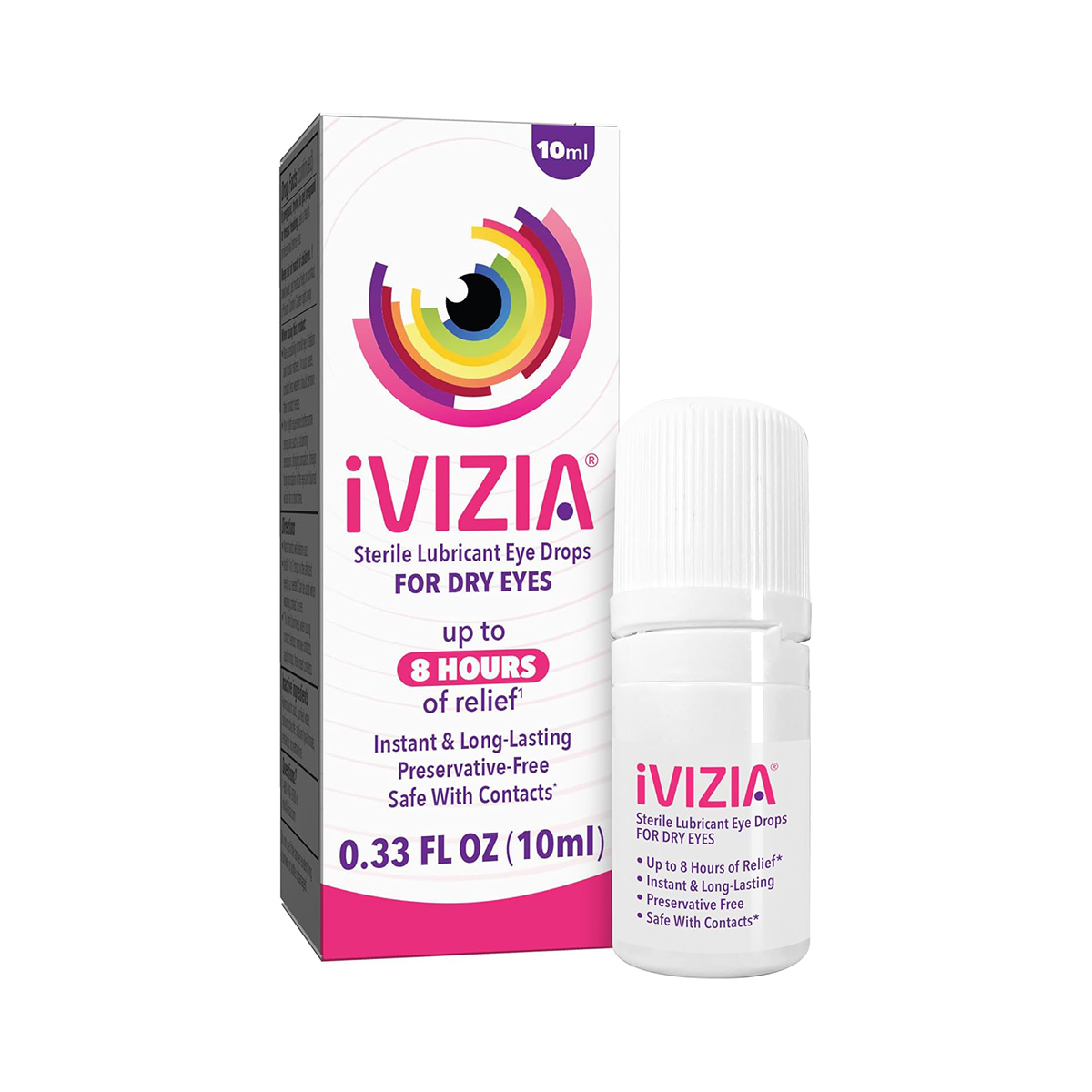 iVIZIA PF Lubricant Drops (10 mL)View product
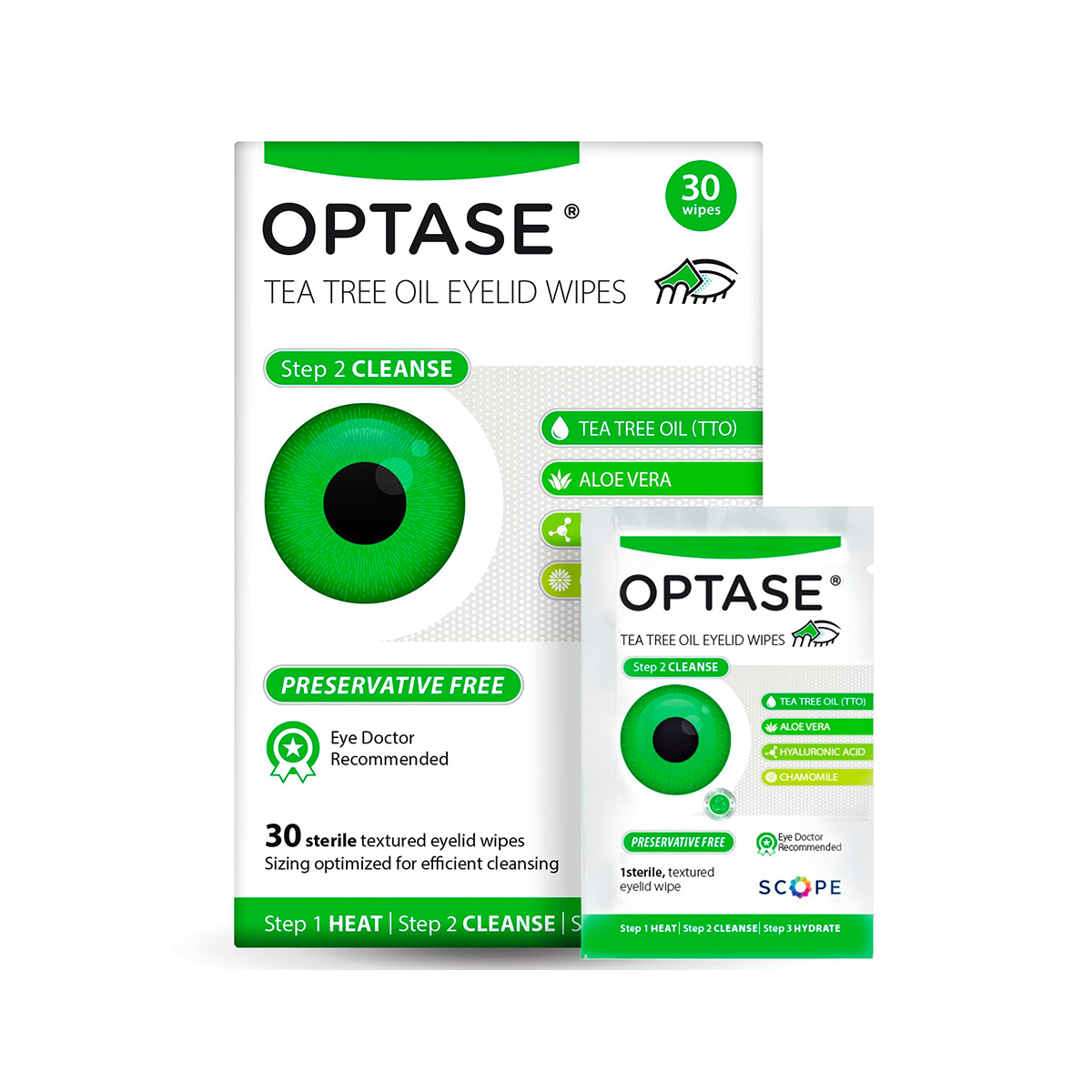 Optase Tea Tree Oil Lid Wipes (30)View product
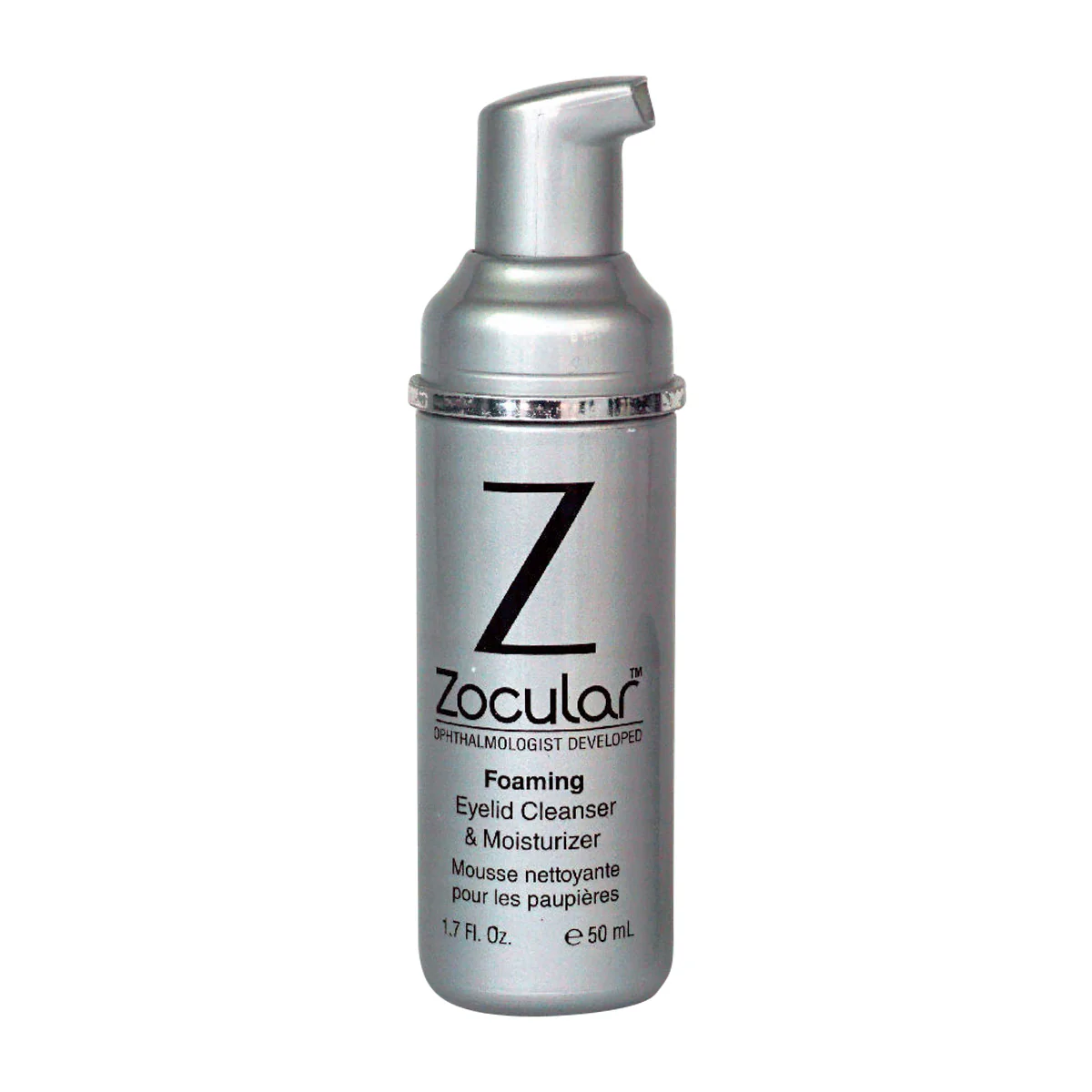 ZocuFoam Lid Cleanser FoamView product
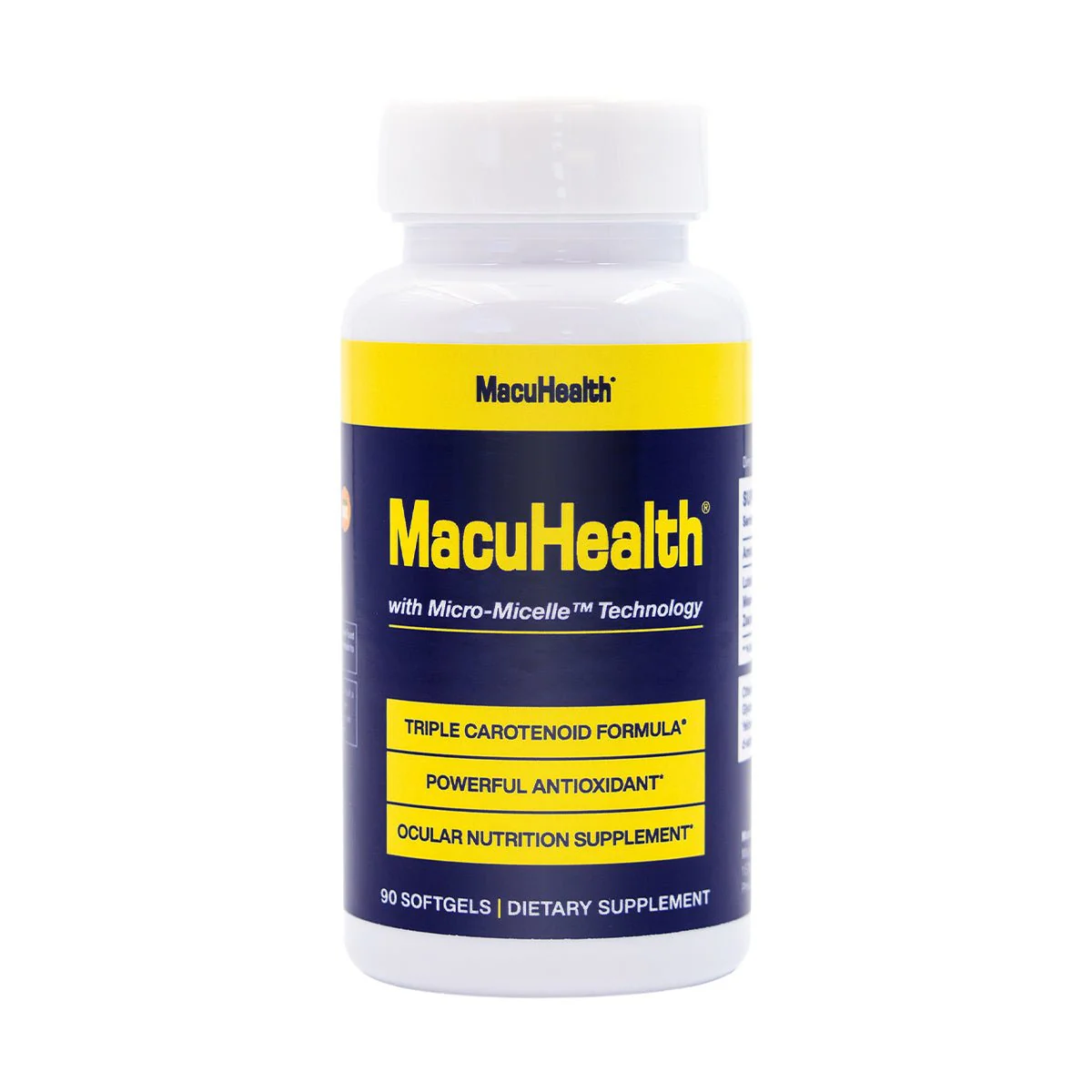 MacuHealth Triple Carotenoid (90)View product
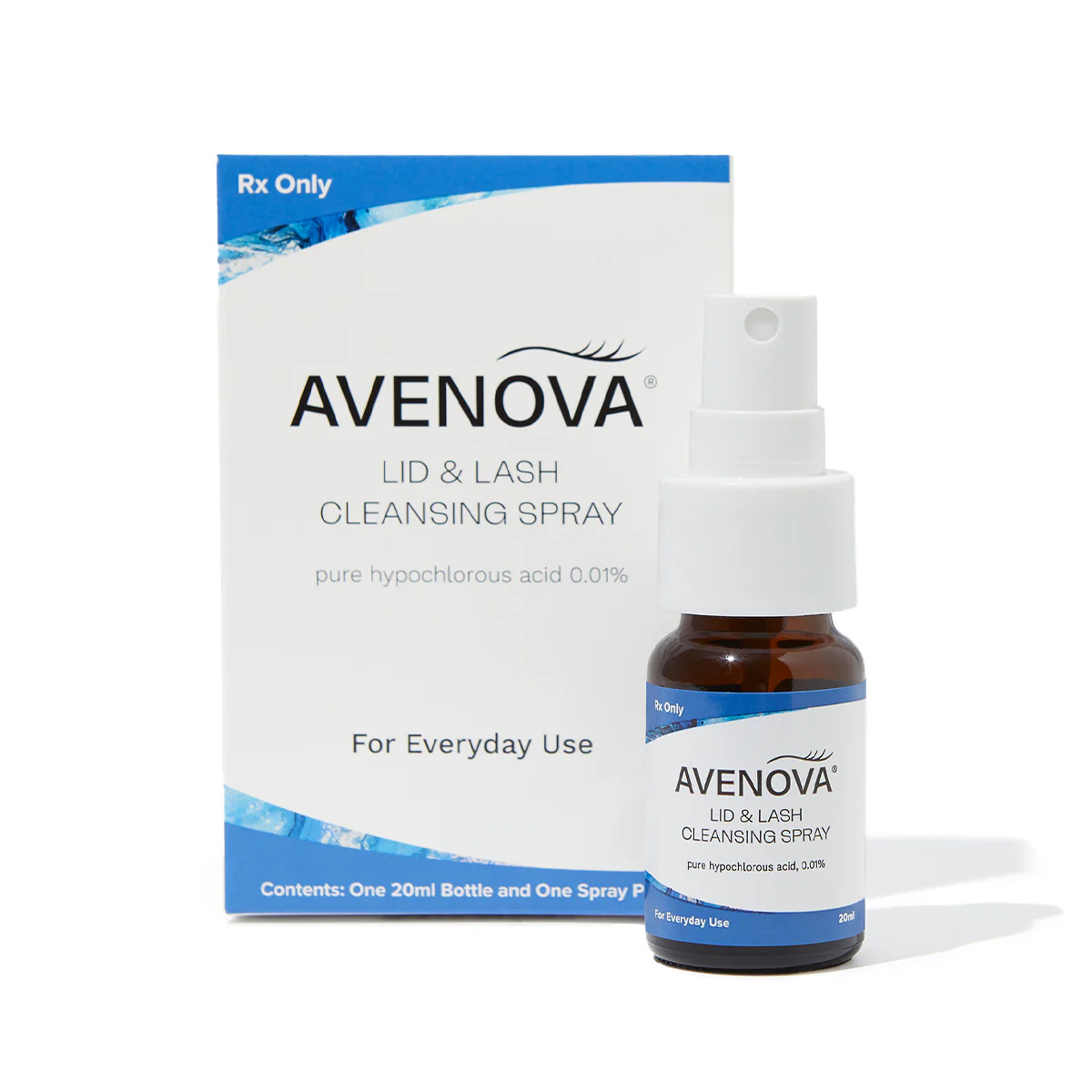 Avenova Hypochlorous Lid SprayView product
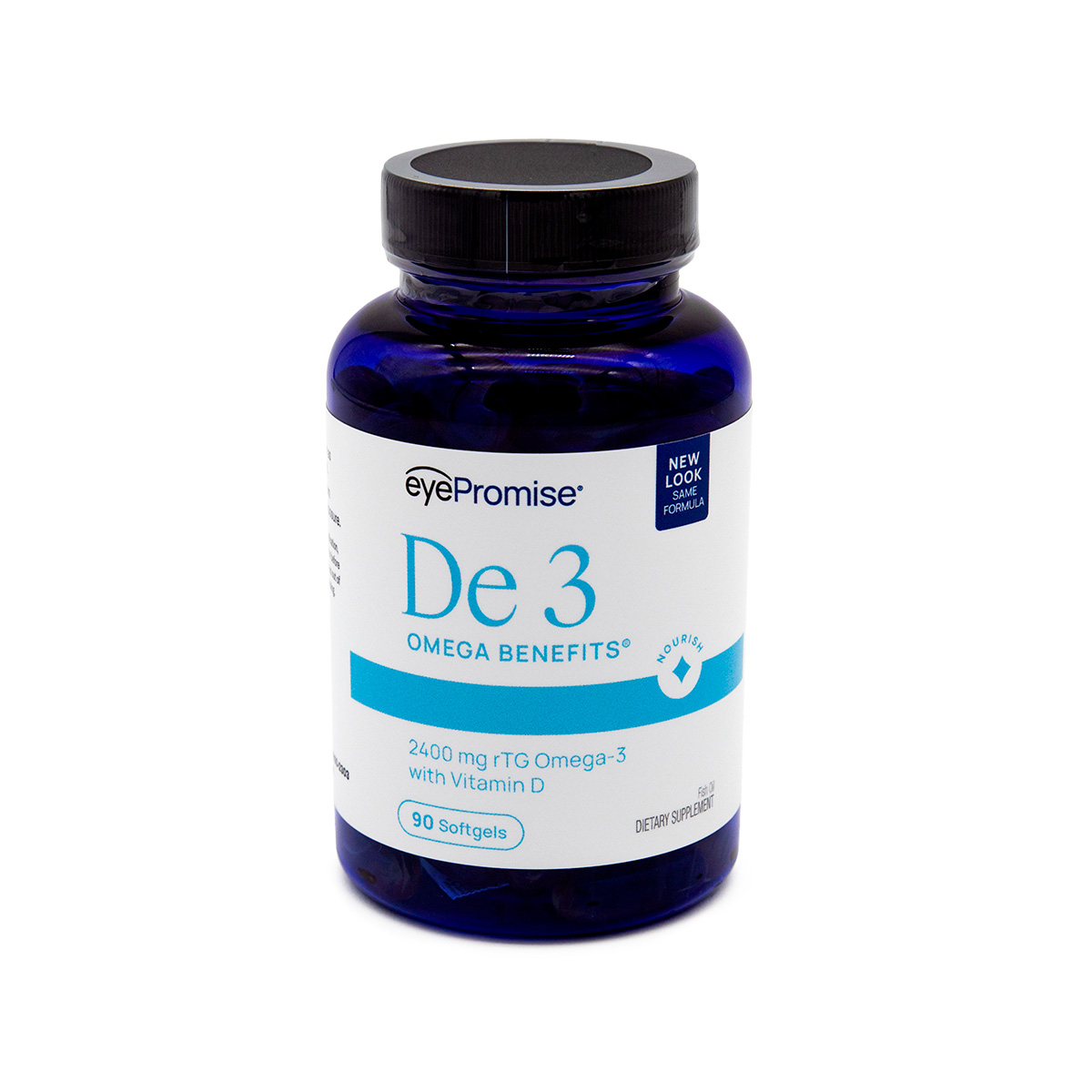 PRN De3 Dry Eye Omega SoftgelsView product
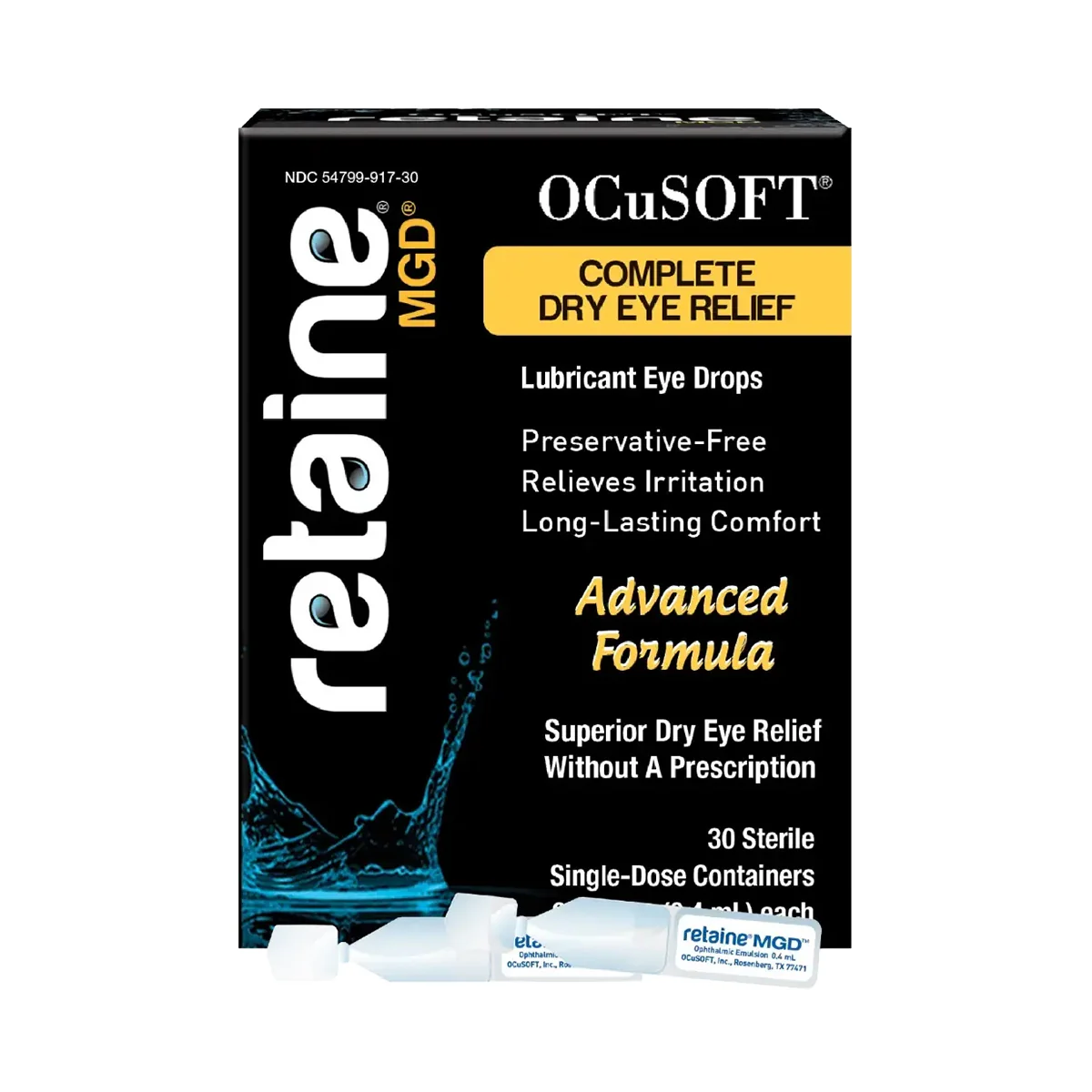 OCuSOFT Retaine MGD PF (30 vials)View product
From ingredient to action to product.
Strengths are taken from each label. Use the table to go from a finding to a product.
| Ingredient | Action | On our shelf |
|---|---|---|
| Glycerin (lubricant active) | Lubricates and protects the ocular surface | Refresh Optive Mega-3 1%, Optase MGD Advanced 0.9%, Optase Hylo Relief 0.25%, Oasis Tears Plus 0.22%, Optase Intense 0.2% |
| Povidone (lubricant active) | Lubricates and protects the ocular surface | iVIZIA eye drops and iVIZIA gel, each 0.5% |
| Sodium hyaluronate | Retains water in the formula and at the surface | Systane PRO PF, Optase MGD Advanced, Oasis Tears Plus, iVIZIA, Optase Hylo Relief, Optase Intense |
| Oils and emulsions | Target the lipid layer of the tear film | Systane PRO PF (mineral oil emulsion), Refresh Optive Mega-3 (castor and flaxseed oil), Optase MGD Advanced (sacha inchi seed oil), Retaine MGD (light mineral oil and mineral oil, 0.5% each) |
| Petrolatum and mineral oil | Overnight lubrication with the longest contact time | Refresh PM, OCuSOFT Retaine PM (petrolatum 80%, mineral oil 20%, no inactive ingredients), Optase Hylo Night (contains lanolin) |
| Hypochlorous acid | Leave-on cleansing of lids and lashes | Bruder Hygienic Eyelid Solution 0.02%, OCuSOFT HypoChlor 0.02%, Optase Protect 0.015%, Avenova 0.01% |
| Tea tree oil and terpinen-4-ol | Lid cleansing directed at Demodex | Cliradex (terpinen-4-ol), EyeEco TranquilEyes (1% and 2%), Blephadex, OCuSOFT Oust, Optase Tea Tree wipes and gel |
| Okra complex and mild surfactants | Foam lid cleansing with no tea tree or hypochlorous acid | ZocuWipe, ZocuFoam |
| EPA and DHA | Daily omega-3 nutrition | Nordic ProOmega 2000 (2,000 mg per 2 softgels), Fortifeye Super Omega-3 Max (2,100 mg per 2), PRN De3 (2,240 mg per 3, rTG) |
| Lutein, zeaxanthin, meso-zeaxanthin | Daily carotenoids for macular pigment | EyePromise Zeaxanthin + Lutein (10 mg of each), MacuHealth Triple Carotenoid (10, 2 and 10 mg) |
| Brimonidine tartrate 0.025% | Relieves redness due to minor eye irritations | LUMIFY Redness Reliever Eye Drops |
Check active ingredients and strengths on each current label before recommending a product.
Keep a short shelf and route the rest.
Stock the fast movers patients pick up at checkout and route everything else through RescueLink. Nothing slow sits on your shelf, and the refill comes back to your practice.
On your shelf
- One preservative-free hydration drop and one lipid drop
- A hypochlorous spray plus a tea tree product
- An omega and a carotenoid supplement
Through RescueLink
- Other actives and strengths
- Vials, gels, pads and other specialty formats
- Every refill on auto-ship
If two products look like substitutes, compare their ingredient lists. Lipid content, preservative status, cleanser chemistry and omega form predict performance far better than the brand name on the box.
Questions doctors ask
Why choose by mechanism rather than brand?
Mechanism predicts performance better. Products sharing an active and a base tend to behave similarly, while products in one category built on different mechanisms often behave quite differently.
Why is sodium hyaluronate on the inactive list?
On OTC lubricant drops, the active ingredient is the monograph lubricant, such as glycerin or povidone. Sodium hyaluronate belongs to the base, so it appears among the inactives.
How do I choose between HA and a lipid drop?
Find where the tear film is failing. Low tear volume often points to a hydration drop, while quick breakup and MGD point to a lipid or emulsion drop. Plenty of patients use one of each.
What does terpinen-4-ol do?
In lab testing it was the component of tea tree oil most active against Demodex, and it remained active at 1%. Cliradex uses it as its base.
Which ointment has no lanolin?
OCuSOFT Retaine PM contains only petrolatum and mineral oil. Refresh PM contains lanolin alcohols, and Optase Hylo Night contains lanolin.
Where do carotenoids come in?
They cover macular nutrition. They support macular pigment and are not a dry eye treatment.
References (1)
- Tighe S, Gao YY, Tseng SCG. Terpinen-4-ol is the most active ingredient of tea tree oil to kill Demodex mites. Transl Vis Sci Technol. 2013;2(7):2. PubMed
Clinical review
Reviewed by the Medical Advisory Panel, a group of eye care professionals who focus on dry eye and ocular surface disease. Vision Rescue is a licensed pharmaceutical wholesale distributor.
Notes and disclosures
Written for licensed eye care professionals. This guide does not replace clinical diagnosis or treatment, and every decision stays with the treating provider. The groupings and patient-fit notes are a framework only. Use each product according to its current label.
Find the exact ingredient you want.
Order at wholesale, and use RescueLink to send patients the exact product between visits.