
Learn · Dry eye product guide
Dry Eye Products Sorted by job and patient.
Optometrists and ophthalmologists recommend these home-care products, grouped by job and patient type, with top reorders listed first.
Short version
Pick faster.
Identify the driver first, choose one category for each driver, then fit the formula to the patient. Preservative-free drops suit long-term and contact lens use, lipid drops tend to suit evaporative and MGD patients, and gels or ointments belong at bedtime. Hypochlorous acid or tea tree can work at the lid, warm compresses are designed to support the glands, and an omega can support meibum quality.
Points to remember
- Group products by the job they do rather than by brand. Each one addresses Inflammation, Obstruction, Production or Protection (IOPP).
- Home care falls into four categories: drops, masks, cleansers and nutraceuticals. Many evaporative patients do best with more than one.
- Drops differ by preservative status, lipid content and how they are delivered.
- Lid cleansers differ by chemistry: hypochlorous acid for everyday cleansing, tea tree when Demodex is the concern.
- Stocking your fast movers at wholesale earns the most margin and keeps the sale in your office. RescueLink covers everything else.
Begin here
Choose the job before the brand.
Every category has its own job. Within a category, products separate on chemistry, format and time of day.
| Category | Job (IOPP) | How products differ | Best-fit patient | Examples |
|---|---|---|---|---|
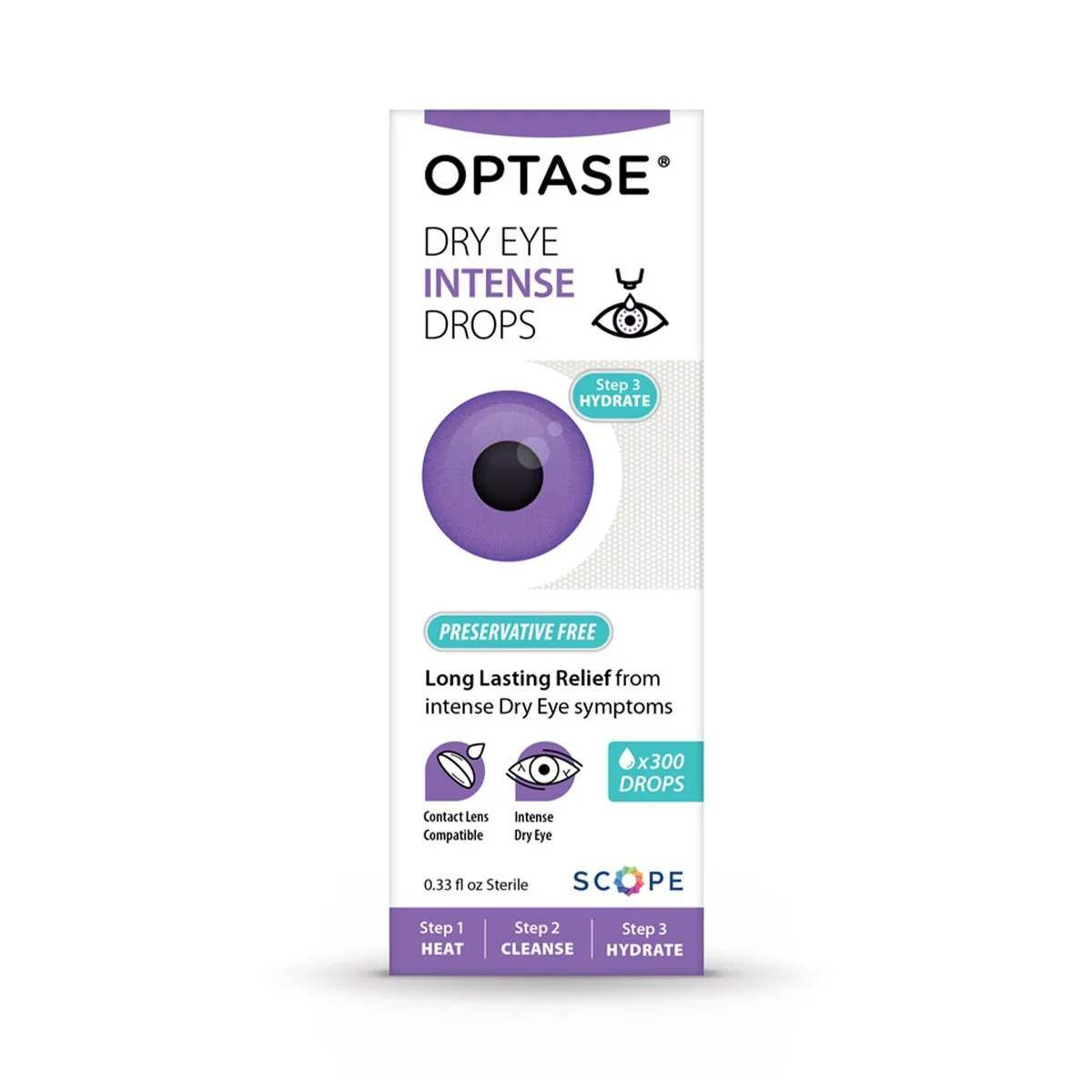
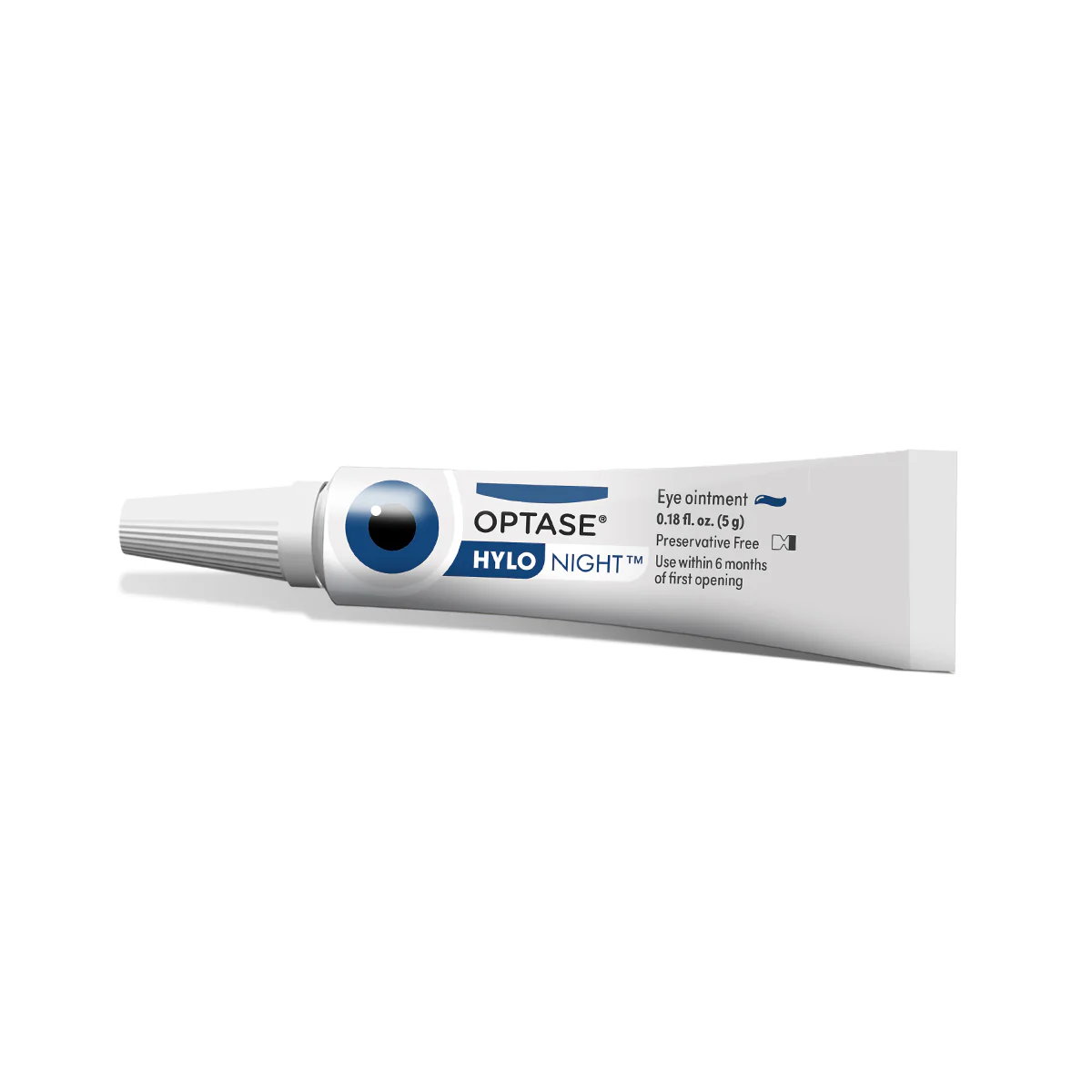
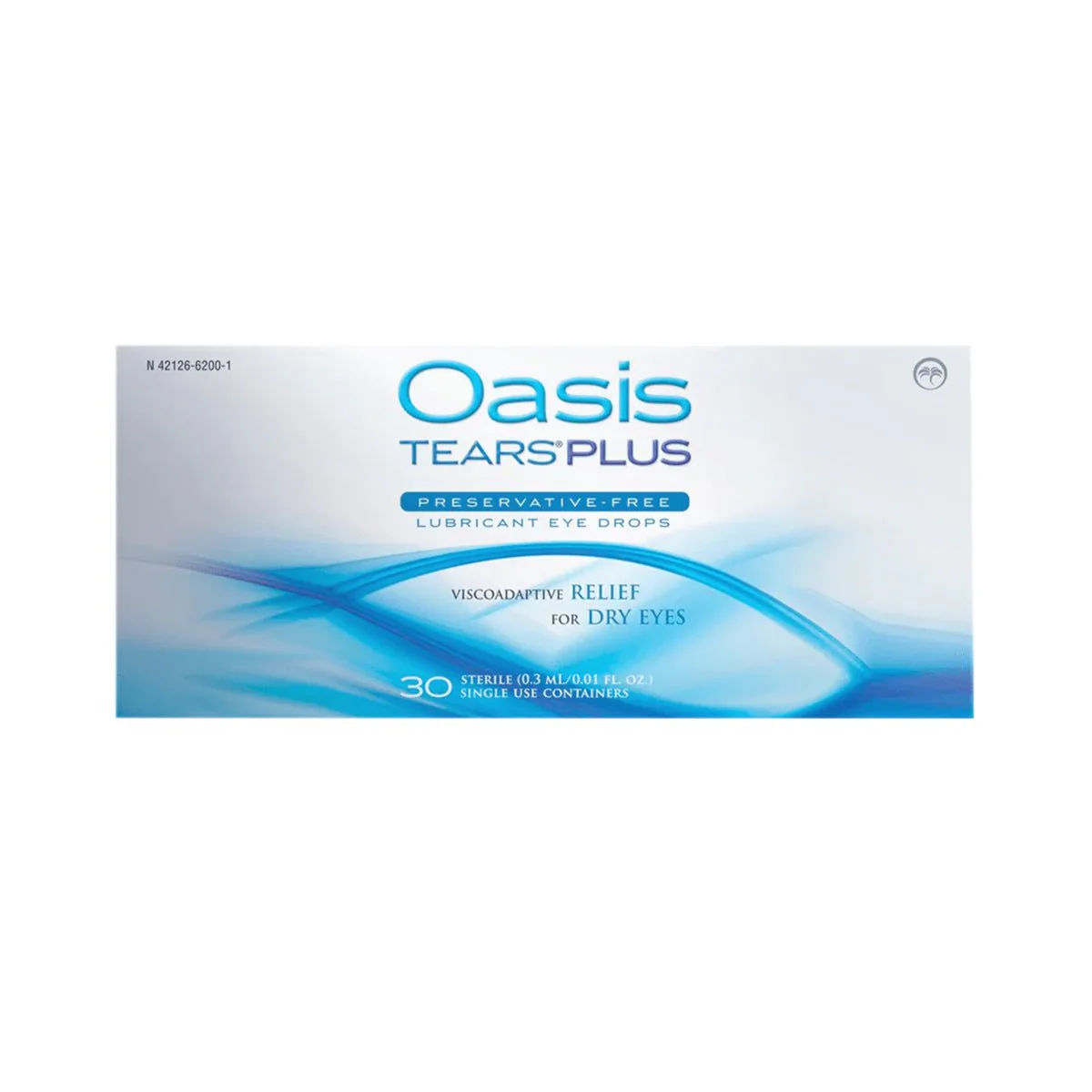
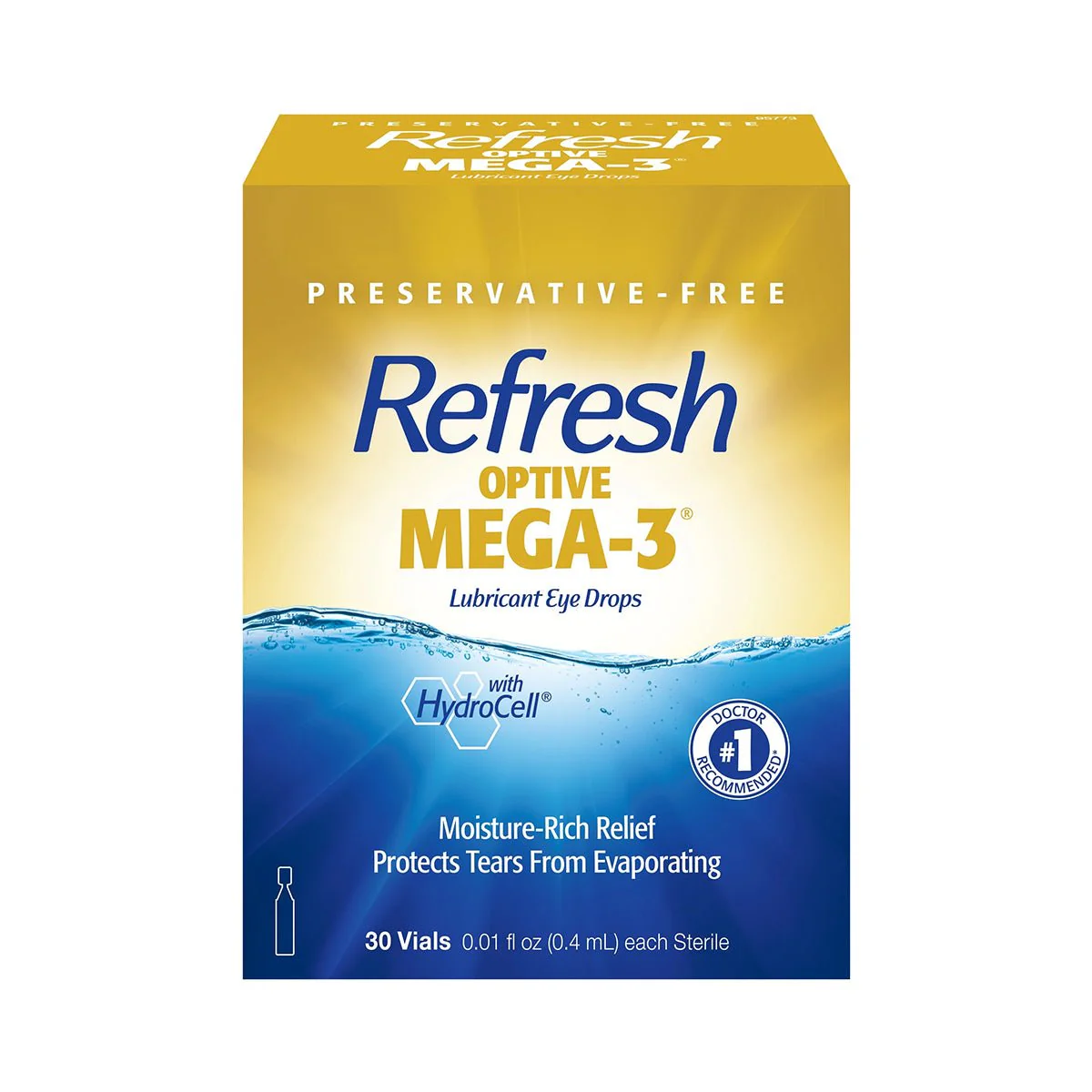
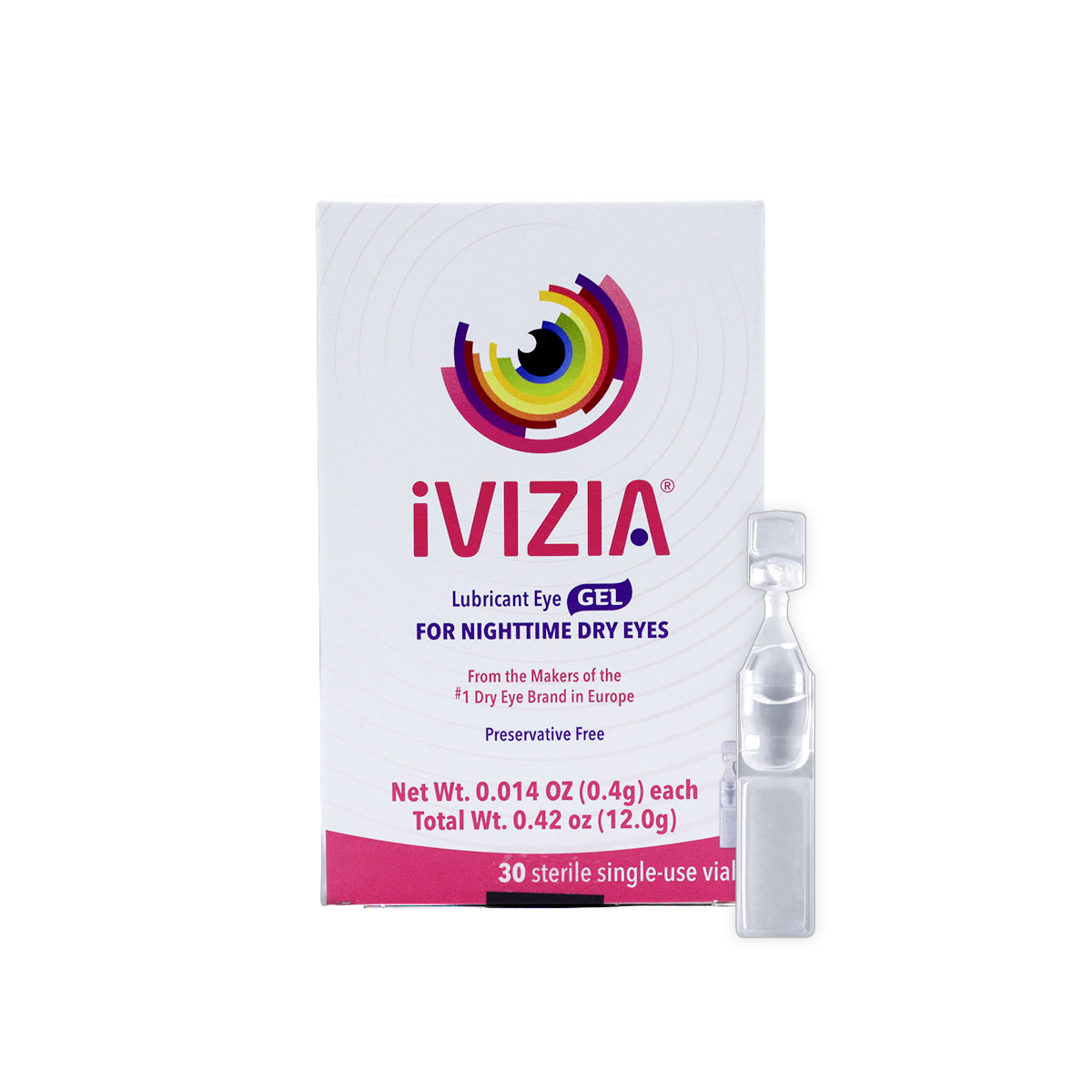
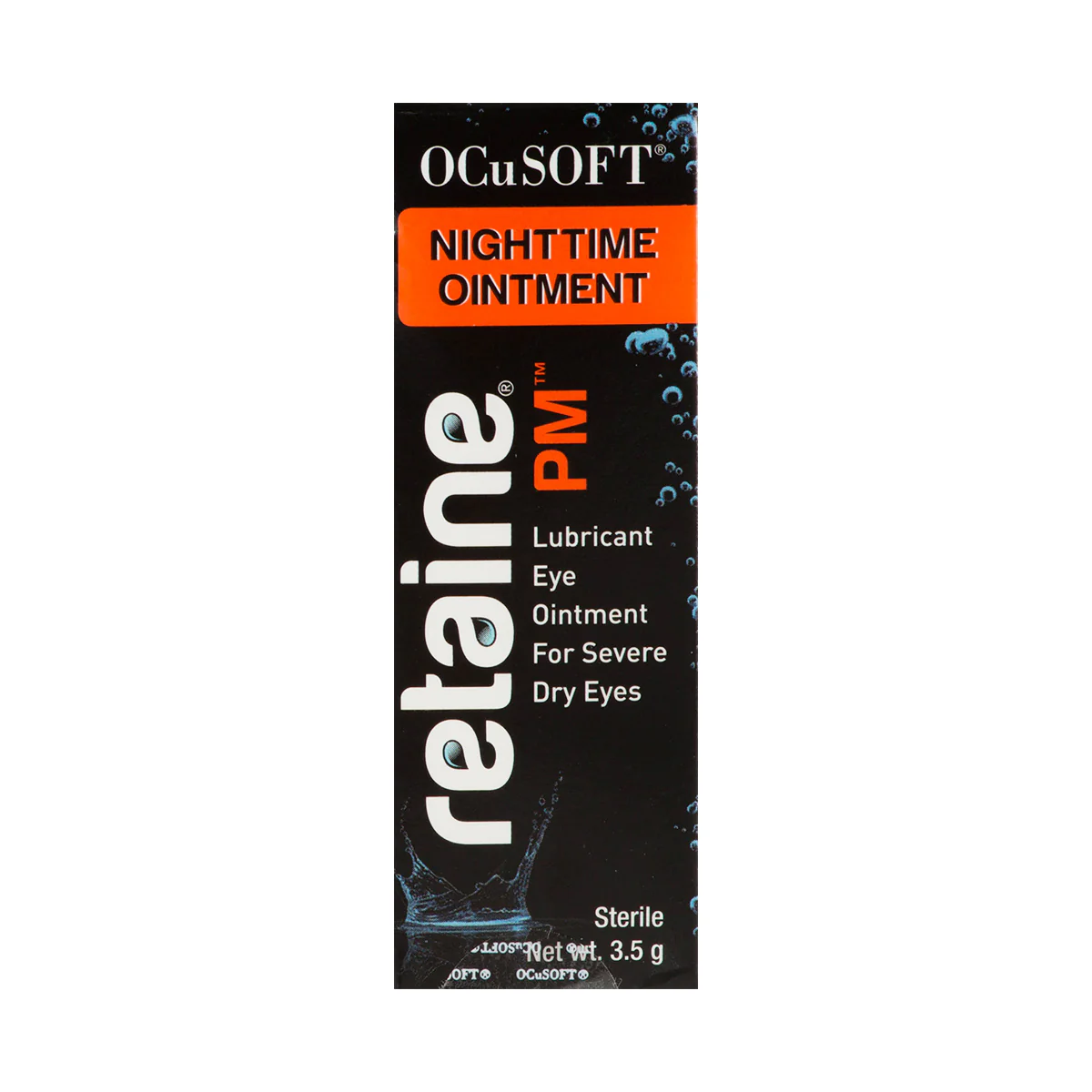
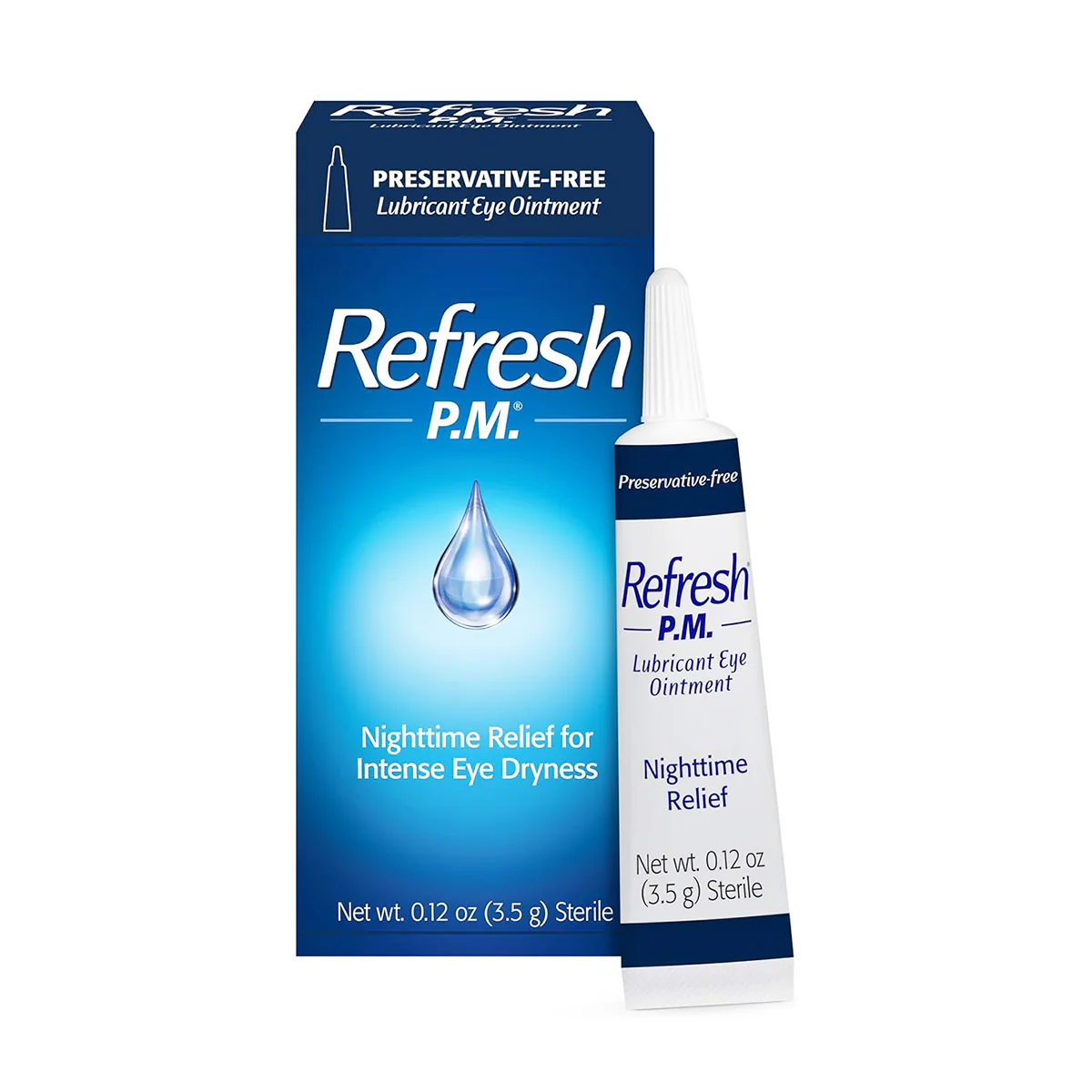
| Drops and lubricants | Protection: add to the tear film | Preserved vs. preservative-free; aqueous vs. lipid; novel mechanism; daytime drop vs. nighttime gel or ointment | Long-term and contact lens users (preservative-free), evaporative and MGD (lipid), overnight exposure (gel or ointment) | Aqueous and HA: Optase Intense, Oasis Tears. Lipid: Refresh Optive Mega-3. Novel mechanism: iVIZIA. Nighttime: Optase Hylo Night, Refresh PM, Retaine PM |
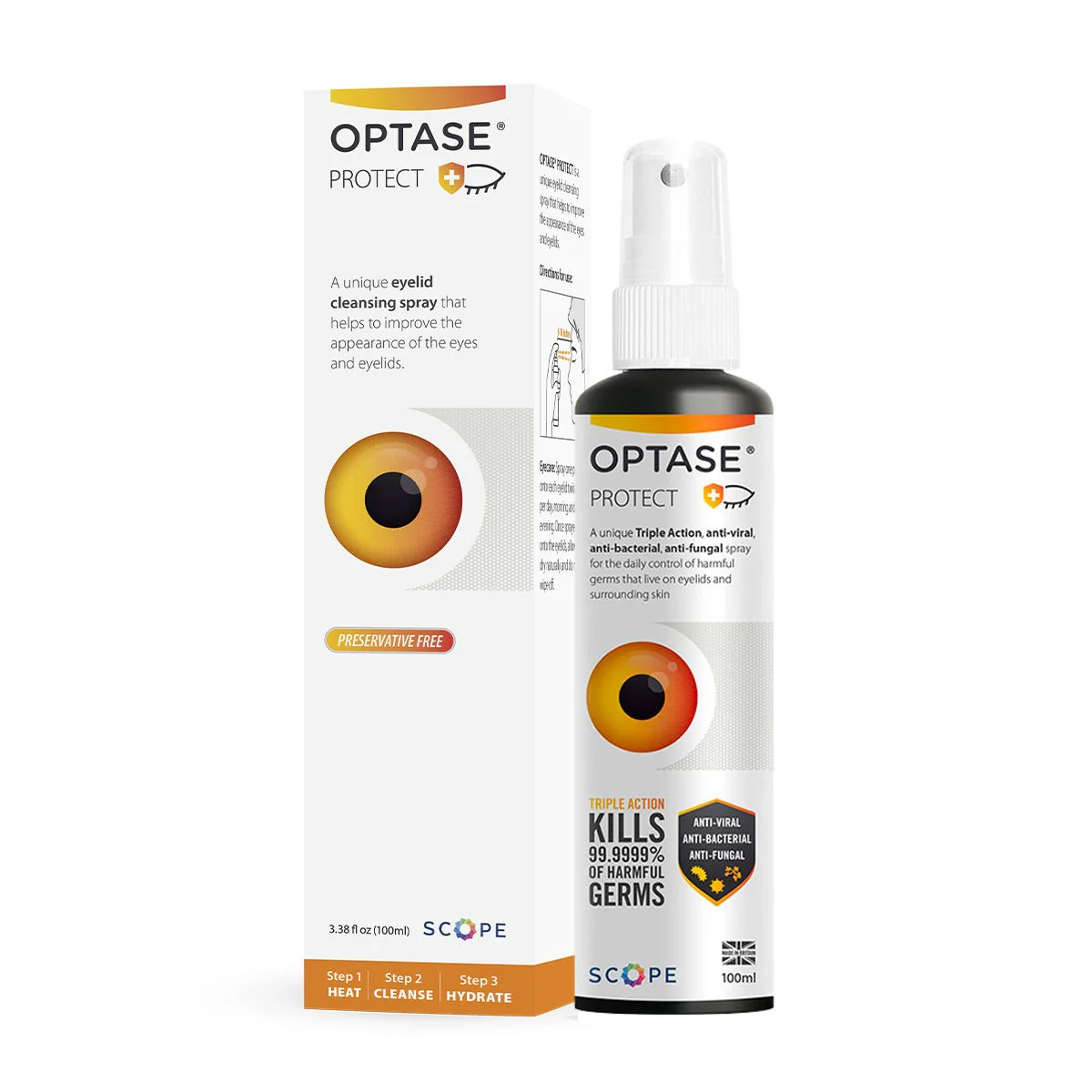
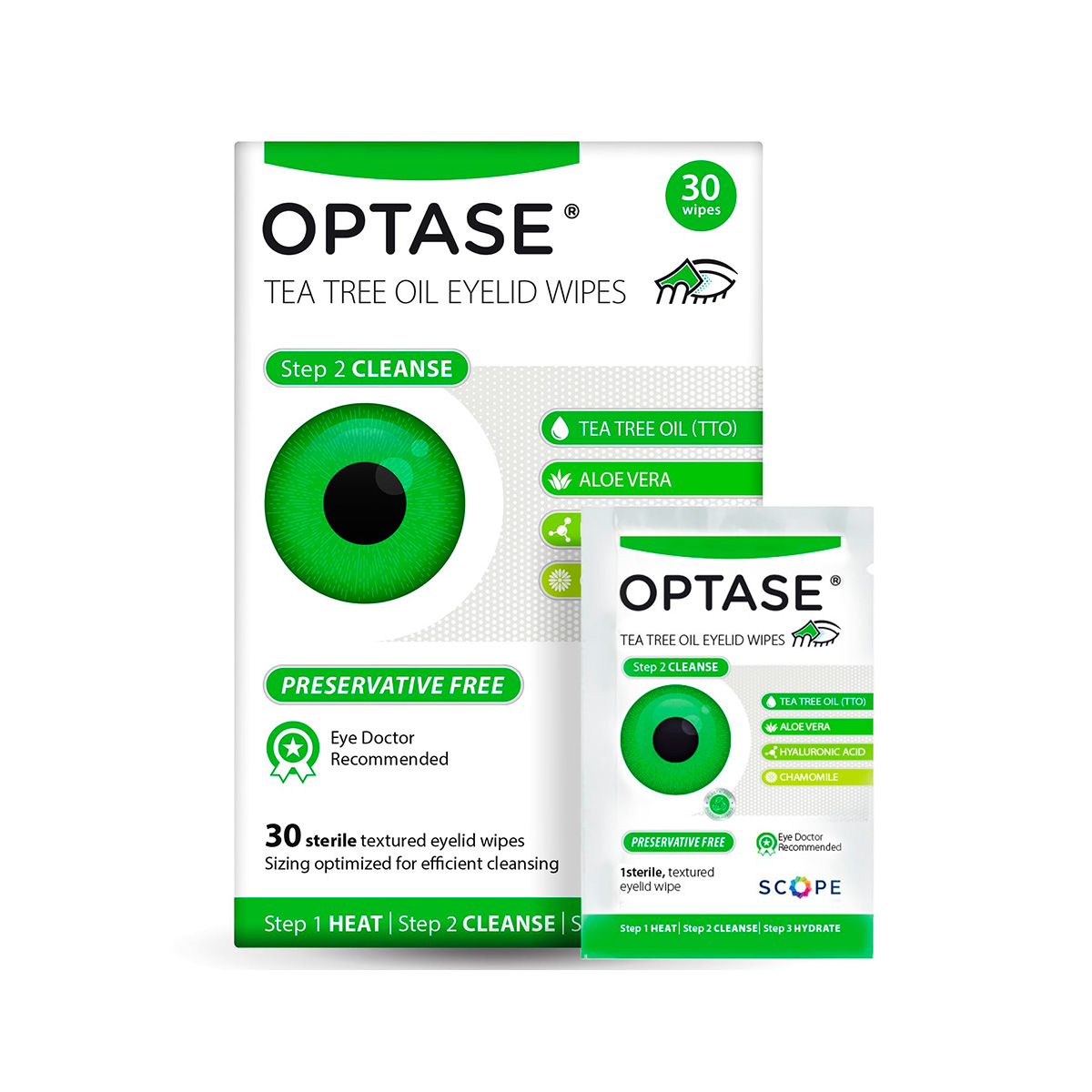
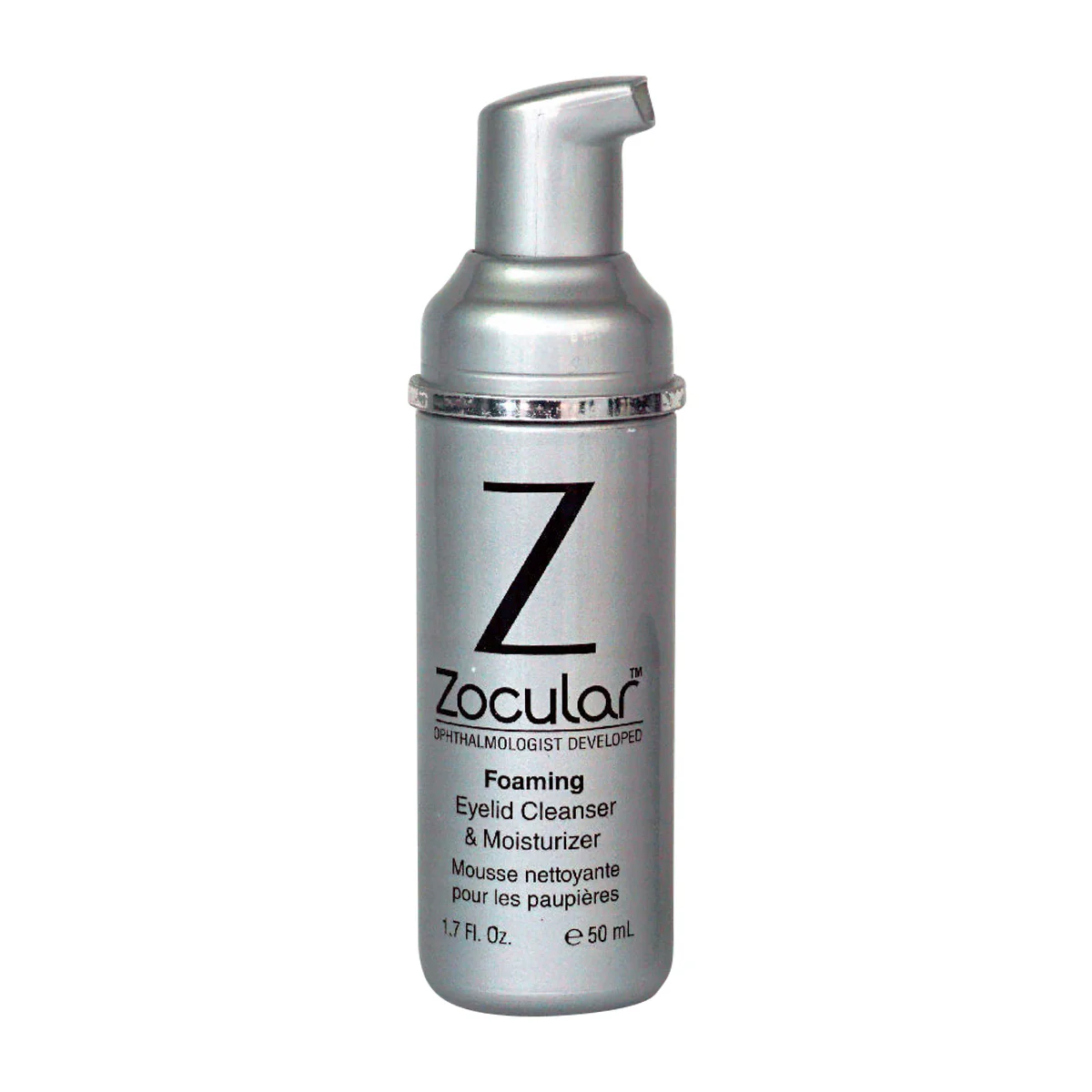
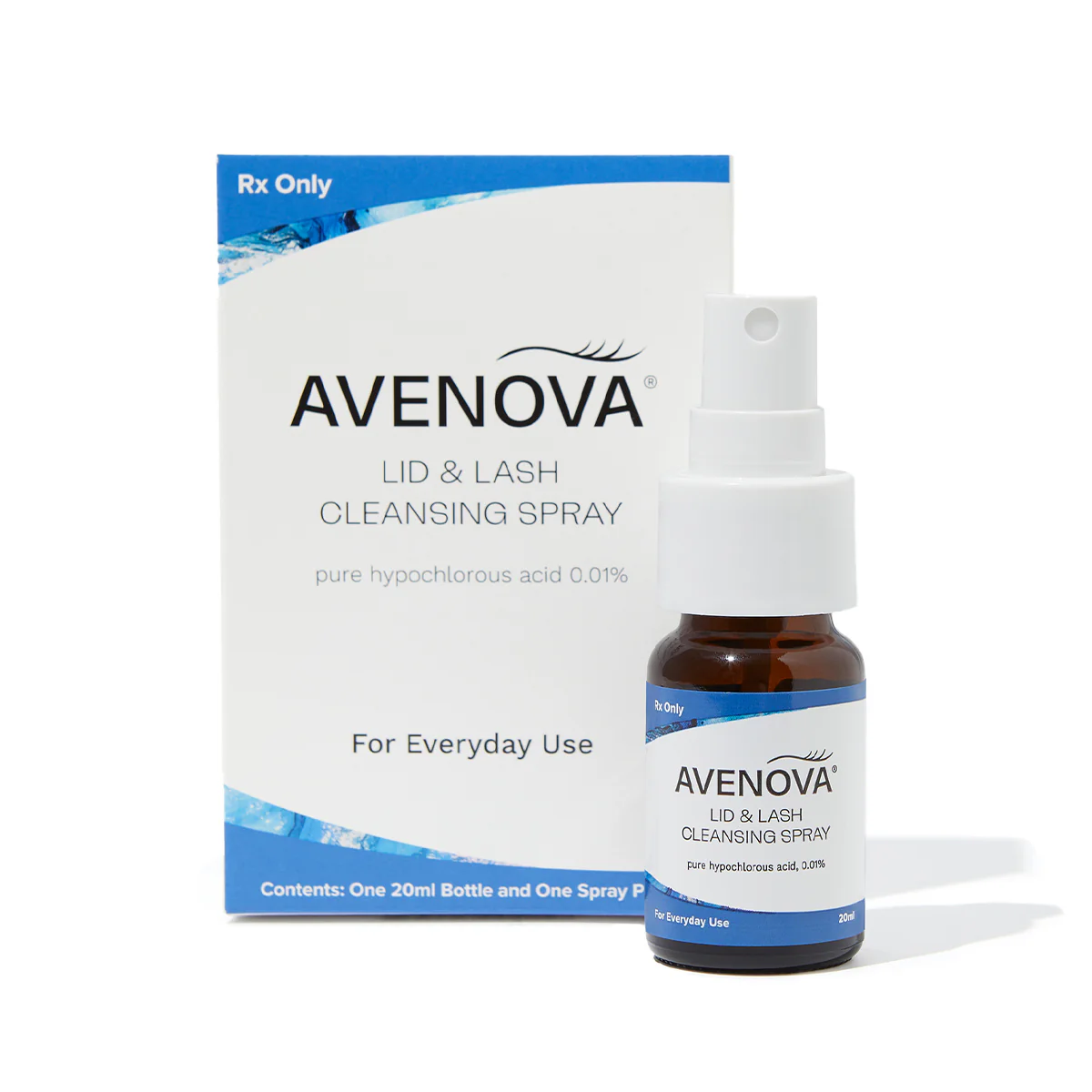
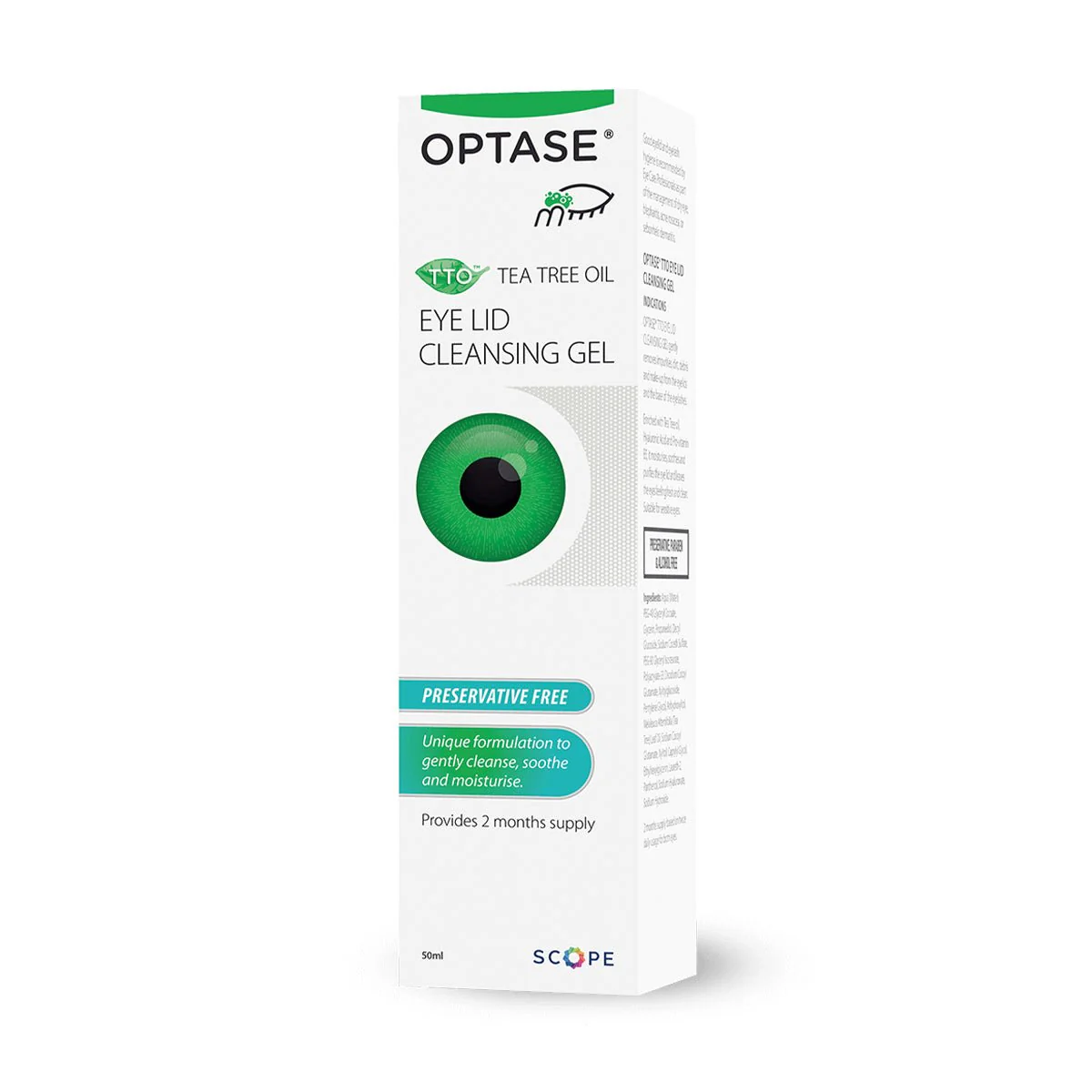
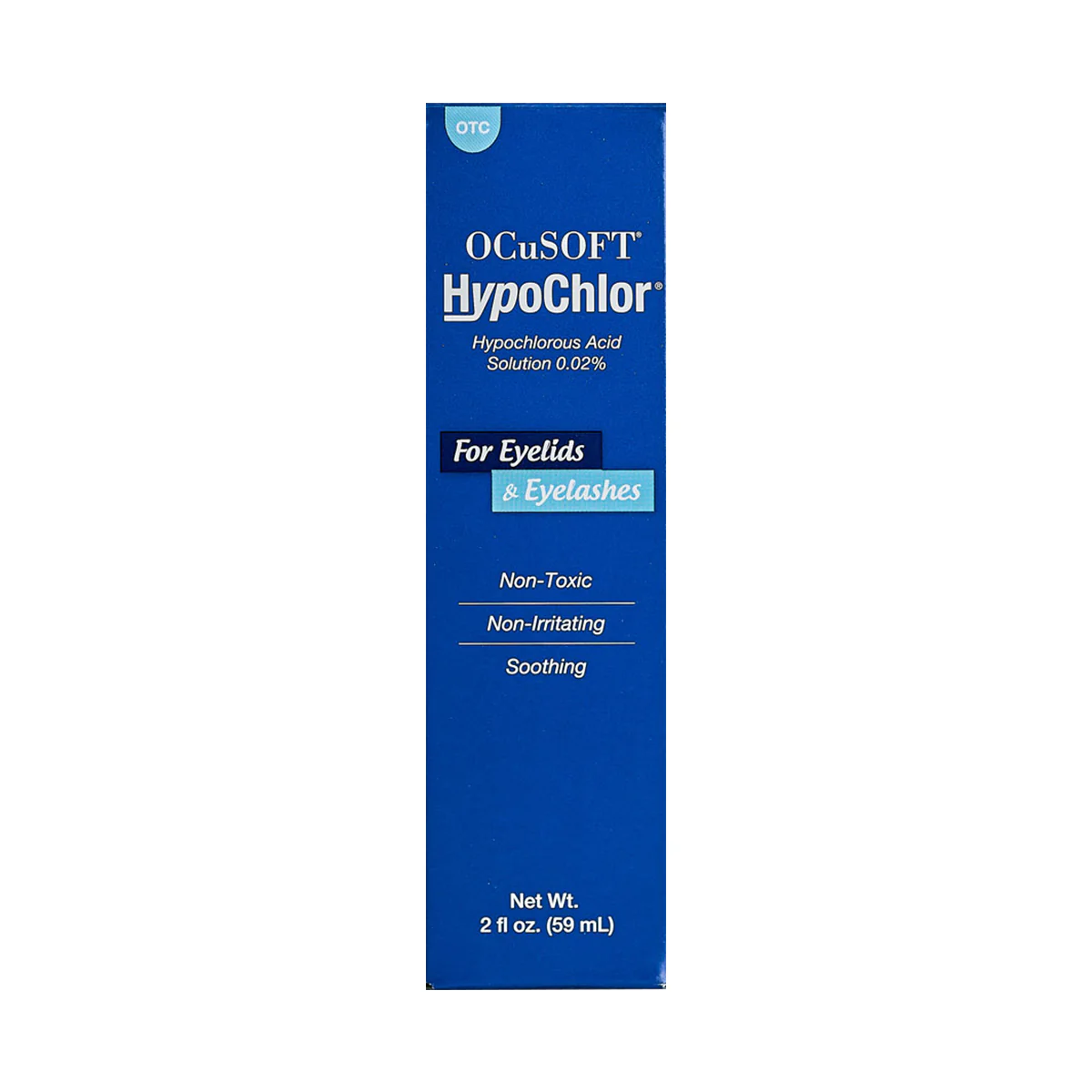
| Lid hygiene and cleansers | Obstruction at the lid margin, Inflammation | Hypochlorous acid, tea tree or surfactant; spray, wipe, gel or foam | Blepharitis, Demodex, eye makeup wearers | Hypochlorous acid: Optase Protect, Avenova, OCuSOFT HypoChlor. Tea tree: Optase Tea Tree wipes and gel. Okra complex: ZocuFoam |
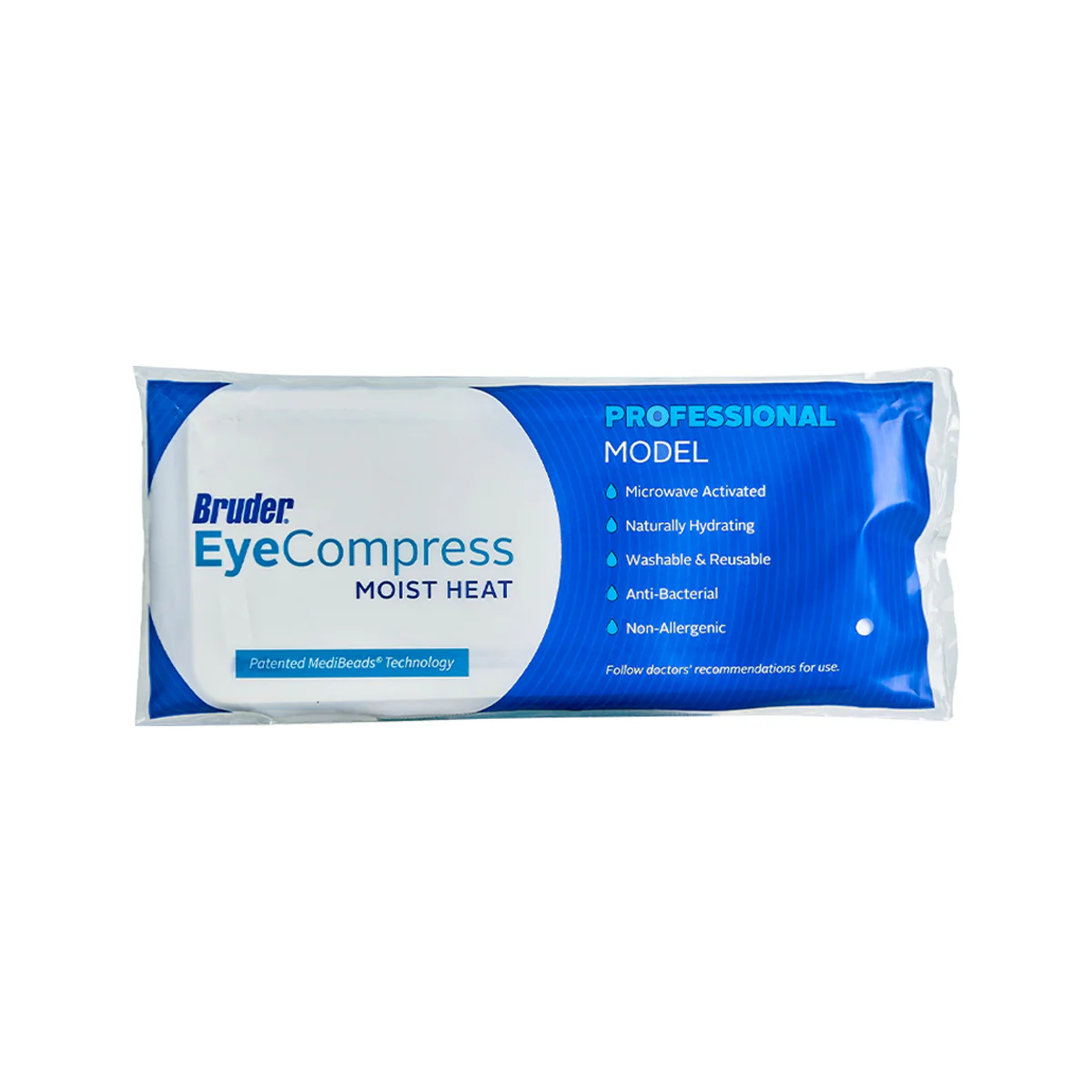
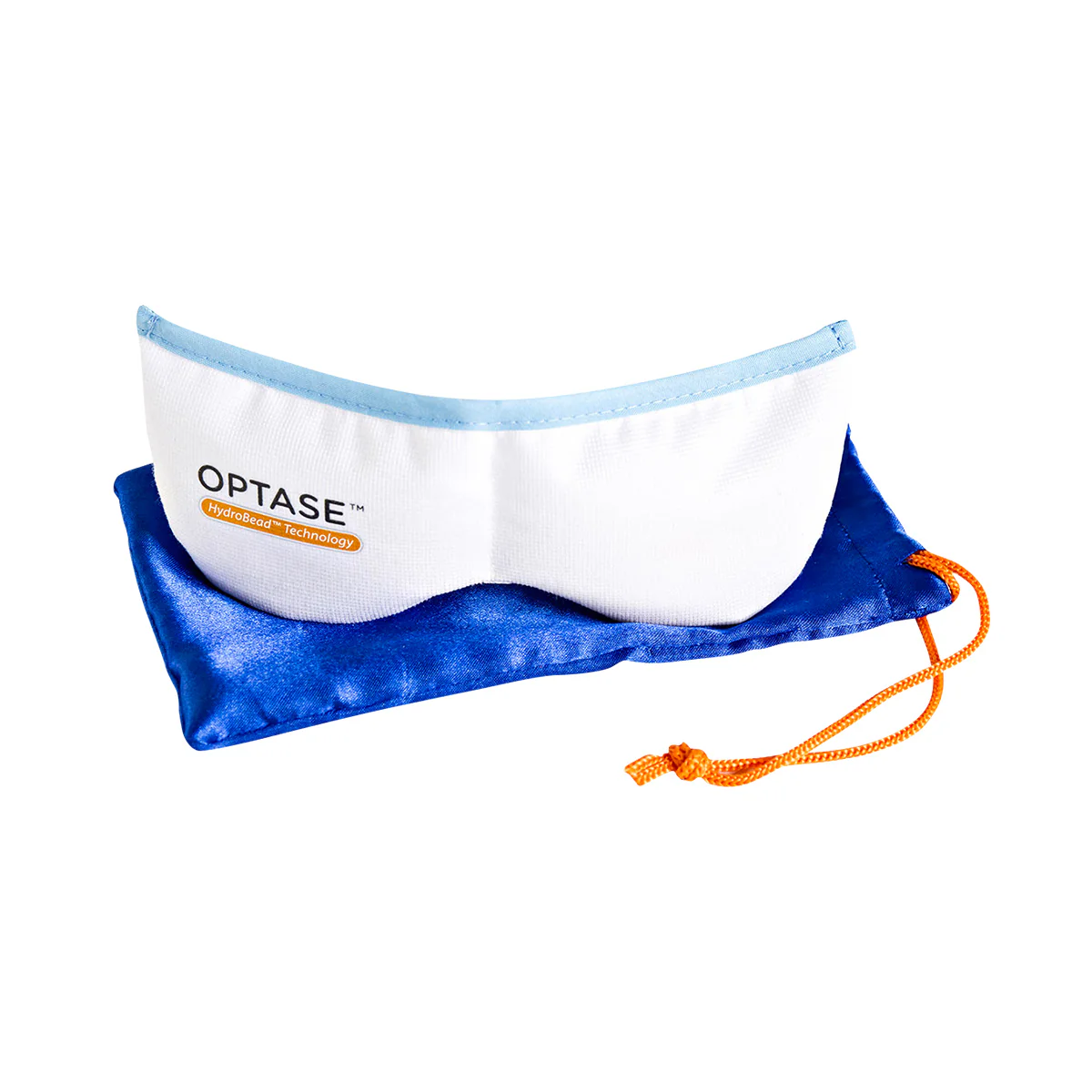
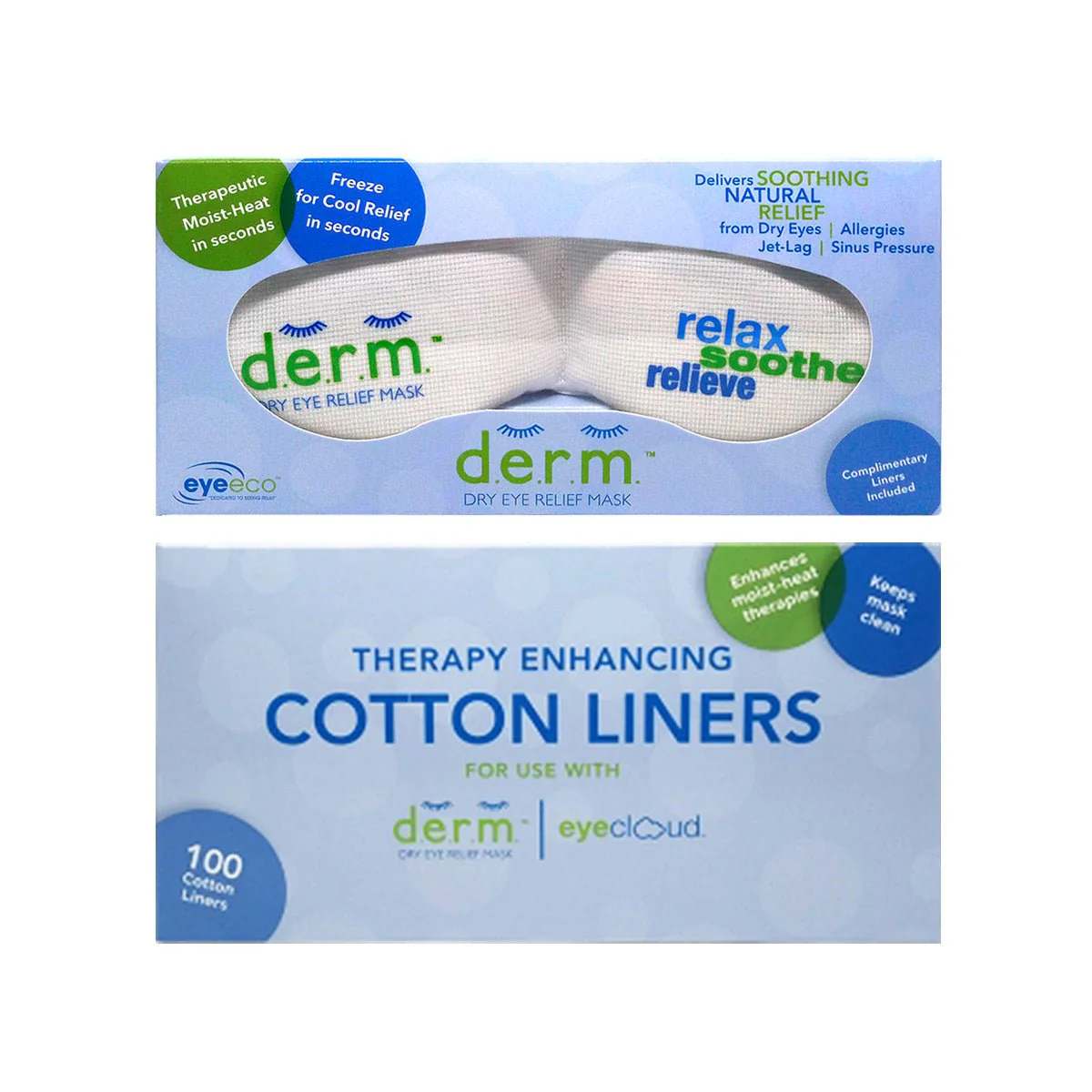
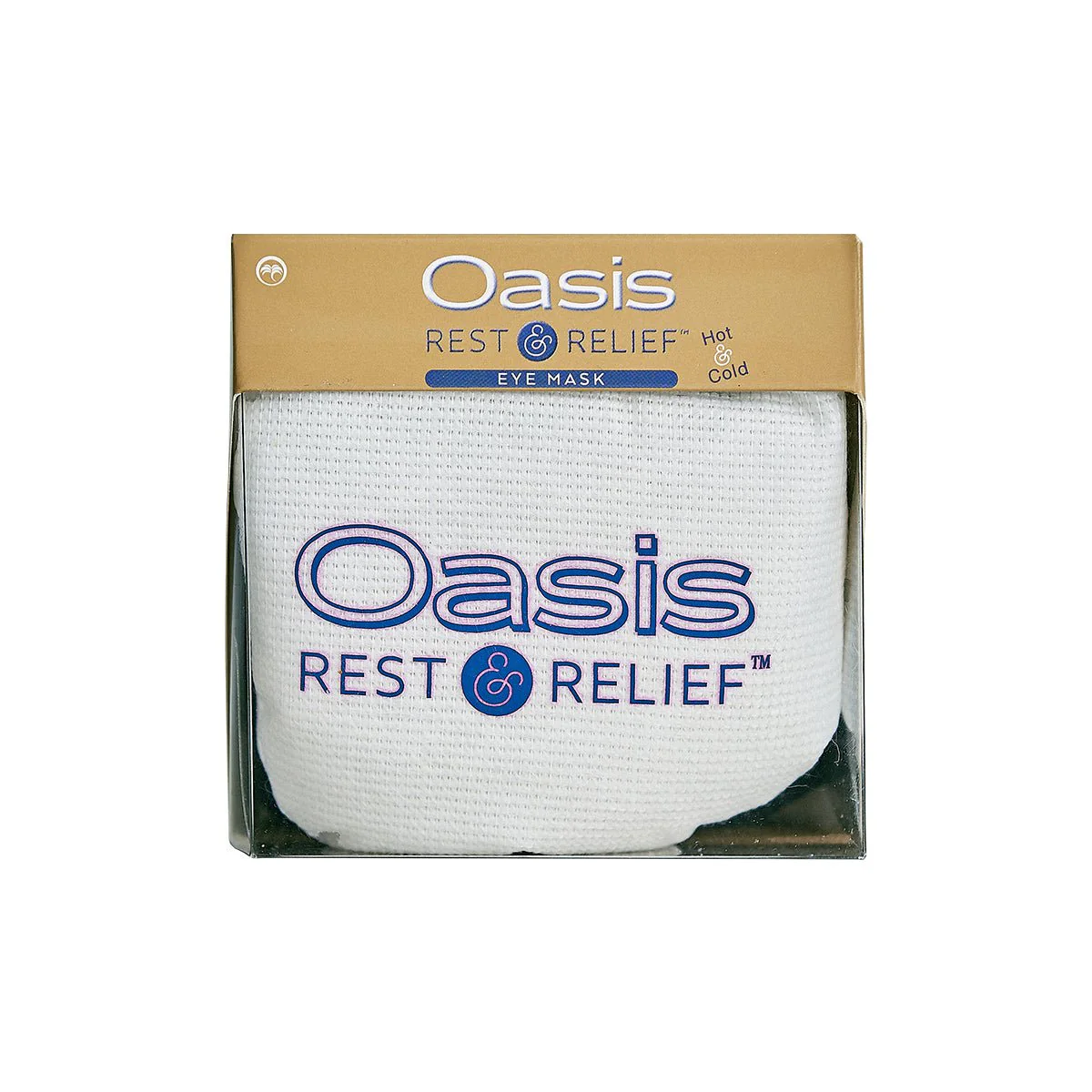
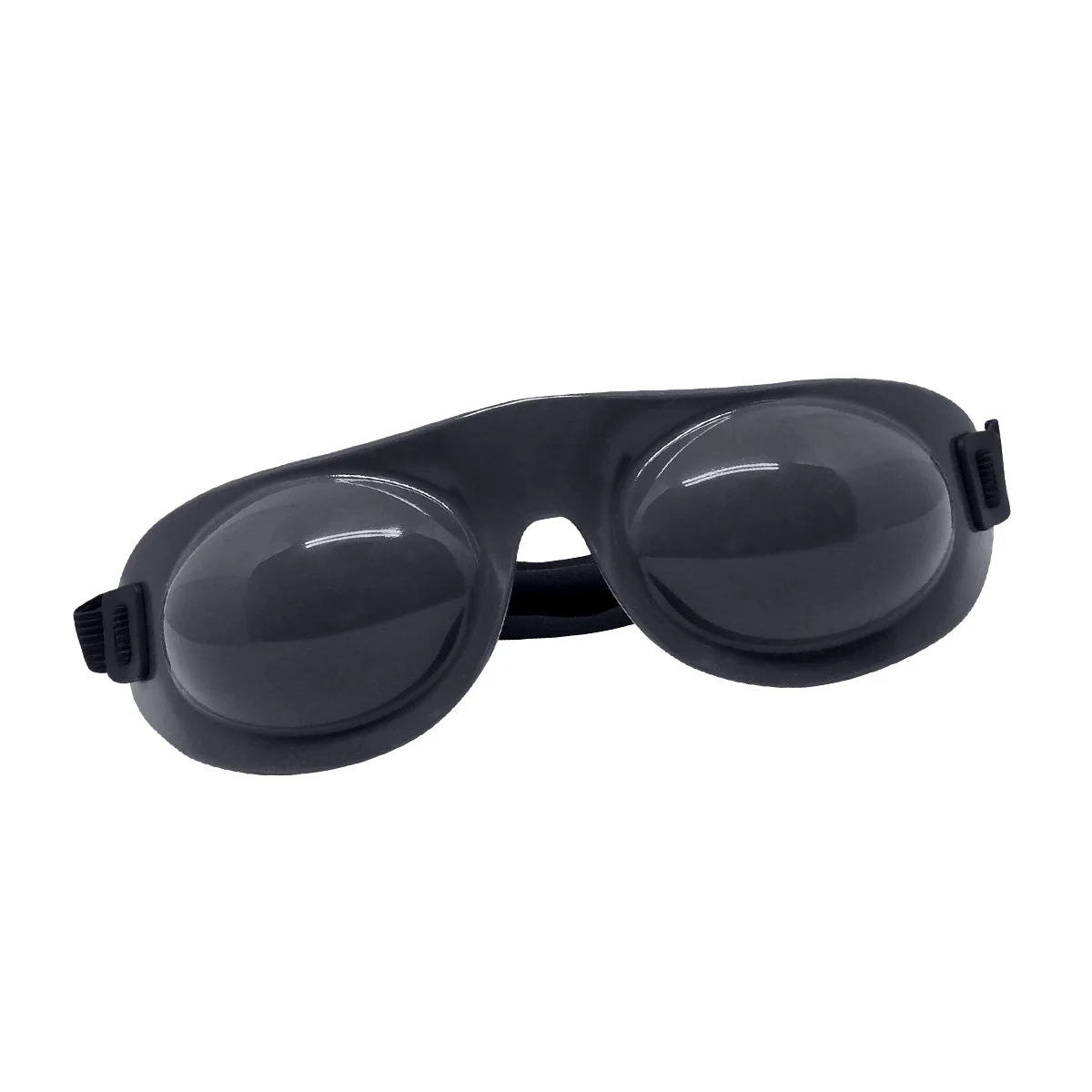
| Masks | Obstruction (heat), Inflammation (cold), Protection (sleep) | Heat that is reusable, disposable or USB-powered; moist heat for the glands, or a moisture chamber while sleeping | MGD (heat), allergy and puffiness (cold), overnight exposure and CPAP (sleep) | Heat: Bruder, Optase, TearRestore. Overnight: EyeEco Eyeseals |
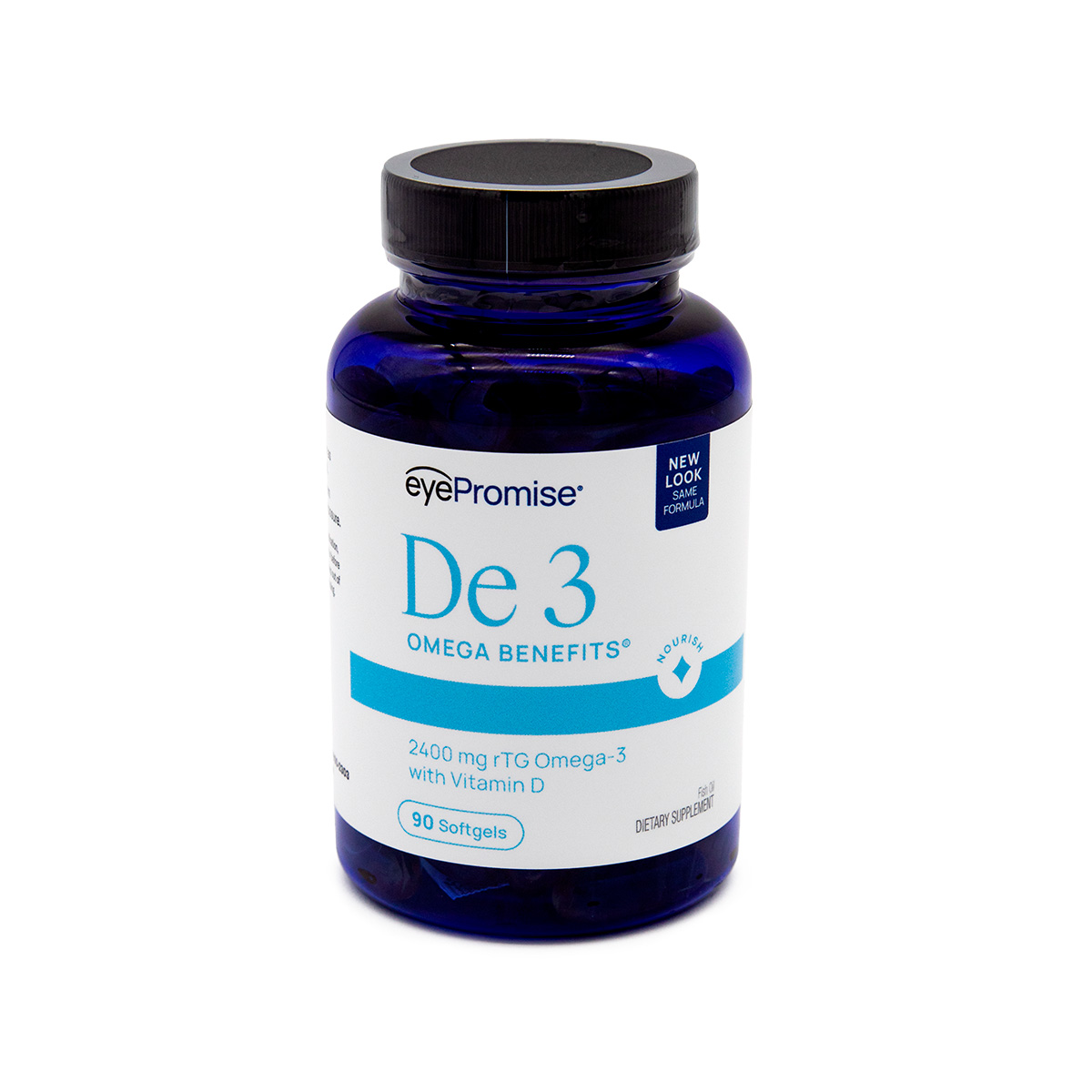
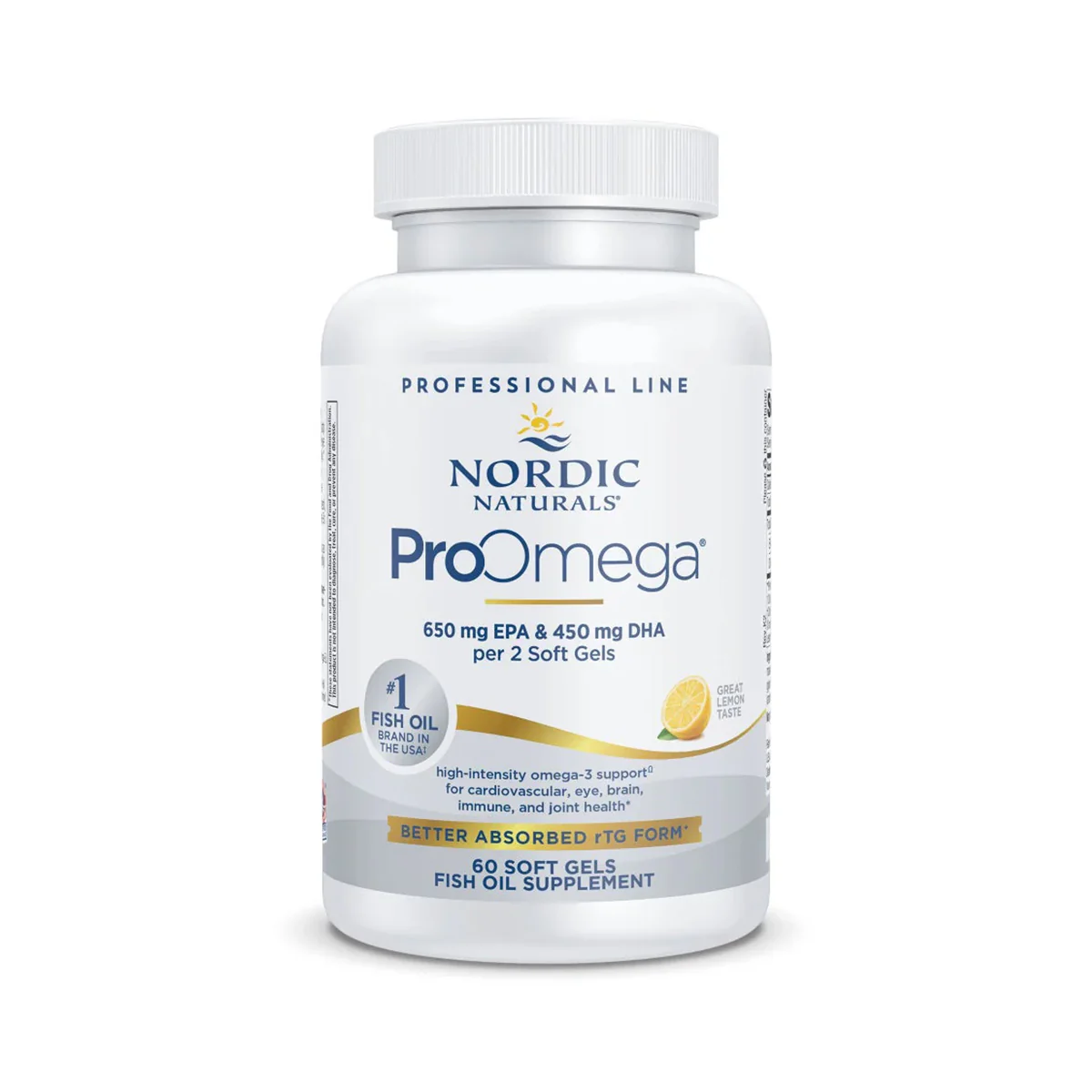
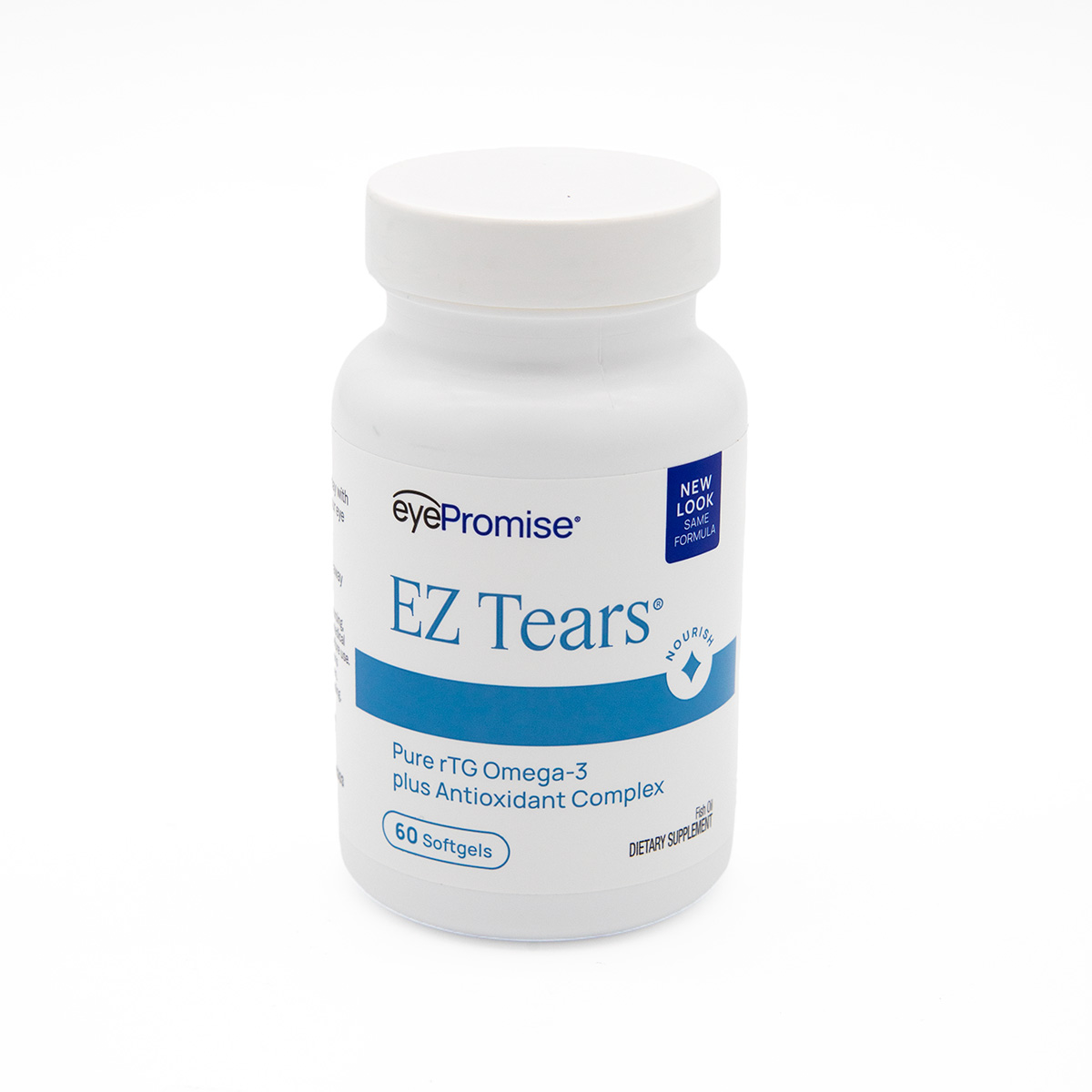
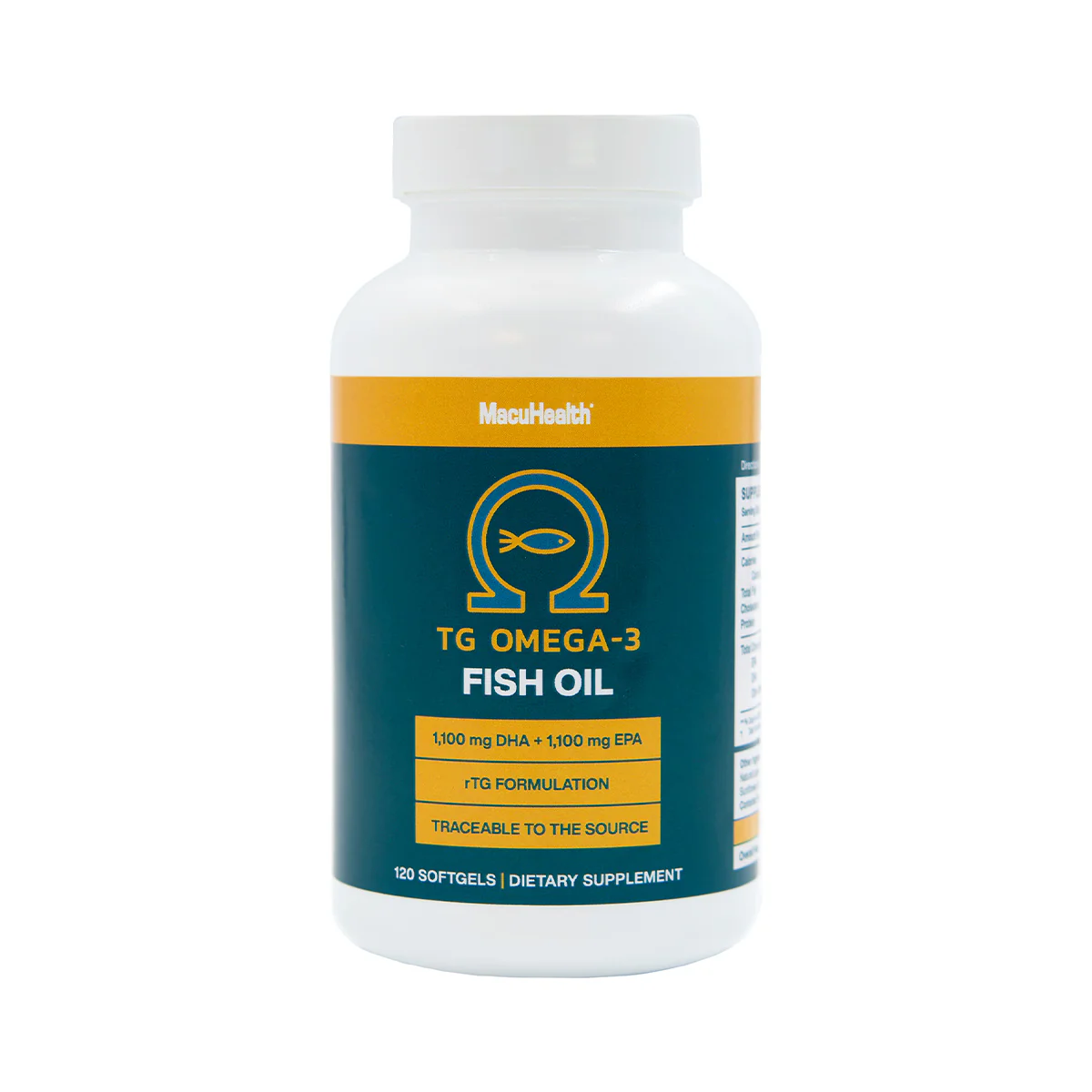
| Nutraceuticals and omegas | Production, Inflammation | Amount of EPA and DHA and the form it comes in (triglyceride, re-esterified triglyceride or ethyl ester), plus any GLA or carotenoids | Patients who take them consistently; MGD and meibum quality | MacuHealth TG Omega, PRN De3, EyePromise EZ Tears, Nordic Naturals |
Shop each category, most reordered first.
Each row is ordered by units sold, so the products practices come back for appear first.
Daytime drops and lubricants
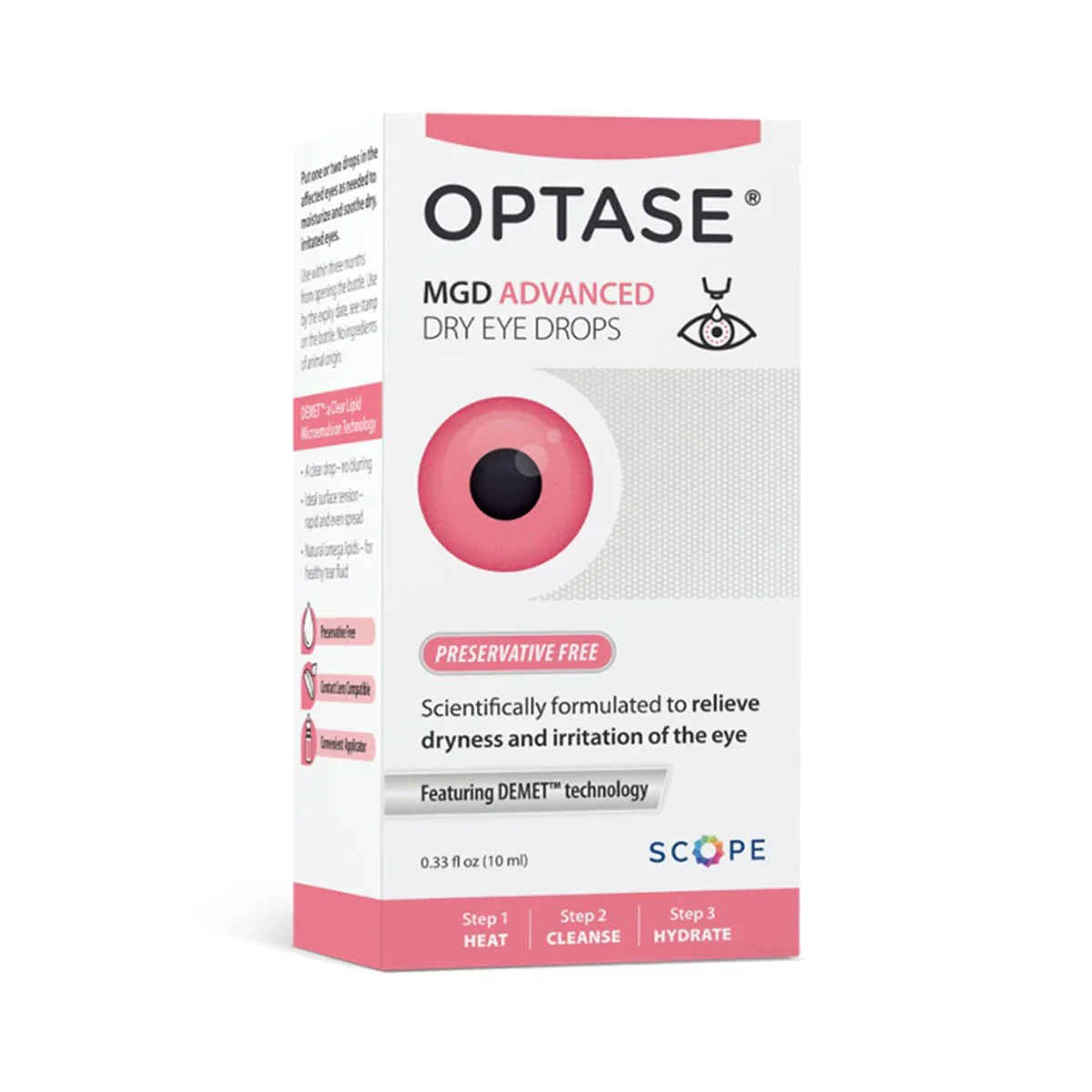
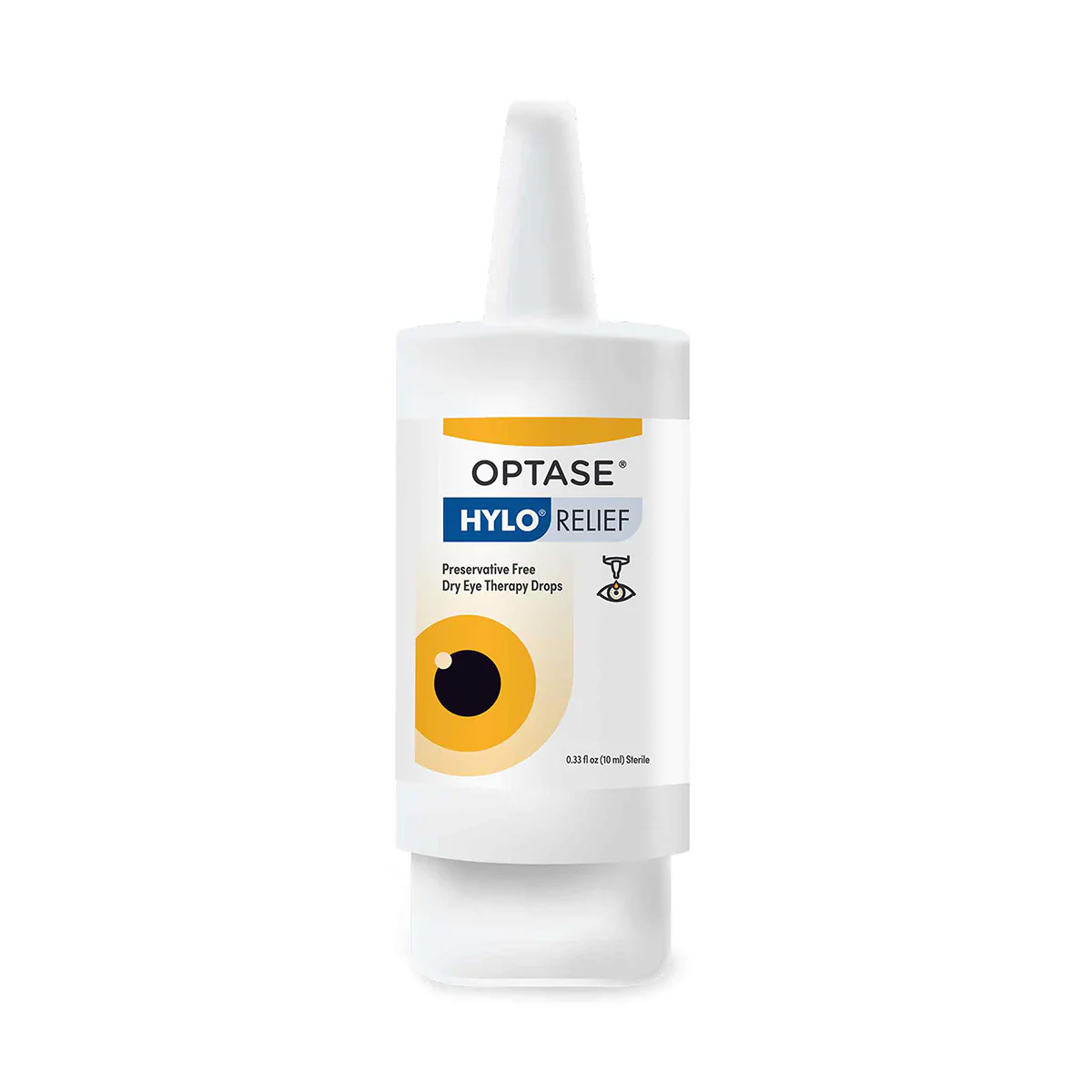
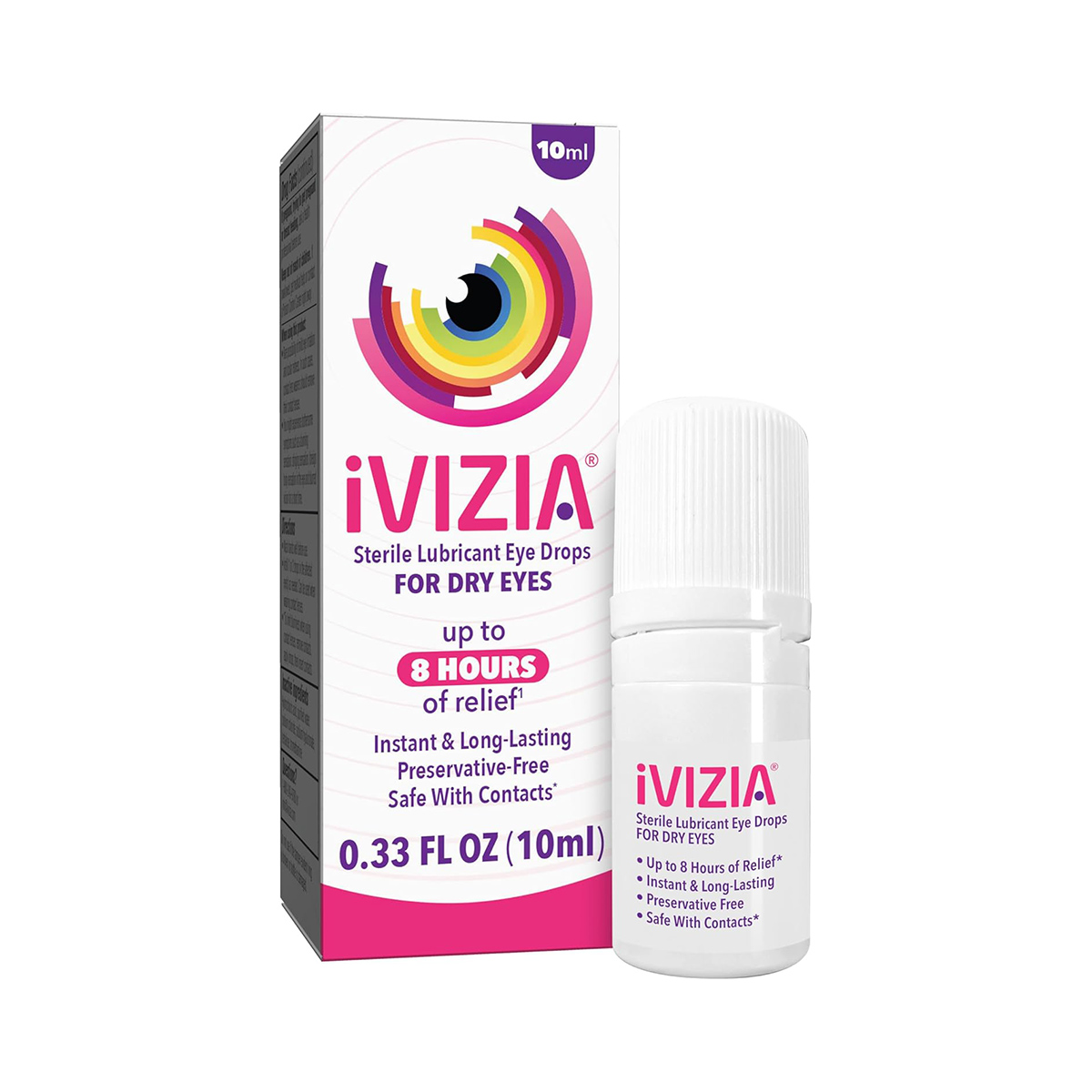
Preservative-free formulas for long-term use and contact lens wearers lead this shelf.
Nighttime gels and ointments
Thicker gels and ointments meant for protection while the patient sleeps.
Lid hygiene and cleansers
Reach for hypochlorous acid for everyday lid and lash cleansing, and for tea tree when Demodex is the concern.
Heat, cold and sleep masks
Moist heat is designed to support the glands, while moisture chambers help shield the eye overnight.
Omegas and nutritional support
Omegas reward patients who take them every day for several weeks.
Patient types
Fit the product to the patient.
After you confirm the driver at the chair, use this table to choose a category and decide which maintenance products to send through RescueLink.
| Patient type | Confirm with | Start with | Send through RescueLink |
|---|---|---|---|
| Evaporative and MGD | Meibography, expression, short TBUT | In-office heat and expression; lipid drop, lid hygiene, omega | Premium omegas, heat masks and sleep masks on auto-ship |
| Aqueous-deficient | Low Schirmer score, low tear meniscus | HA or aqueous drop; consider punctal occlusion; gel at night | HA drops, overnight ointment |
| Inflammatory | InflammaDry MMP-9, osmolarity | Hypochlorous acid and lid hygiene; consider an Rx anti-inflammatory | Hypochlorous spray, lid hygiene on auto-ship |
| Demodex and anterior blepharitis | Collarettes at the lash base | Tea tree cleansing at home, ZEST in the office; Rx when needed | Tea tree wipes and foam, manuka products |
| Contact lens wearers | Dryness late in the day, lens intolerance | Preservative-free, lens-compatible drops; lipid drop if evaporative | Preservative-free and lens-friendly drops |
| Overnight exposure and CPAP | Inferior staining, lagophthalmos | Ointment at bedtime, a sleep or moisture-chamber mask, a lid closure device | Sleep masks, moisture chamber eyewear, overnight kits |
| After LASIK or cataract surgery | Recent surgery, neurotrophic signs | Preservative-free drops and omega; prepare the surface before surgery | Preservative-free drops on auto-ship |
| Allergy overlap | Itching, papillae, seasonal pattern | Antihistamine drop, cold mask, hypochlorous acid; also treat the underlying surface disease | Cold masks, antihistamine drops |
These groupings come from product labeling, category guidance and the experience of practicing eye doctors. Specific claims carry a citation; the rest is practical guidance on fit, not a literature review.
Newer products to know.
iVIZIA
Preservative-free drops with povidone 0.5%, plus sodium hyaluronate and trehalose among the inactive ingredients.
Shop ›Optase Intense and Hylo Night
Intense is a preservative-free glycerin 0.2% drop with sodium hyaluronate, 300 drops per bottle, good for 3 months after opening. Hylo Night is a preservative-free ointment with vitamin A, good for 6 months after opening.
Shop ›Refresh Relieva PF Xtra
Preservative-free drops with carboxymethylcellulose 0.5% and glycerin 0.9%, plus trehalose and sodium hyaluronate.
Shop ›Blink NutriTears
A daily softgel combining lutein, zeaxanthin, curcumin and vitamin D, taken by mouth alongside or instead of an omega.
Shop ›NuLids
A powered device for at-home eyelid hygiene, used for one minute each day.
Shop ›Zocular ZEST and ZocuFoam
Okra-complex lid cleansing, with ZEST done in the office and ZocuFoam used at home.
Shop ›TearRestore
An open-eye heat mask; the bundle adds reusable heat packs and a collapsible kettle for reheating them.
Shop ›Cosmetics for sensitive eyes
Patients who wear eye makeup can switch to lines made for sensitive eyes, including Eyes Are the Story and Twenty Twenty.
Shop ›Beyond the OTC shelf
Prescription and in-office options.
Doctors often ask about these. The Prescription and In-Office guides cover each in detail.
In-depth guides.
One guide for each category, plus guides on building protocols, in-office supplies and prescription care.
Eye Drops and Lubricants
How drops differ on preservatives, lipids, mechanism and nighttime format, and which patient each one fits.
Read the guide ›Lid Hygiene Products
Hypochlorous acid, tea tree and surfactant cleansers, in sprays, wipes and foams.
Read the guide ›Heat Masks and MGD Support
Reusable, disposable and USB heat masks, plus moisture-chamber masks for sleep.
Read the guide ›Omega and Nutritional Support
EPA, DHA, GLA and carotenoids by dose and form, and what practices are seeing with them.
Read the guide ›AMD and Macular Support
How AREDS2 formulas and the macular carotenoids (lutein, zeaxanthin, meso-zeaxanthin) fit your shelf.
Read the guide ›Beauty and Sensitive Eyes
How makeup affects the ocular surface, and which beauty products are made for sensitive eyes.
Read the guide ›Shop by Ingredient and Mechanism
Products grouped by what is in them: preservative-free, HA, omega-3, hypochlorous acid, tea tree, manuka, okra and carotenoids.
Read the guide ›Product Comparisons
Look-alike products compared by clinical situation instead of a best-of ranking.
Read the guide ›How to Build a Product Protocol
Turn exam findings into a home regimen, layered by mechanism and set up to reorder.
Read the guide ›In-Office Products and Consumables
Point-of-care tests, expression tools, plugs and the other disposables a dry eye service uses.
Read the guide ›Procedures and Equipment
Every in-office device and procedure, with the tests that go with it.
Read the guide ›Prescription and Advanced Care
Where prescription therapy fits and the OTC products that support it.
Read the guide ›Clinical pearlMost patients have more than one driver and lean evaporative. A lipid or novel-mechanism drop, lid hygiene and a heat mask, with an omega for meibum quality, is a common combination. Preservative-free suits long-term and contact lens use. When two products look the same, the difference is usually the preservative, the lipid or the format.
Run it as a service
The Practice Playbook.
The products only pay off inside a routine. These guides cover the workflow, staffing, stocking, reorders, reimbursement and economics of a dry eye service.
The Dry Eye Service Guide
The whole model on one page: one exam routine, one staff owner, two ways to get products to patients and growth paced by your own numbers.
Open the playbook ›Starting a Dry Eye Service
Launch on patients already booked this month, before any money goes into shelves or a device.
Read the guide ›The Dry Eye Exam Workflow
Screen, measure, decide and send, in the same order for every patient in the lane.
Read the guide ›Your Dry Eye Staff Lead
One accountable team member who runs the routine, watches stock and follows up.
Read the guide ›Growing in Stages
Add testing and treatment capability step by step, never ahead of patient volume.
Read the guide ›Stock in Office or Ship to the Patient
Hold what sells today and ship the rest to the patient through RescueLink.
Read the guide ›Patient Auto-Reorder
Automatic refills that keep chronic patients on their routine and on your books.
Read the guide ›Custom Patient Kits
Save your common routines as RescueLink bundles any team member can send in seconds.
Read the guide ›Procedure Economics and Reimbursement
Patient spend, practice share and the billing codes behind testing and in-office care.
Read the guide ›Service Economics Over Five Years
Why retained patients compound and what a dry eye service looks like by year five.
Read the guide ›Test and Restore Dry Eye Kit
Single-use MMP-9 testing and surface cleaning so patients leave with something done that day.
Read the guide ›Channels
Stock first, then extend your shelf.
Products you stock at wholesale earn the best margin and the highest capture. The patient leaves with the product, the sale stays with you instead of a big box store, and so does the relationship. RescueLink covers what you do not stock and handles chronic auto-ship.
| Layer | Why it works | What belongs here |
|---|---|---|
| Inventory (stocked at wholesale) | Best margin, the patient leaves with it, highest capture; keeps patients with your practice | Preservative-free drops, lid hygiene, hypochlorous spray, a starter heat mask, a starter omega, starter kits and your fast movers |
| RescueLink (extend the shelf) | No inventory for specialty and chronic items; auto-ship keeps patients compliant and the reorder with you | Lipid and HA drops, premium omegas, Demodex and tea tree products, overnight systems, moisture chamber eyewear, curated bundles |
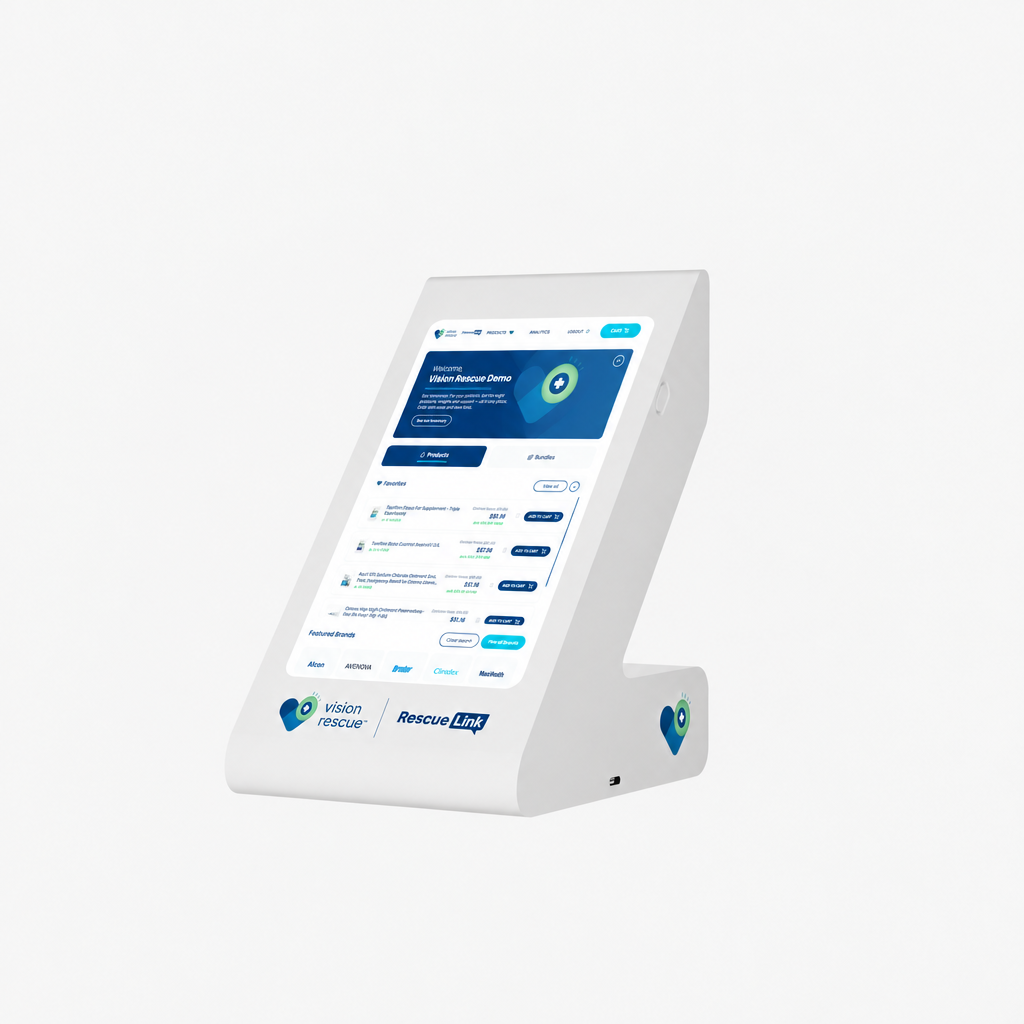
| In-office display (optional) | Builds awareness and volume in busier offices; not required | A self-serve display for practices that meet the minimums |

Recurring orders
Send products with RescueLink.
RescueLink texts or emails a personalized product recommendation to a patient in under 60 seconds, and the recommendation stays tied to your practice.
- Free for providers, with no setup fees, subscriptions or quotas
- One-tap ordering for patients
- Optional auto-ship for long-term maintenance
- Set up in minutes
Treatment paths
Beyond the shelf: the other dry eye treatment paths
Home care is the base layer at every severity, and many patients add one or more of the paths below. Vision Rescue does not rank these paths; the treating doctor and the patient choose based on severity, the main driver and the patient's circumstances.
Prescription therapy
Anti-inflammatory and tear-film drugs such as cyclosporine, lifitegrast and perfluorohexyloctane, varenicline nasal spray, lotilaner for Demodex and short steroid courses. Prescribed by ophthalmologists and optometrists within state scope.
Prescription options ›In-office procedures
Gland expression, thermal pulsation and lid-heating devices, intense pulsed light, light therapy and lid-margin cleaning. Offered in optometry and ophthalmology practices, often run by trained staff.
In-office procedures ›Punctal occlusion
Temporary or long-lasting plugs that keep the patient's own tears on the eye, and permanent closure by thermal cautery when plugs are not enough. Plugs placed by ODs and MDs where state scope allows; cautery closure is a surgical step, usually by an ophthalmologist.
Punctal plugs ›Advanced and surgical care
For severe disease: autologous serum drops, amniotic membrane, scleral lenses and eyelid surgery such as tarsorrhaphy. Often cornea and oculoplastic specialists, with the co-managing OD or MD.
Scleral lenses ›Sources: TFOS DEWS III Management and Therapy (2025) · AAO Dry Eye Syndrome PPP (2023)
Manufacturers
Companies named on this page
Logos link to each company's website and appear in alphabetical order, at the same size, for identification only.




Questions doctors ask about dry eye products
How do I narrow down so many products?
Sort by job. Every product addresses Inflammation, Obstruction, Production or Protection, so choose one category for each driver and then fit the formula to the patient.
Lipid drop or aqueous drop?
Lipid and emulsion drops tend to fit the evaporative and MGD patients who make up most of the dry eye population, while aqueous and HA drops fit aqueous deficiency and general dryness. Many patients use one in the morning and the other later in the day.
Hypochlorous acid or tea tree?
Hypochlorous acid is a good everyday lid and lash cleanser, and tea tree is the usual pick when Demodex is the concern. Research has identified terpinen-4-ol as the component of tea tree oil most active against Demodex mites.
Which kind of mask?
Reusable bead masks fit MGD heat and gland expression, disposables are handy for trials and travel, and sleep or moisture-chamber masks are made for overnight exposure and CPAP users.
Do omegas help, and which form is best?
In practice, omegas work as support rather than a standalone treatment. They can help some patients, particularly with MGD and meibum quality, but usually only after several weeks of daily use. One controlled study found higher short-term EPA and DHA bioavailability from re-esterified triglyceride (rTG) than from natural triglyceride or ethyl ester forms. Taking them with food and setting expectations early both help.
Which products do practices reorder most?
Optase Intense leads, followed by the Bruder compress, Optase Hylo Night, Optase MGD Advanced and the Optase heat mask. Each category above opens with its top seller.
Should I stock it or send it through RescueLink?
Most practices keep a few fast movers on hand for same-day sales and send specialty, higher-priced and long-term maintenance items through RescueLink, so nothing sits on the shelf.
Where do prescription products fit?
They have their own educational guide that links to the official labeling. Long-term anti-inflammatory therapy usually works best once the OTC foundation is in place.
How do I order or activate RescueLink?
One wholesale account gives you one invoice and one ship-to address. RescueLink is free and takes a few minutes to activate, after which you can send products to patients between visits.
Do optometrists and ophthalmologists both recommend these products?
Yes. Lubricants, lid hygiene, warm compresses and nutrition are the home-care base of dry eye treatment in TFOS DEWS III and the AAO Dry Eye Syndrome Preferred Practice Pattern, and both optometrists and ophthalmologists recommend them alongside prescription and in-office care.
References
- Tighe S, Gao YY, Tseng SCG. Terpinen-4-ol is the most active ingredient of tea tree oil to kill Demodex mites. Transl Vis Sci Technol. 2013;2(7):2. PubMed
- Dyerberg J, et al. Bioavailability of marine n-3 fatty acid formulations. Prostaglandins Leukot Essent Fatty Acids. 2010;83(3):137-41. PubMed
- Jones L, Craig JP, Markoulli M, et al. TFOS DEWS III: Management and Therapy. Am J Ophthalmol. 2025;279:289-386. PubMed
- American Academy of Ophthalmology. Dry Eye Syndrome Preferred Practice Pattern, 2023. AAO
Clinical review
Reviewed by the Medical Advisory Panel, a group of eye care professionals who focus on dry eye and ocular surface disease. Vision Rescue is a licensed pharmaceutical wholesale distributor.
Notes and disclosures
Written for licensed eye care professionals. It does not replace clinical diagnosis or treatment, and every decision stays with the treating provider. Product groupings and patient-fit notes are a framework only. Use each product and device according to its labeling and instructions for use. Statements about dietary supplements have not been evaluated by the Food and Drug Administration. These products are not intended to diagnose, treat, cure, or prevent any disease. Vision Rescue distributes most of the products named here. Product and brand names are trademarks of their respective owners.
Order or activate.
Stock up from the wholesale catalog, or turn on RescueLink and send patients what they need between visits.
Stay current: Latest eye care industry news