







Three zones
An optical zone of about 9 to 10 mm, a limbal transition zone and a landing or haptic zone that can be spherical or toric.
Specialty contact lenses · Scleral lenses
Scleral lenses are large rigid gas permeable lenses that land on the sclera and vault the cornea over a reservoir of preservative-free saline. They give irregular corneas a smooth optical surface and keep a damaged ocular surface bathed in fluid.
How it works
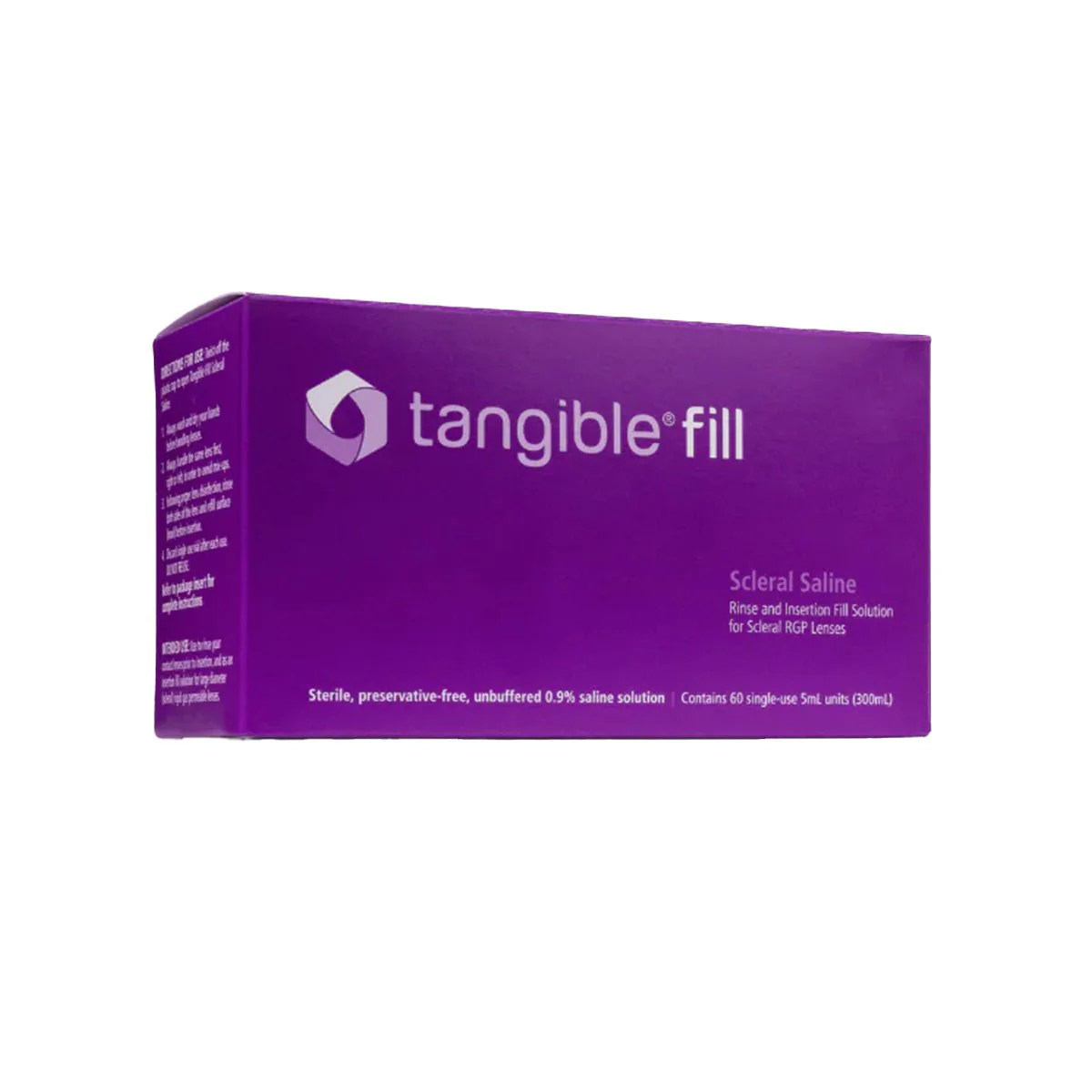
The patient fills the bowl before insertion. The tear reservoir masks corneal irregularity, and the haptic carries the lens weight on the conjunctiva and sclera instead of the cornea.
An optical zone of about 9 to 10 mm, a limbal transition zone and a landing or haptic zone that can be spherical or toric.
Current convention calls a lens mini-scleral when it is no more than 6 mm larger than the visible iris diameter, and full scleral above that.
Keratoconus, post-refractive ectasia, pellucid marginal degeneration, post-keratoplasty and corneal scarring.
Severe dry eye, Sjögren's, graft-versus-host disease, Stevens-Johnson syndrome, exposure and neurotrophic keratopathy.
BostonSight PROSE is an FDA-approved device for distorted corneas and surface disease, delivered by trained providers.
Design follows measurement. Most labs now accept topography, profilometry or impressions alongside a diagnostic lens over-refraction.
Enough vault to clear the cornea after settling, without so much that oxygen and vision suffer.
The lens should clear the limbus; anterior segment OCT shows it precisely.
Edges that are too tight cause impression rings and rebound redness; too loose causes edge awareness and debris.
Debris under the lens is a common complaint and often points to the landing fit or the surface.
In the practice
Expect several visits per eye. Build the fee around the sequence, not the lens.
Topography or profilometry plus a diagnostic lens and over-refraction after settling.
Check the lens on insertion and again after hours of wear, then adjust sag, landing or toricity.
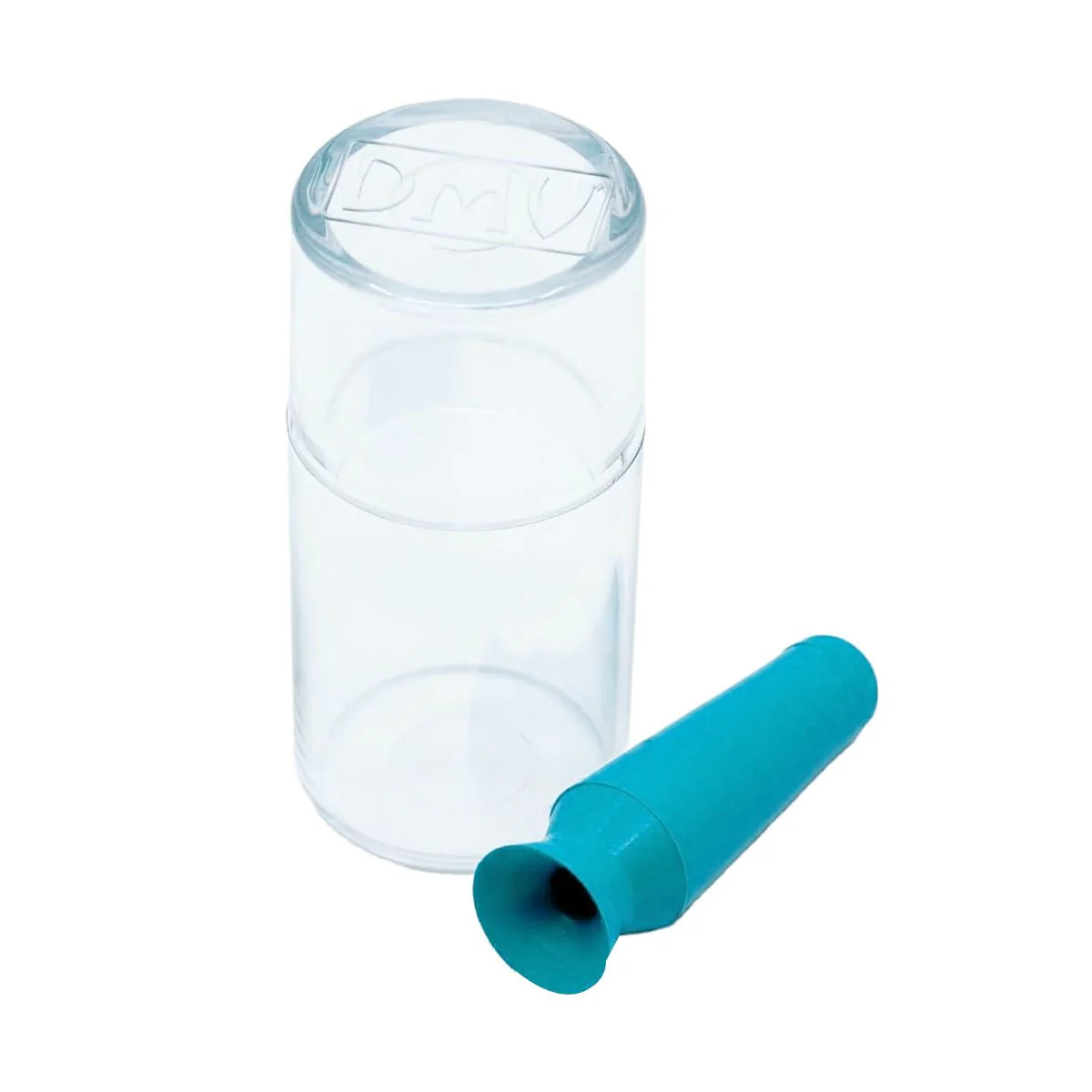
Teach filling, insertion with a plunger or stand, removal and cleaning, then monitor clearance over time.
| Filling solution | Preservative-free 0.9% sodium chloride, buffered or unbuffered |
|---|---|
| Fenestrated lenses | A more viscous fill may be mixed in to reduce bubbles |
| Insertion tools | Plungers, cups and stands |
| Removal | Small removal plungers |
| Cleaning | GP cleaners and disinfecting systems recommended by the lab |
| Cases | Large-diameter scleral cases |
| Overnight wear | Not routine; overnight use raises infection risk |
| Main risk | Microbial keratitis with poor hygiene, compliance or immunosuppression |
Patients with irregular corneas who cannot get stable vision or comfort in other lenses, and patients with severe ocular surface disease.
Published guidance commonly cites 200 to 500 microns of central clearance after settling. Follow the lab's fitting guide.
Not to start, but anterior segment OCT makes clearance, limbal and edge checks much easier.
92313 covers a corneoscleral or scleral fit for both eyes, 92072 an initial keratoconus fit, and V2531 the gas permeable scleral lens per lens. See the coding guide.
Eligible OTC supplies ordered on VisionRescue.com through RescueLink do. The lenses themselves, as contact lenses, are excluded.
Pair the right measurement tools with a lab partner and keep patients stocked with the supplies they use every day.
PROSE is a trademark of BostonSight. Product names are trademarks of their owners. Follow each lab's fitting guide and the lens labeling. Contact lenses are excluded from the 15% participation credit. Individual results vary.