
Learning Center · Specialty contact lenses
Specialty Contact Lenses for the eyes standard lenses cannot fit.
Scleral, hybrid, custom soft, GP and ortho-k lenses, plus the keratoconus care, equipment and coding that turn them into a specialty service. Each page is built from manufacturer, FDA, payer and peer-reviewed sources and written for optometrists, cornea specialists and comprehensive ophthalmologists alike.
Stay current: Latest eye care industry news
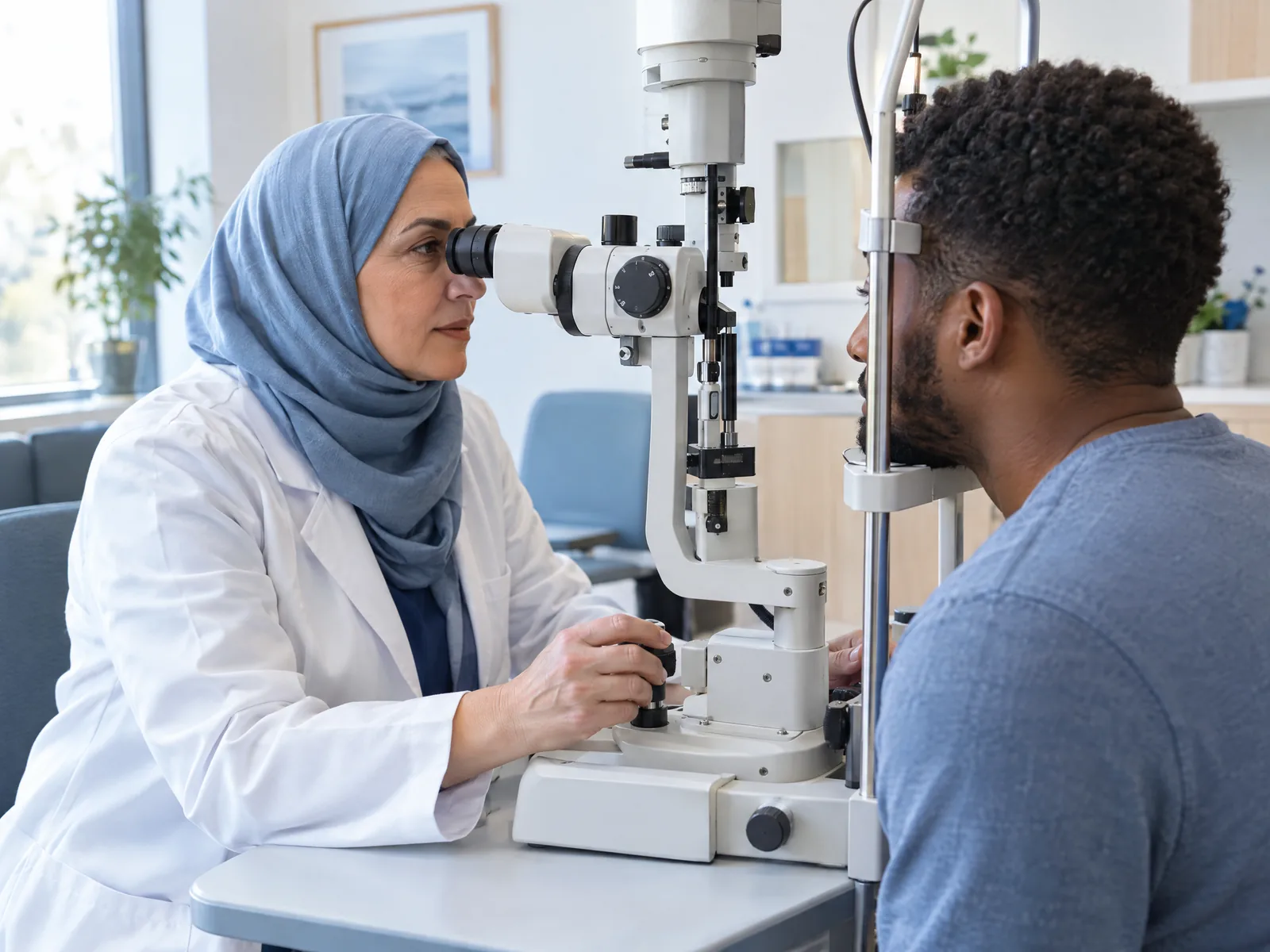
Where practices start.
Begin with the keratoconus and irregular cornea patients you already see or refer out, then add tools as volume grows. Optometry and ophthalmology practices, including cornea services, each run specialty lens clinics.
- Keep patients you refer out
- Measure before you design
- Bill medical necessity correctly
-
Start with one lab
Pick a scleral or hybrid lab partner and learn its fitting set and software.
-
Add a topographer
Maps drive design, keratoconus monitoring and medical necessity documentation.
-
Code it right
Fitting codes, V codes and plan criteria make specialty fits pay.
Lens types
Specialty lens options
From the largest vaulting lenses to overnight reshaping.

Scleral lenses
Fluid-vaulting lenses for irregular corneas and severe ocular surface disease.
View page ›
Hybrid and custom soft
GP-center hybrids and made-to-order soft lenses for hard-to-fit eyes.
View page ›Keratoconus and cross-linking
Detect progression, co-manage CXL and restore vision with lenses.
View page ›Ortho-K
Overnight corneal reshaping for clear days and myopia management.
View page ›Run the service
Equip and bill
The tools and codes behind a profitable specialty lens practice.
Frequently asked questions
Does Vision Rescue sell specialty lenses?
Specialty lenses come from manufacturers and labs. Vision Rescue stocks the care supplies, such as preservative-free saline, GP solutions and insertion tools.
Which specialty lens should I learn first?
It depends on your patients. Some practices start with sclerals because they cover both irregular corneas and ocular surface disease; others start with GP, hybrid or ortho-k.
Is this hub for optometrists or ophthalmologists?
Both. Optometrists and ophthalmologists fit specialty lenses, and cornea specialists perform cross-linking and corneal surgery for the same patients. Each page notes who typically provides each option.
Where does the information come from?
Manufacturer materials, FDA records, payer policies and published clinical literature, listed on each page.
Do specialty lenses earn the participation credit?
No. Contact lenses and Rx are excluded. Eligible OTC supplies ordered on VisionRescue.com through RescueLink earn the 15% participation credit.
Build your specialty lens service.
Pick a lab, add measurement and keep your patients supplied between visits, in an optometry, ophthalmology or cornea practice.
Stay current: Latest eye care industry news
Product names are trademarks of their respective manufacturers. Review each manufacturer's labeling and fitting guide before use.