
Learn · In-office procedures
In-Office Procedures Every dry eye device, by job.
A map of dry eye diagnostics and treatments for optometry and ophthalmology practices, with what Vision Rescue stocks or you order direct.
A sensible order to build in.
Most practices add equipment in steps: first a test that changes the plan at the same visit, then a treatment, then a steady supply of the disposables.
- Test before treating
- Add one gland treatment
- Put disposables on auto-ship
-
Start with a chairside answer
Tear osmolarity and MMP-9 give an objective result during the exam. Vision Rescue carries both ScoutPro and InflammaDry.
-
Layer in heat and expression
Pairing gland expression with a heat-based treatment such as LipiFlow covers the workflow most practices use first.
-
Never run short on disposables
Activators, tip packs and test cards reorder from the same wholesale account, and auto-ship can handle the routine.
Diagnostics
Tests and diagnostic devices
Objective measures that grade severity, point to the subtype and set a baseline for follow-up visits.
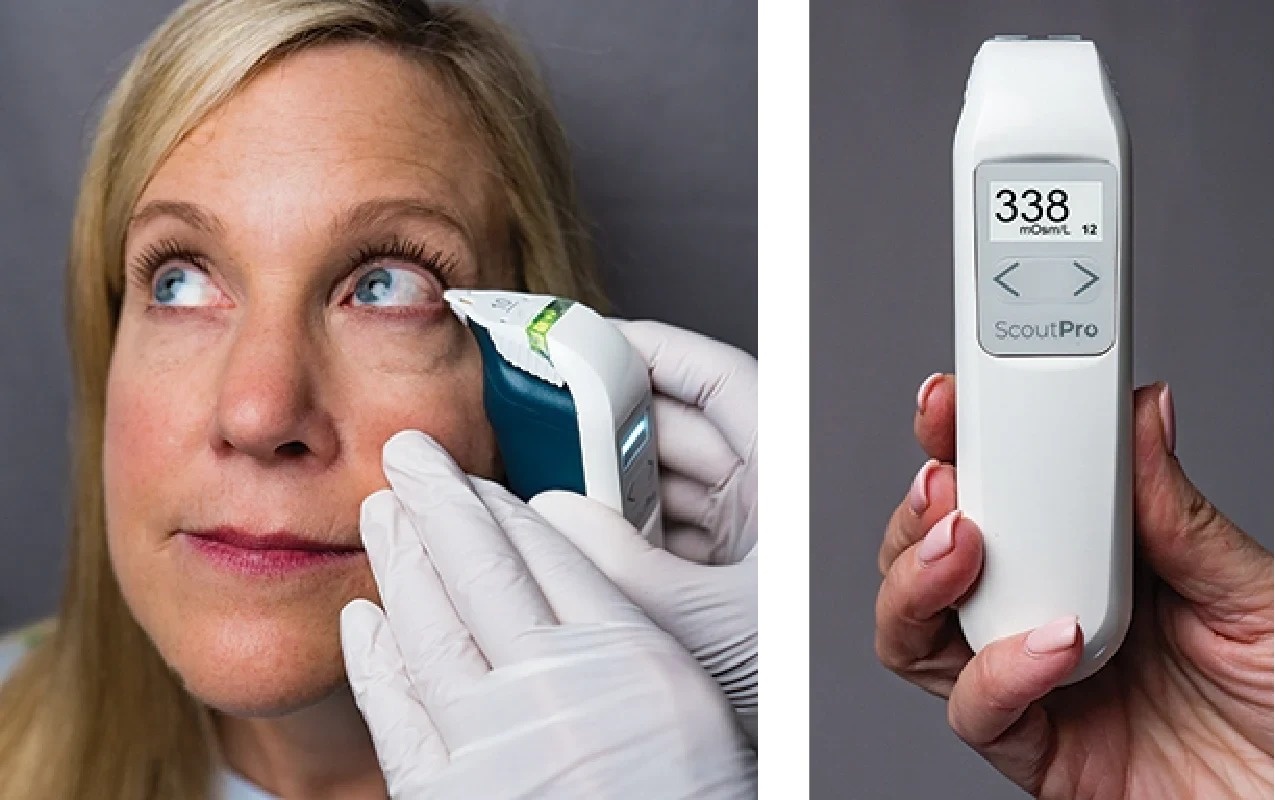
ScoutPro Osmolarity
Chairside tear osmolarity from a single-use test card.
Open page ›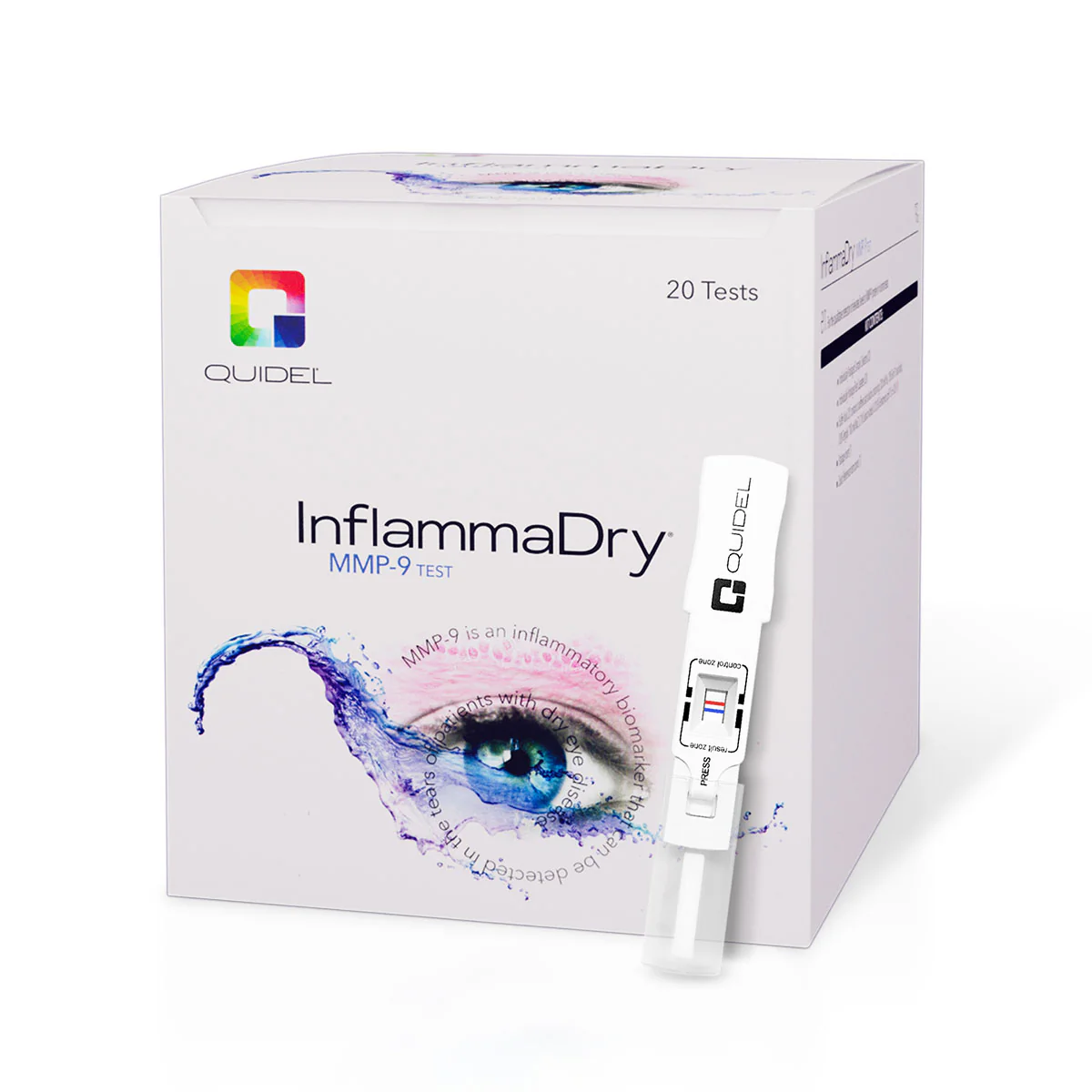
InflammaDry MMP-9
A rapid in-office test that flags elevated MMP-9 in tears.
Open page ›Keratograph 5M
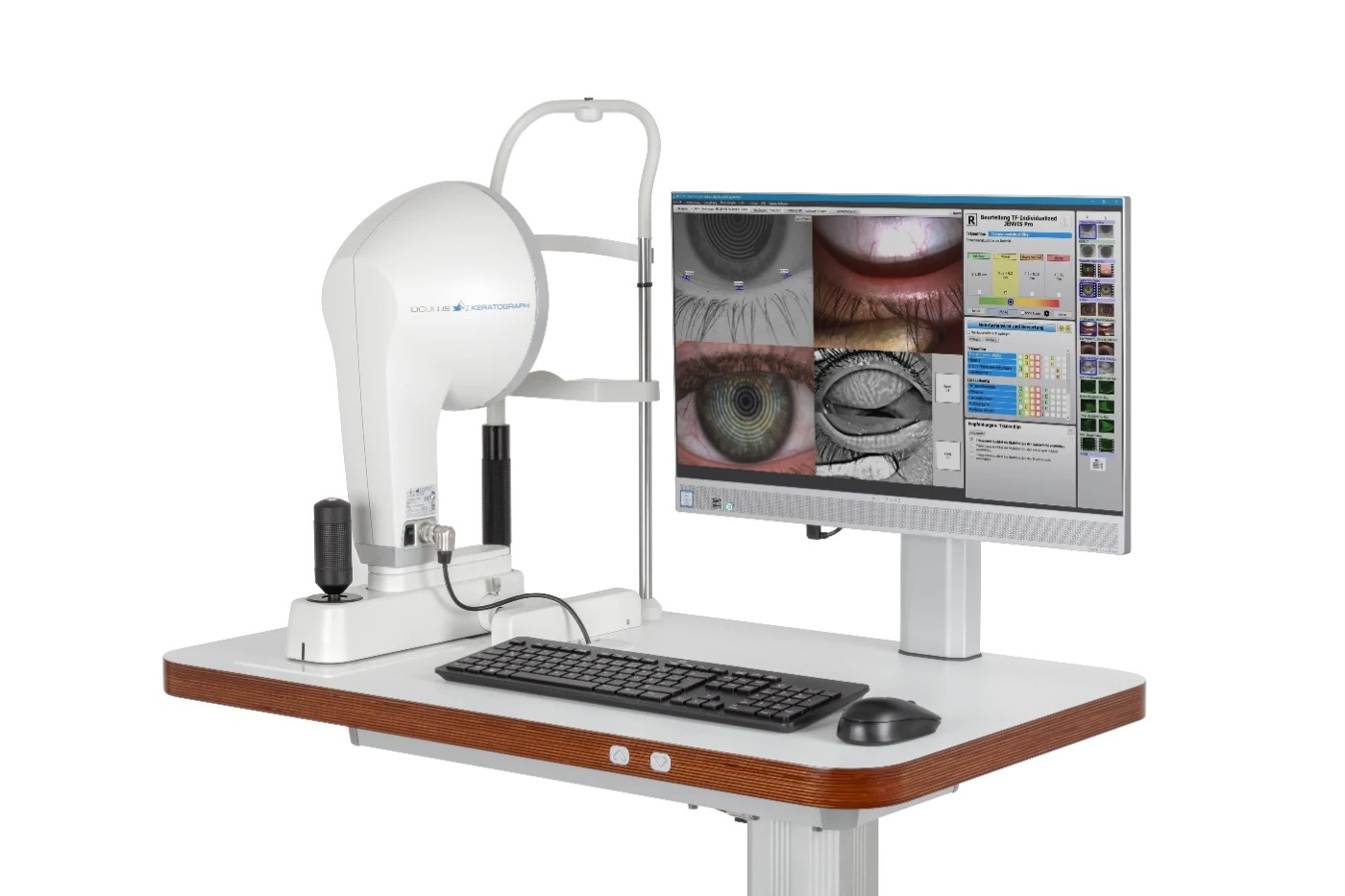
Placido topography plus dye-free NIKBUT, gland imaging, meniscus height and redness scoring from one OCULUS instrument.
Open page ›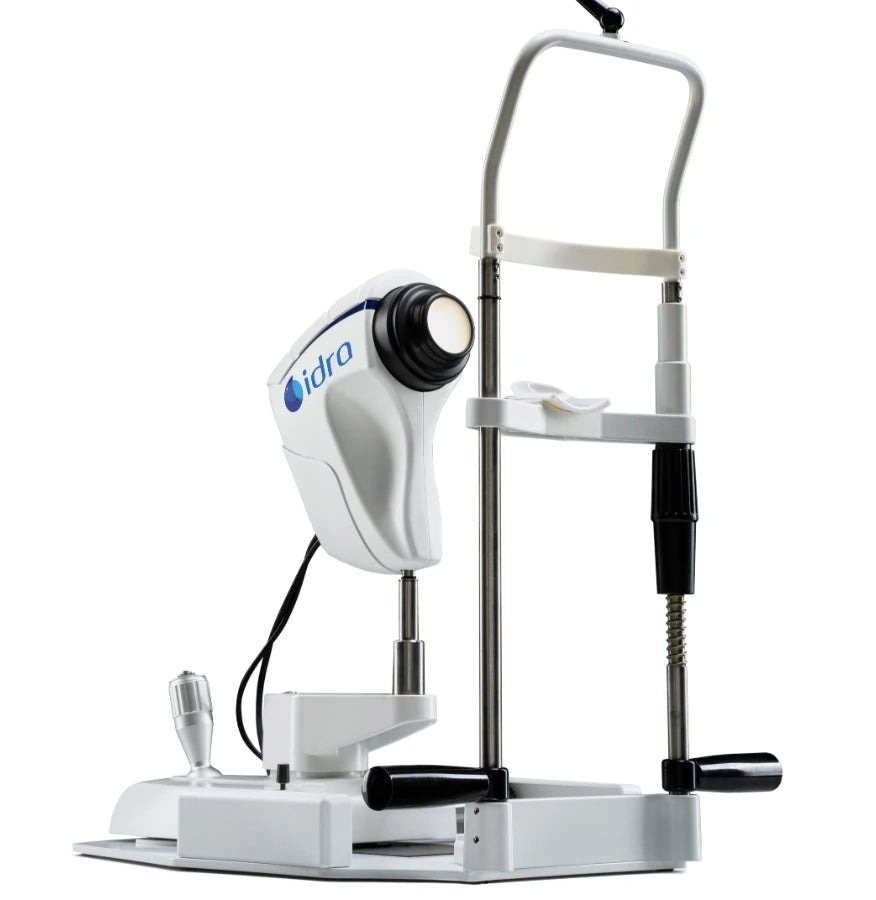
IDRA Tear Film Analyzer
Automates interferometry, NIBUT, tear meniscus and 3D meibography on one platform.
Open page ›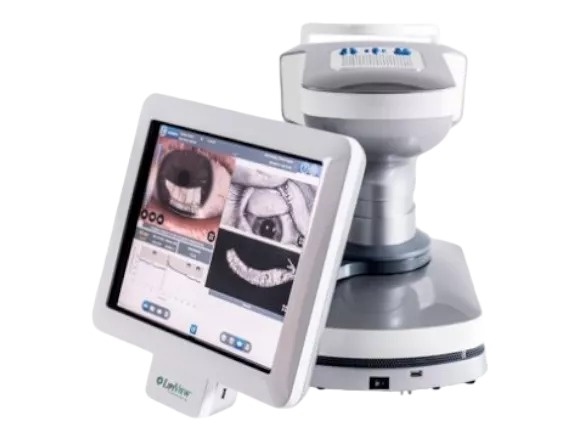
LipiScan and LipiView II
Gland imaging and lipid layer measurement from Johnson & Johnson Vision.
Open page ›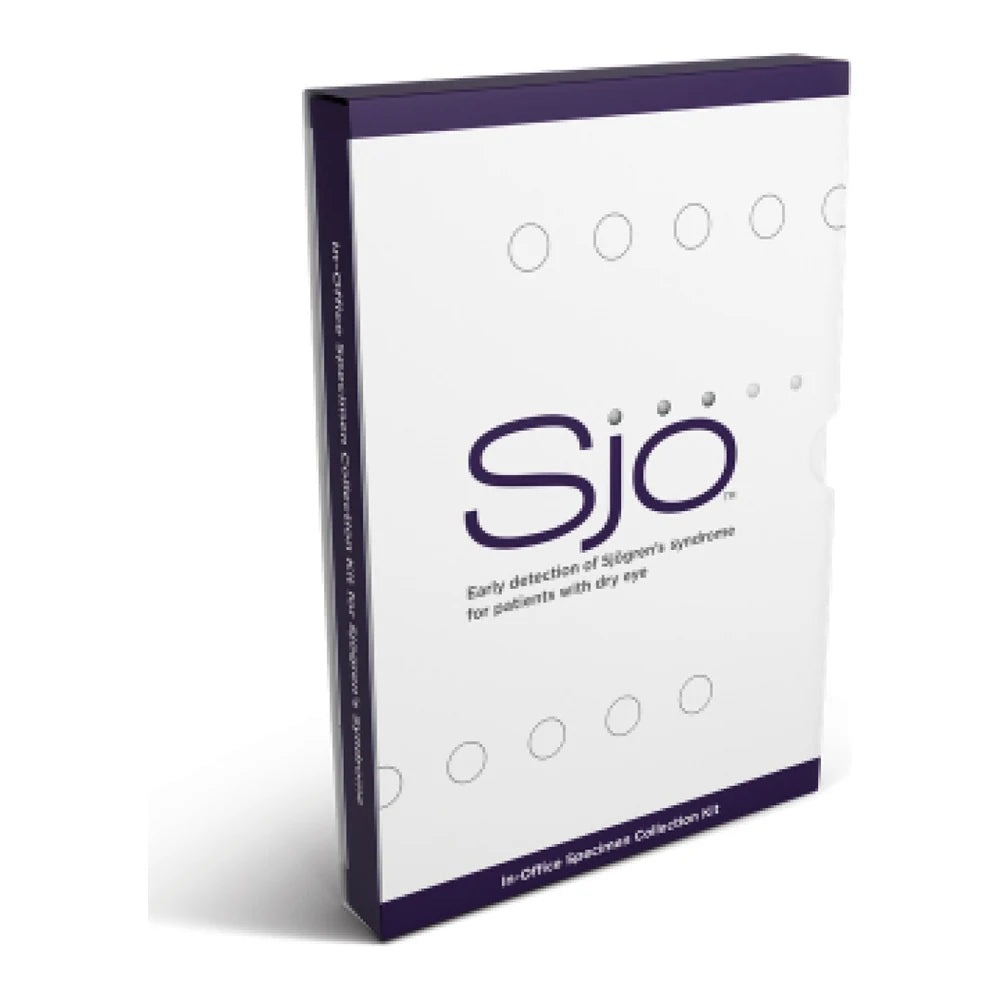
Sjö Sjögren's Panel
Seven-biomarker blood panel from Immco that looks for early Sjögren's markers.
Open page ›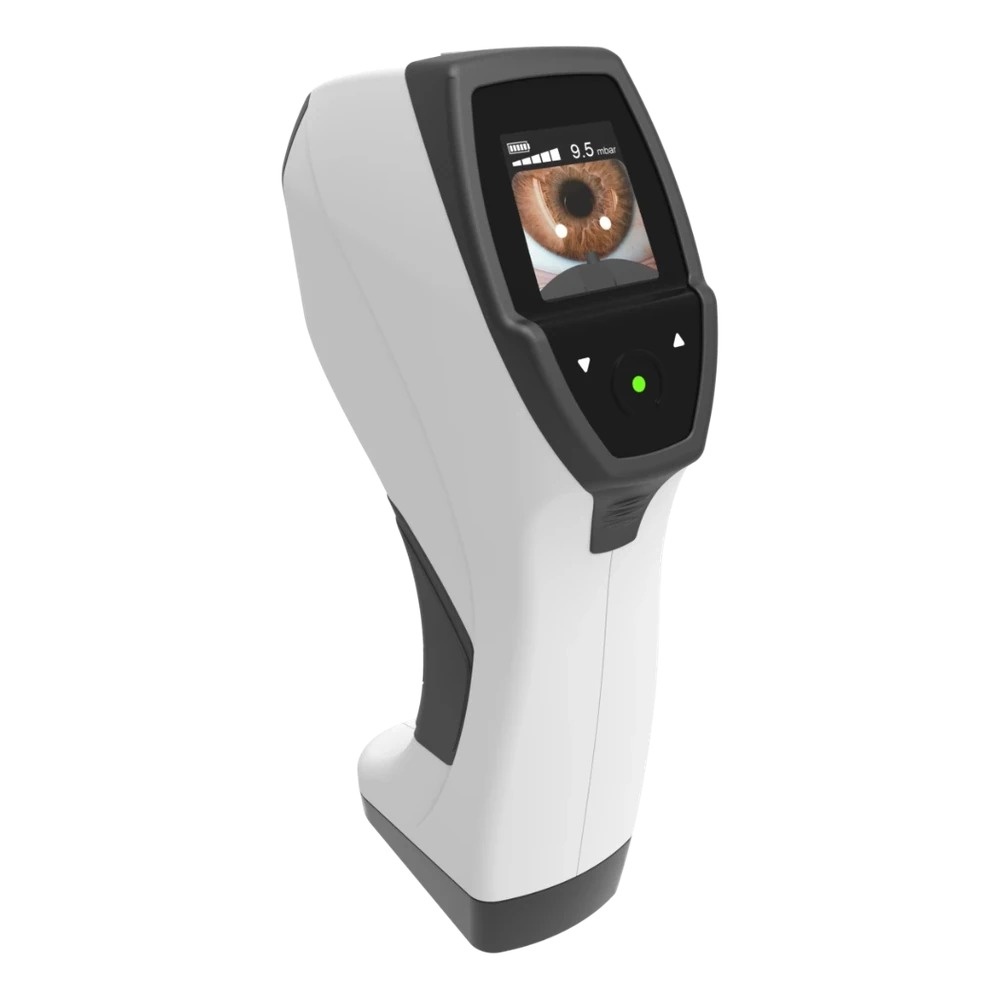
Brill Corneal Esthesiometer
Measures corneal sensitivity with air puffs at five levels, no contact.
Open page ›Dry Eye Diagnostics Guide
How to screen, confirm and find the cause, and which tool fits each step.
Open page ›In-office treatments
Treatments done in the office
For patients who need more than home care: cleaning the lid margin, heating and clearing the glands, and rinsing the ocular surface.
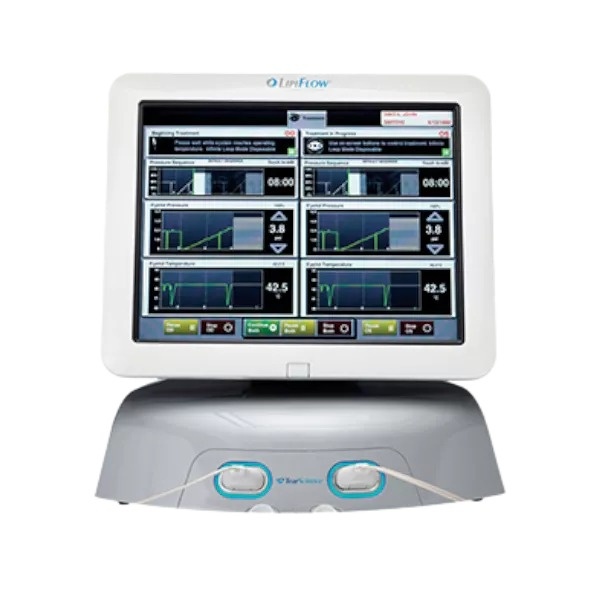
LipiFlow
Vectored thermal pulsation for the meibomian glands. Vision Rescue carries the Activators.
Open page ›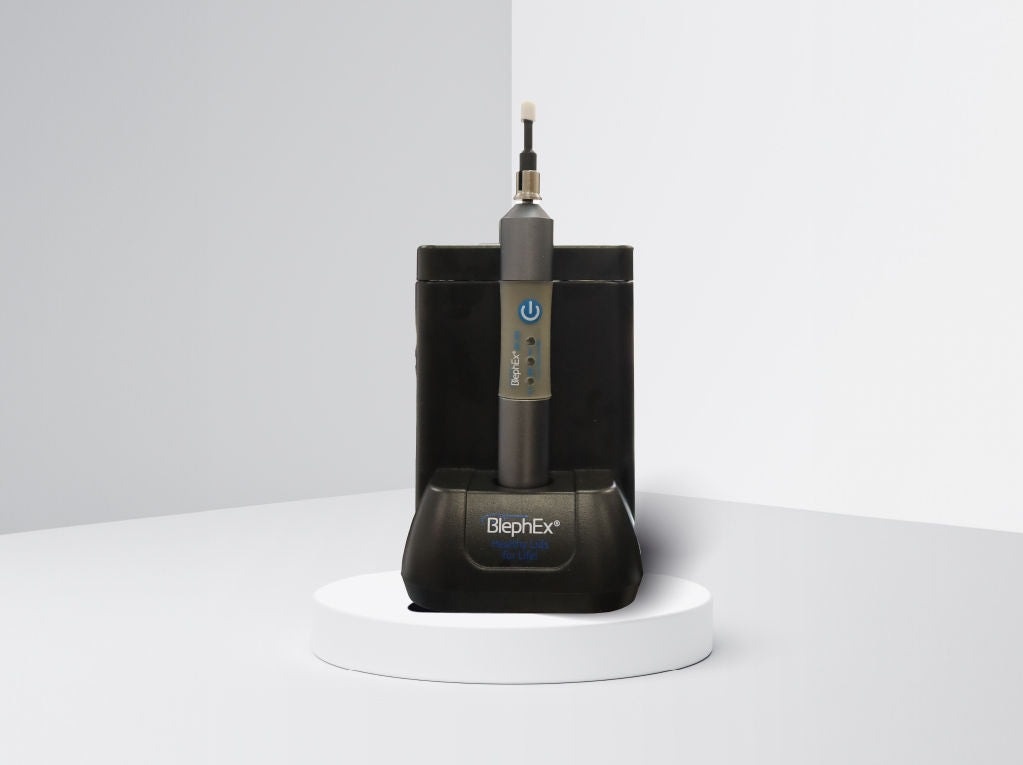
BlephEx and OptiVize
Chairside lid margin cleaning, with the handpiece and single-use disposables.
Open page ›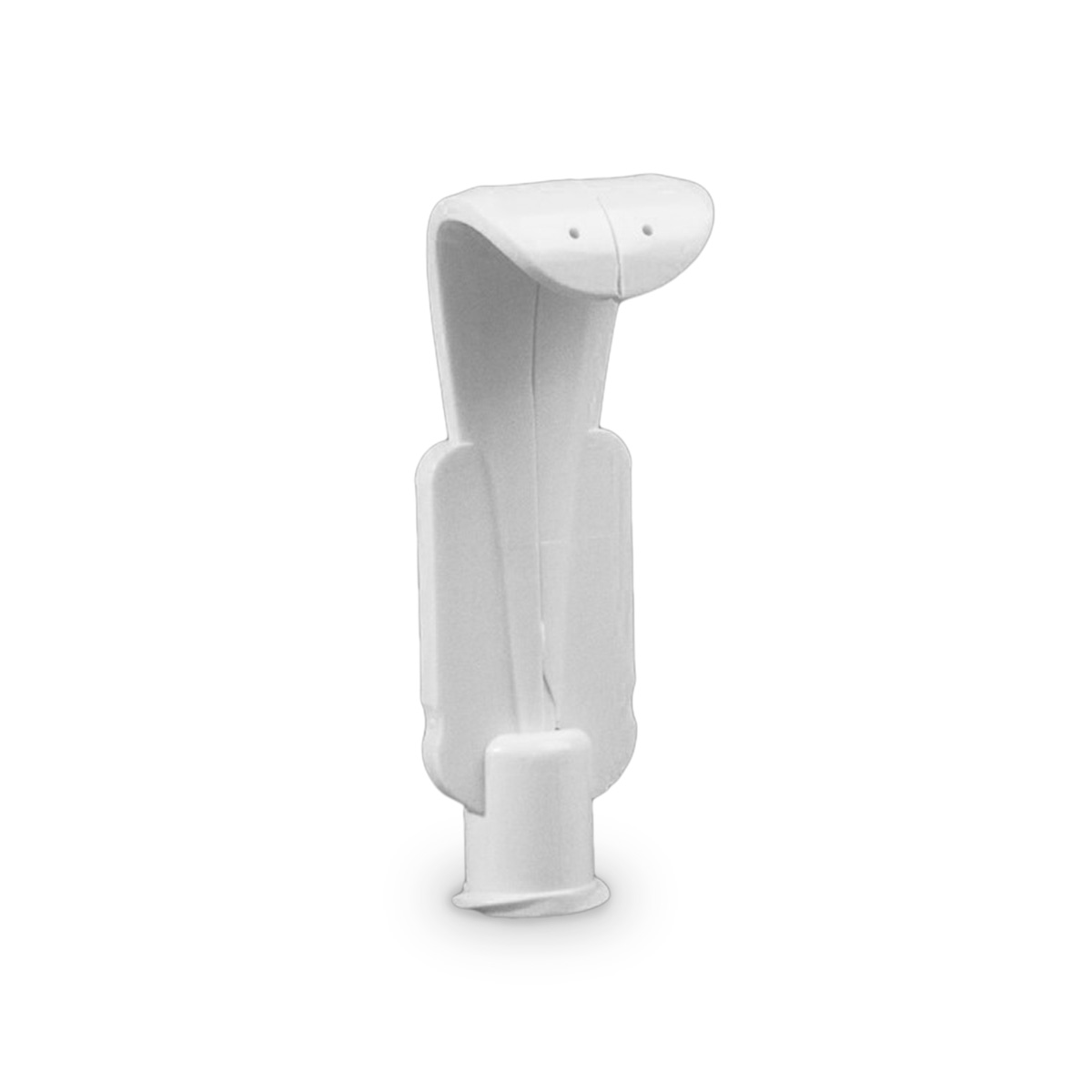
Rinsada
A lid retractor that irrigates the fornix and inner lid to clear surface irritants.
Open page ›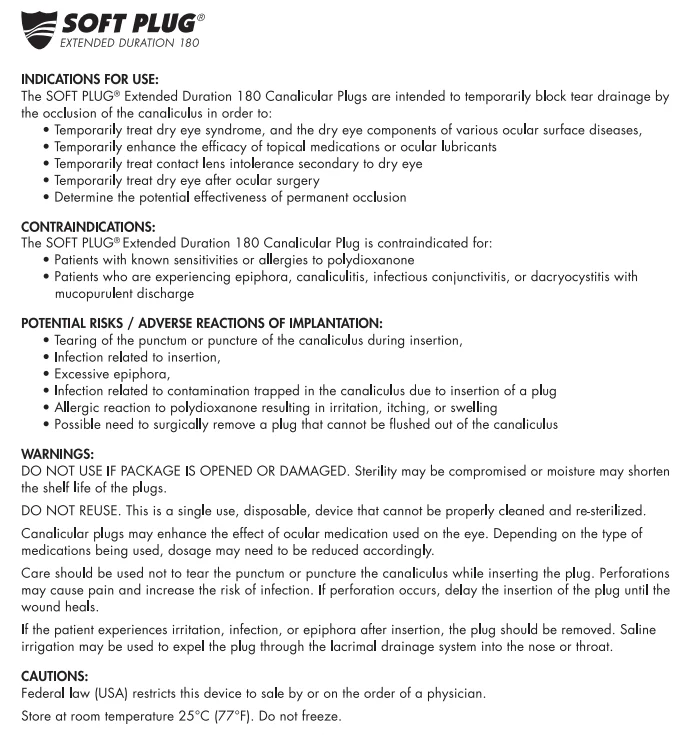
Punctal Plugs
Plug types, sizing and placement for aqueous deficiency, with the plugs on your wholesale account.
Open page ›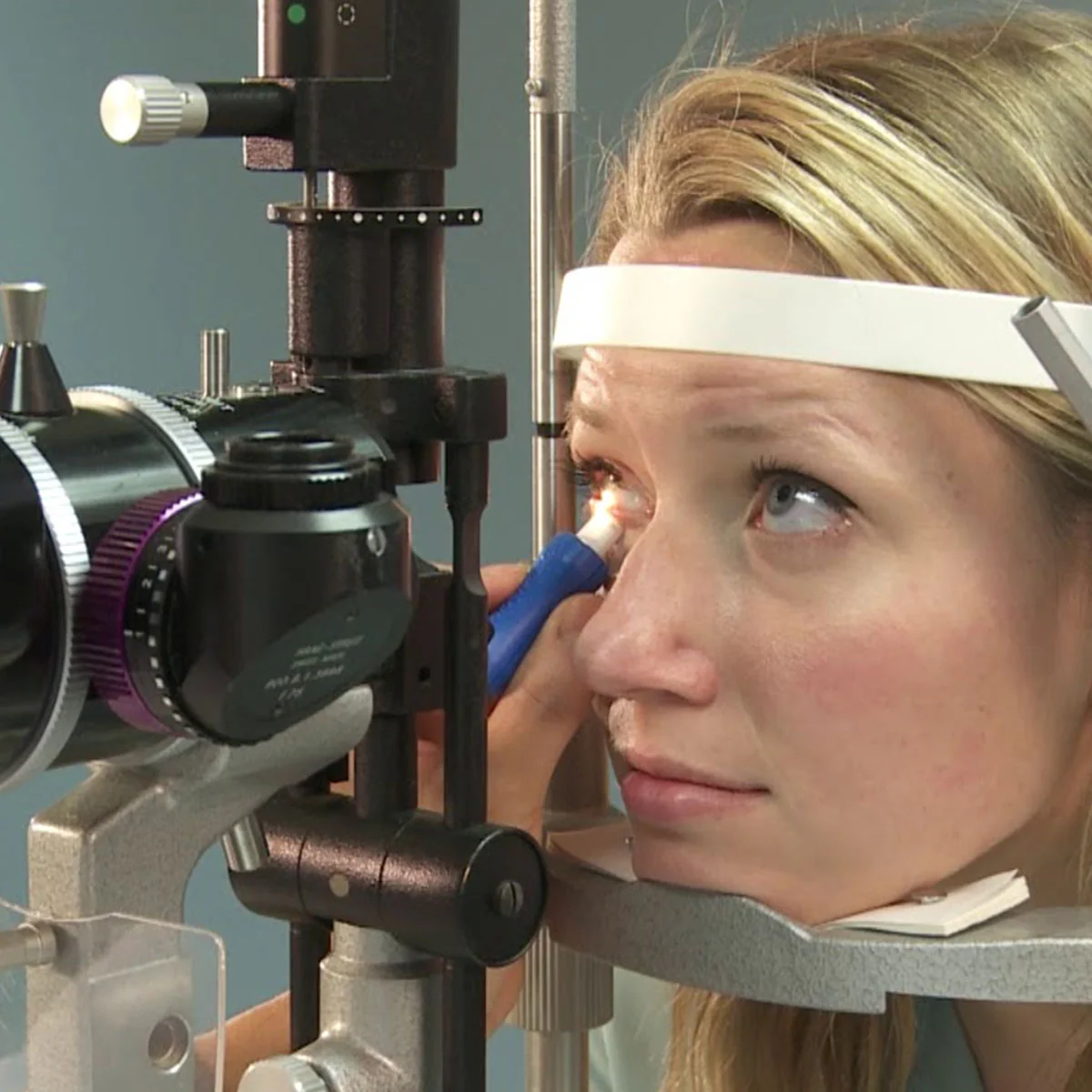
MGD Expression
Score meibum, stage MGD and clear blocked glands, using the evaluator for standardized pressure.
Open page ›OptiLight IPL
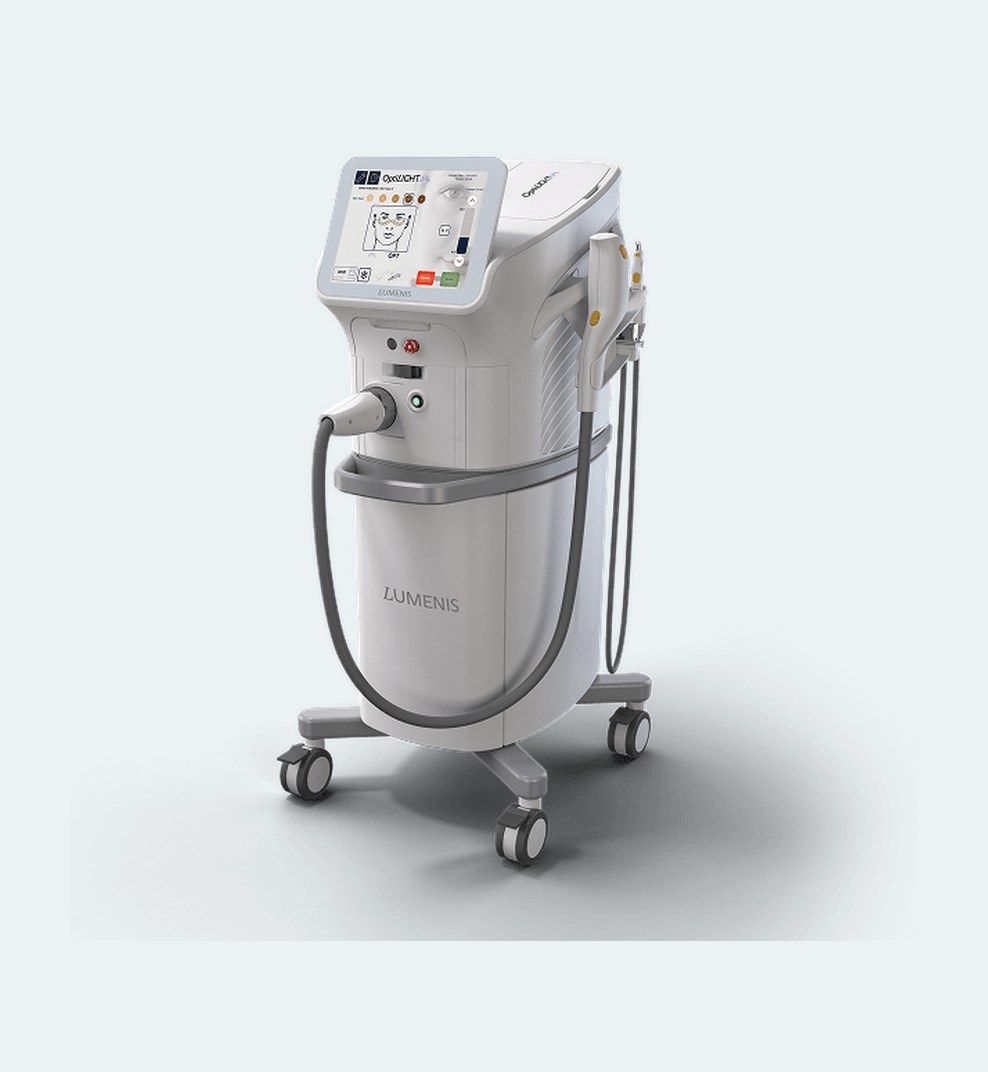
Lumenis intense pulsed light, FDA approved for managing dry eye disease due to MGD.
Open page ›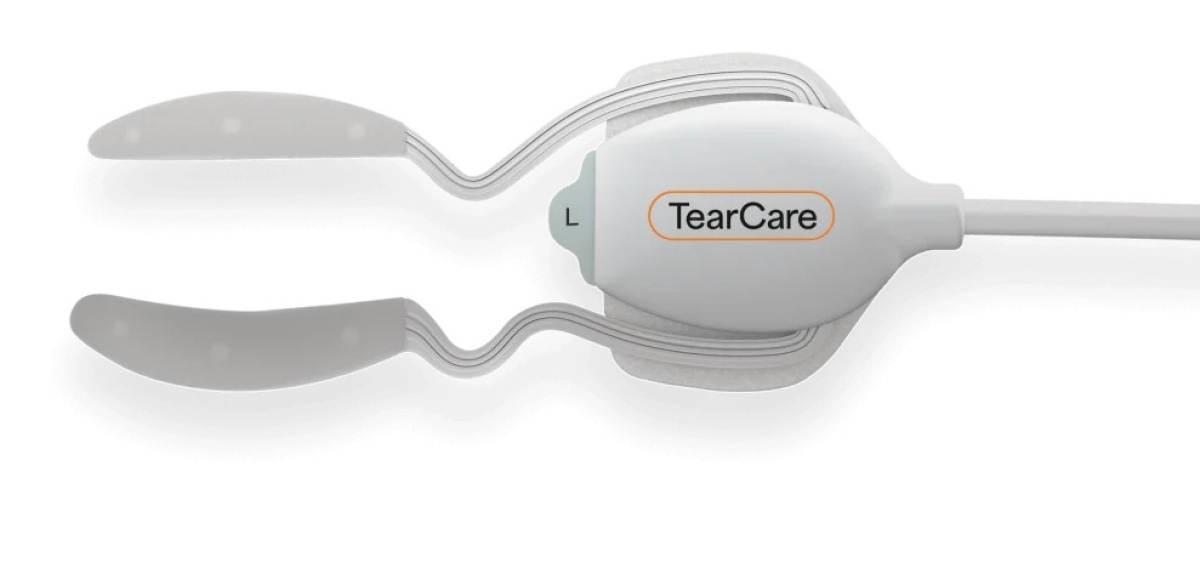
TearCare
SmartLids warm the lids while the patient blinks normally, then the clinician clears the glands.
Open page ›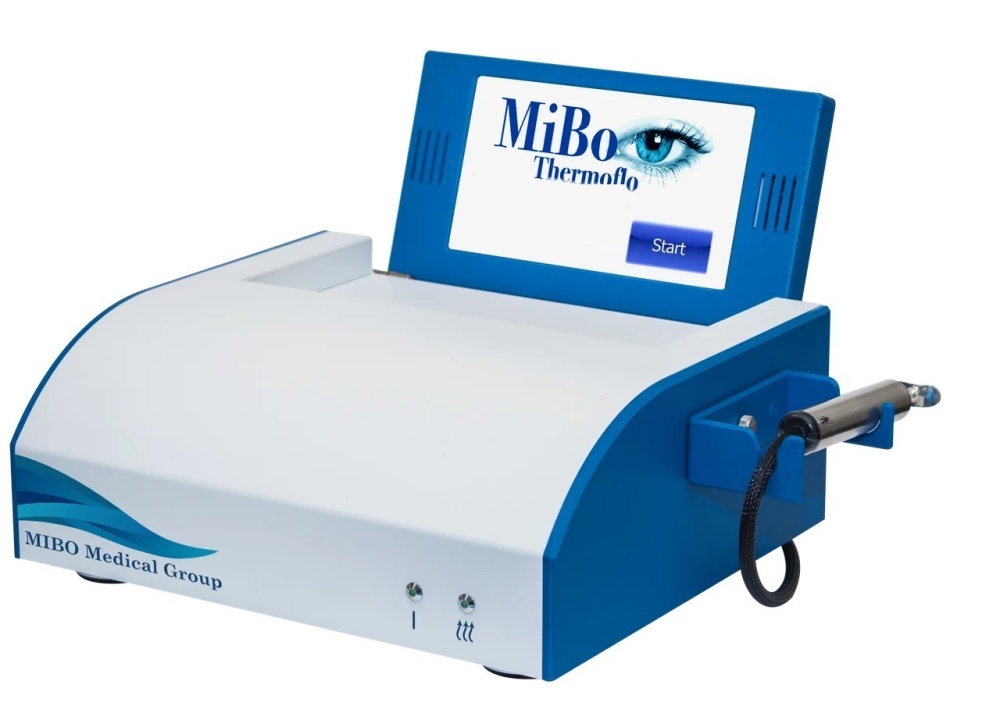
MiBo Thermoflo
Controlled warmth delivered through pads resting on the closed lids.
Open page ›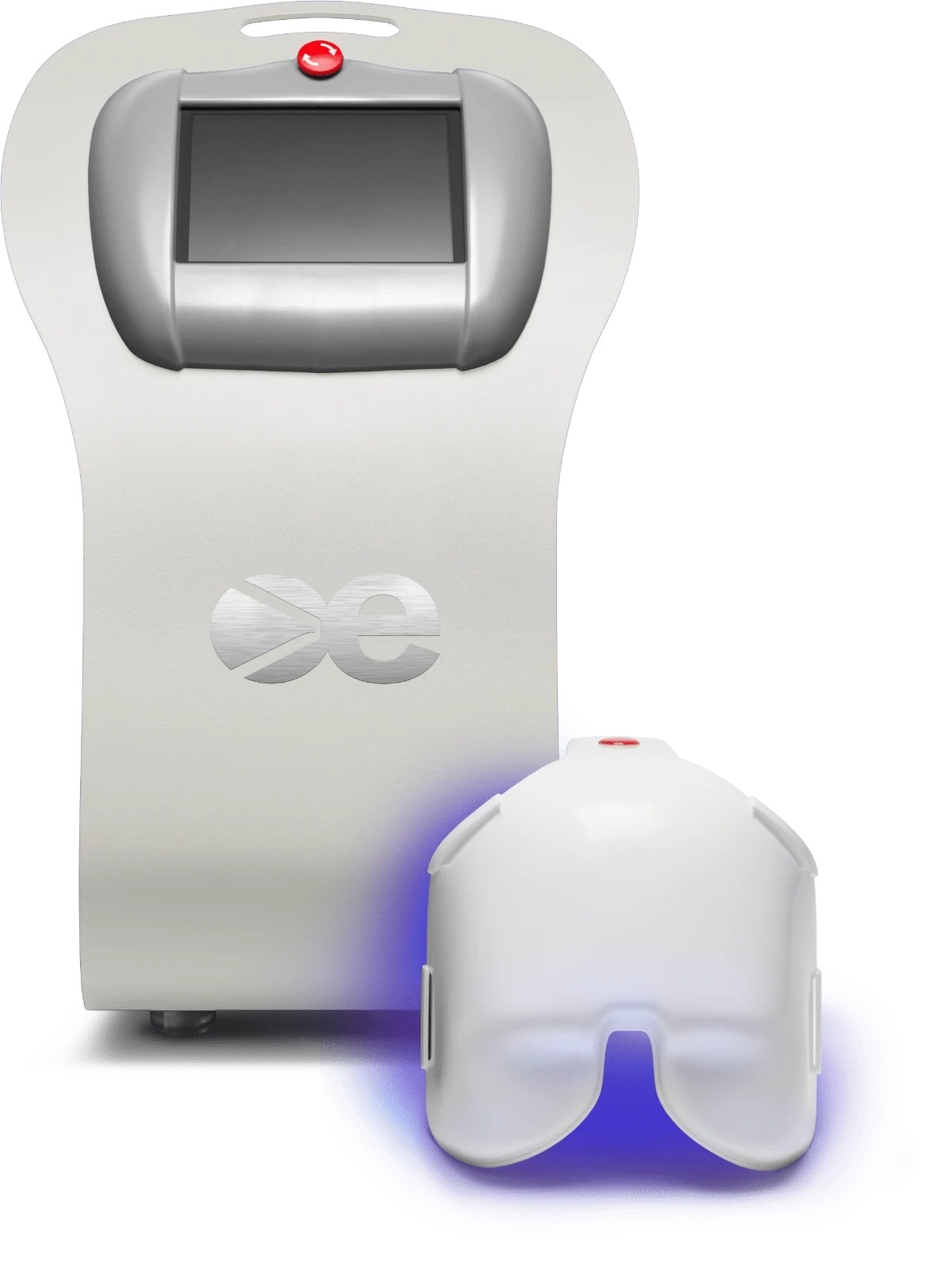
Low-Level Light Therapy
Equinox LED masks worn over the face and lids for 15 minute sessions.
Open page ›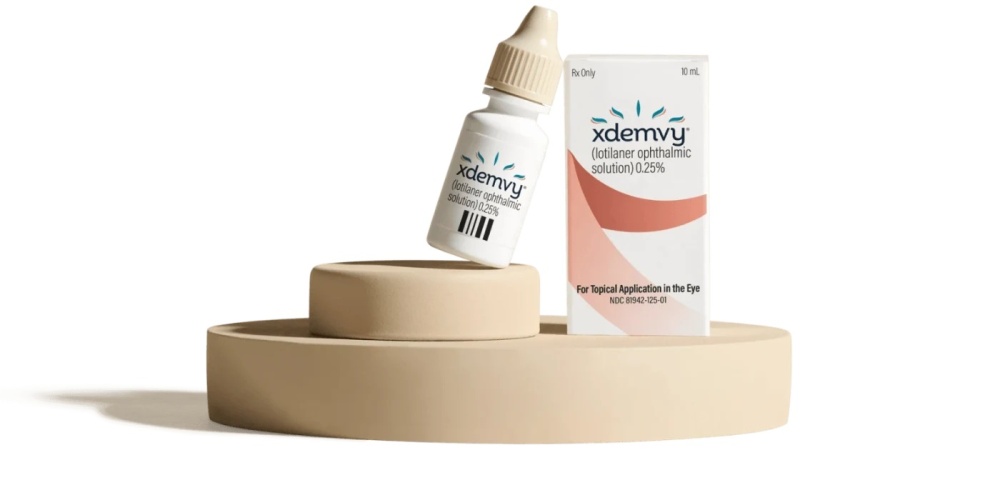
XDEMVY
The prescription lotilaner drop for Demodex blepharitis, with full prescribing information.
Open page ›Treatment paths
Around the in-office rung: the other dry eye treatment paths
The devices above make up the in-office step. Most patients also use one or more of the paths below. Vision Rescue does not rank these paths; the treating doctor and the patient choose based on severity, the main driver and the patient's circumstances.
At-home and OTC care
Lubricant drops, gels and ointments, lid hygiene, warm compresses and nutrition. Usually the base layer at every severity. Recommended by optometrists and ophthalmologists; done by the patient at home.
Product guides ›Prescription therapy
Anti-inflammatory and tear-film drugs such as cyclosporine, lifitegrast and perfluorohexyloctane, varenicline nasal spray, lotilaner for Demodex and short steroid courses. Prescribed by ophthalmologists and optometrists within state scope.
Prescription options ›Punctal occlusion
Temporary or long-lasting plugs that keep the patient's own tears on the eye, and permanent closure by thermal cautery when plugs are not enough. Plugs placed by ODs and MDs where state scope allows; cautery closure is a surgical step, usually by an ophthalmologist.
Punctal plugs ›Advanced and surgical care
For severe disease: autologous serum drops, amniotic membrane, scleral lenses and eyelid surgery such as tarsorrhaphy. Often cornea and oculoplastic specialists, with the co-managing OD or MD.
Scleral lenses ›Sources: TFOS DEWS III Management and Therapy (2025) · AAO Dry Eye Syndrome PPP (2023)
Manufacturers
Companies named on this page
Logos link to each company's website and appear in alphabetical order, at the same size, for identification only.




Questions doctors ask about in-office equipment
What can I order from Vision Rescue?
Your Vision Rescue wholesale account covers ScoutPro, InflammaDry, LipiFlow Activators, BlephEx and OptiVize, Rinsada, punctal plugs and the gland evaluator. You buy IDRA, OCULUS Keratograph, LipiScan and LipiView II, TearCare, MiBo, OptiLight, Equinox and the Brill device from their makers. Sjö goes out to a lab, and XDEMVY is prescribed. Each card points you to the right place.
Which equipment should a new dry eye service add first?
Usually a test that changes the plan at the same visit, such as osmolarity or MMP-9, followed by gland expression and one heat-based treatment such as LipiFlow.
Where does each device page get its information?
From the manufacturer: product literature, instructions for use and, where relevant, the studies the manufacturer cites.
How do LipiFlow and BlephEx differ?
LipiFlow uses Activators on the lids to warm the meibomian glands and apply pulsed pressure. BlephEx is a handheld device whose spinning micro sponge tip cleans the lid margin and lash line.
How do IPL and LLLT differ?
OptiLight delivers filtered light pulses of 590 to 1200 nm across the cheeks from one tragus to the other. Equinox LLLT applies LED light through a mask worn over the face and eyelids.
Can Vision Rescue help with setup and training?
Yes. Provider Relations can help you choose equipment, keep disposables stocked and get connected with manufacturer training, sized to your patient volume.
Are these devices used by optometrists or ophthalmologists?
Both. Optometry and ophthalmology practices, from primary eye care to cornea practices, offer in-office dry eye testing and treatment. Who may perform each procedure follows state scope of practice and each manufacturer's training requirements.
Put together your in-office dry eye suite.
Choose the devices that suit your patient volume. Vision Rescue keeps the consumables stocked and can put them on auto-ship.
Stay current: Latest eye care industry news
Product names are trademarks of their respective manufacturers. Read each manufacturer's instructions for use, including every warning, precaution and contraindication, before use.