Clear surface irritants
The high-flow rinse is designed to help wash irritants and inflammatory debris off the ocular surface.
In-office procedures · Lid and surface irrigation
Rinsada flushes the fornix and the palpebral and bulbar conjunctiva in one pass, in optometry and ophthalmology exam lanes alike.
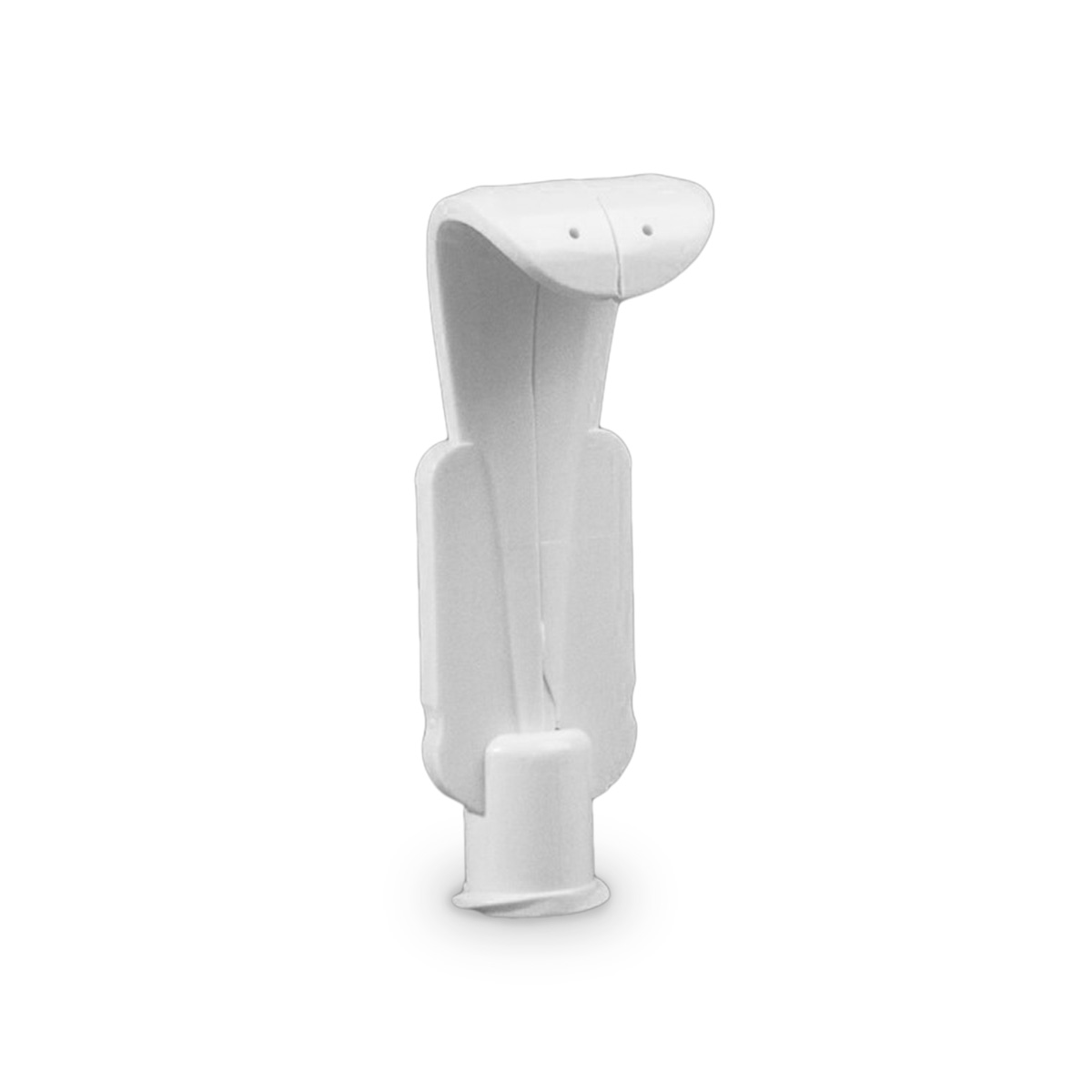
Allergens, debris and inflammatory load collect under the lid and deep in the fornix. Rinsada holds the lid away from the globe and flushes those spaces directly.
The high-flow rinse is designed to help wash irritants and inflammatory debris off the ocular surface.
Directs eye wash into the deep fornix recess that an ordinary rinse misses.
Washes the palpebral conjunctiva, where allergens come into contact with antigen presenting cells.
One in-office rinse reaches the full ocular surface.
The patented retractor keeps the setup simple and needs no capital purchase.
Threads securely onto a standard 10-cc syringe filled with eye wash.
Holds the lid off the eye while the rinse reaches the bulbar and palpebral conjunctiva and the fornix.
Two ports on the top crest, two underneath and one at the tip send eye wash out in three directions.
The rinse is sterile eye wash solution, flushed across the surface and beneath the lid.
Setup takes little time and the rinse happens in the exam chair, so it can be added to the visit without a separate appointment.
Fit the retractor onto a 10-cc syringe of eye wash.
Chairside with minimal equipment, so the day stays on time.
Blepharoexfoliation and gland expression work on the outside of the lid. Rinsada is designed to clean the inner surface, so the two often go together.
| Device | Irrigating eyelid retractor |
|---|---|
| Connection | Luer Lock hub, standard 10-cc medical syringe |
| Irrigating micro-ports | 5 (2 top crest, 2 underside, 1 forward tip) |
| Flow directions | 3 |
| Irrigation solution | Sterile eye wash solution |
| Patent | US Patent No. 11,471,143 |
Rinsada is indicated for the removal of irritants from the ocular surface.
Treatment paths
Dry eye care runs from home care to surgery, and many patients use several paths at once. Vision Rescue does not rank these paths; the treating doctor and the patient choose based on severity, the main driver and the patient's circumstances.
Lubricant drops, gels and ointments, lid hygiene, warm compresses and nutrition. Usually the base layer at every severity.
Recommended by optometrists and ophthalmologists; done by the patient at home. Product guides ›
Anti-inflammatory and tear-film drugs such as cyclosporine, lifitegrast and perfluorohexyloctane, varenicline nasal spray, lotilaner for Demodex and short steroid courses.
Prescribed by ophthalmologists and optometrists within state scope. Prescription options ›
Gland expression, thermal pulsation and lid-heating devices, intense pulsed light, light therapy and lid-margin cleaning.
Offered in optometry and ophthalmology practices, often run by trained staff. In-office procedures ›
Temporary or long-lasting plugs that keep the patient's own tears on the eye, and permanent closure by thermal cautery when plugs are not enough.
Plugs placed by ODs and MDs where state scope allows; cautery closure is a surgical step, usually by an ophthalmologist. Punctal plugs ›
For severe disease: autologous serum drops, amniotic membrane, scleral lenses and eyelid surgery such as tarsorrhaphy.
Often cornea and oculoplastic specialists, with the co-managing OD or MD. Scleral lenses ›
Sources: TFOS DEWS III Management and Therapy (2025) · AAO Dry Eye Syndrome PPP (2023)
Patients reporting irritation are a natural starting point, because they often carry a heavy inflammatory, allergen or particulate load. Rinsada aims a targeted, high-pressure rinse at the palpebral conjunctiva and fornix, where much of that load sits.
Many practices begin with two groups: patients complaining of irritation or grittiness, and patients already scheduled for a lid procedure such as blepharoexfoliation or gland expression.
Sterile eye wash solution, directed at the palpebral conjunctiva and fornix.
Very little. Setup is quick and the rinse is done chairside with minimal equipment before the patient leaves.
Rinsada aims at the palpebral conjunctiva and is designed to mechanically flush particulates such as pollen away from the antigen presenting cells where the allergic response starts.
Both. Rinsada is offered in optometry and ophthalmology practices, and often run by trained staff under the doctor's direction. Who may perform it depends on state scope of practice and the manufacturer's training requirements.
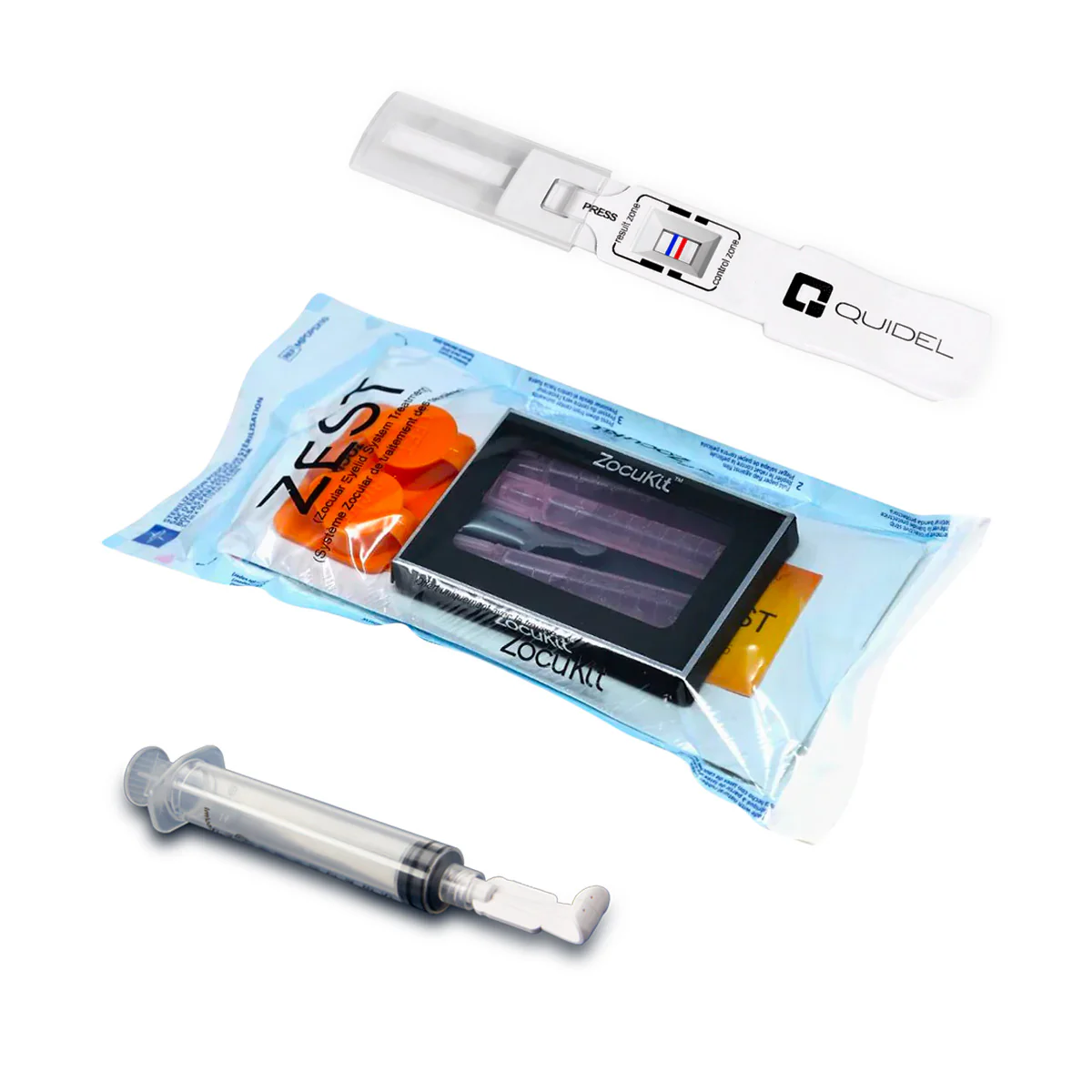
Order Rinsada and the Test and Restore Kit at wholesale from Vision Rescue.
Stay current: Latest eye care industry news
Rinsada is a trademark of Rinsada (0625, LLC). Read the complete manufacturer instructions for use, including every warning, precaution and contraindication, before use. Individual results vary.