









Clinical product guide
In-office dry eye supplies organized by procedure.
Dry eye work in the chair depends on three things: diagnostics, treatment tools and the consumables that keep both running. Buy each device once and keep its consumable in stock, and every procedure stays repeatable.
Quick answer
Measure first, treat second, then reorder.
In-office care usually builds in layers: ScoutPro or InflammaDry to help confirm what you are treating, BlephEx or ZEST to clean the lids, a thermal treatment for MGD that will not budge, and punctal plugs when tear volume is low. A standing reorder on the per-patient consumables helps keep each procedure repeatable.
In short
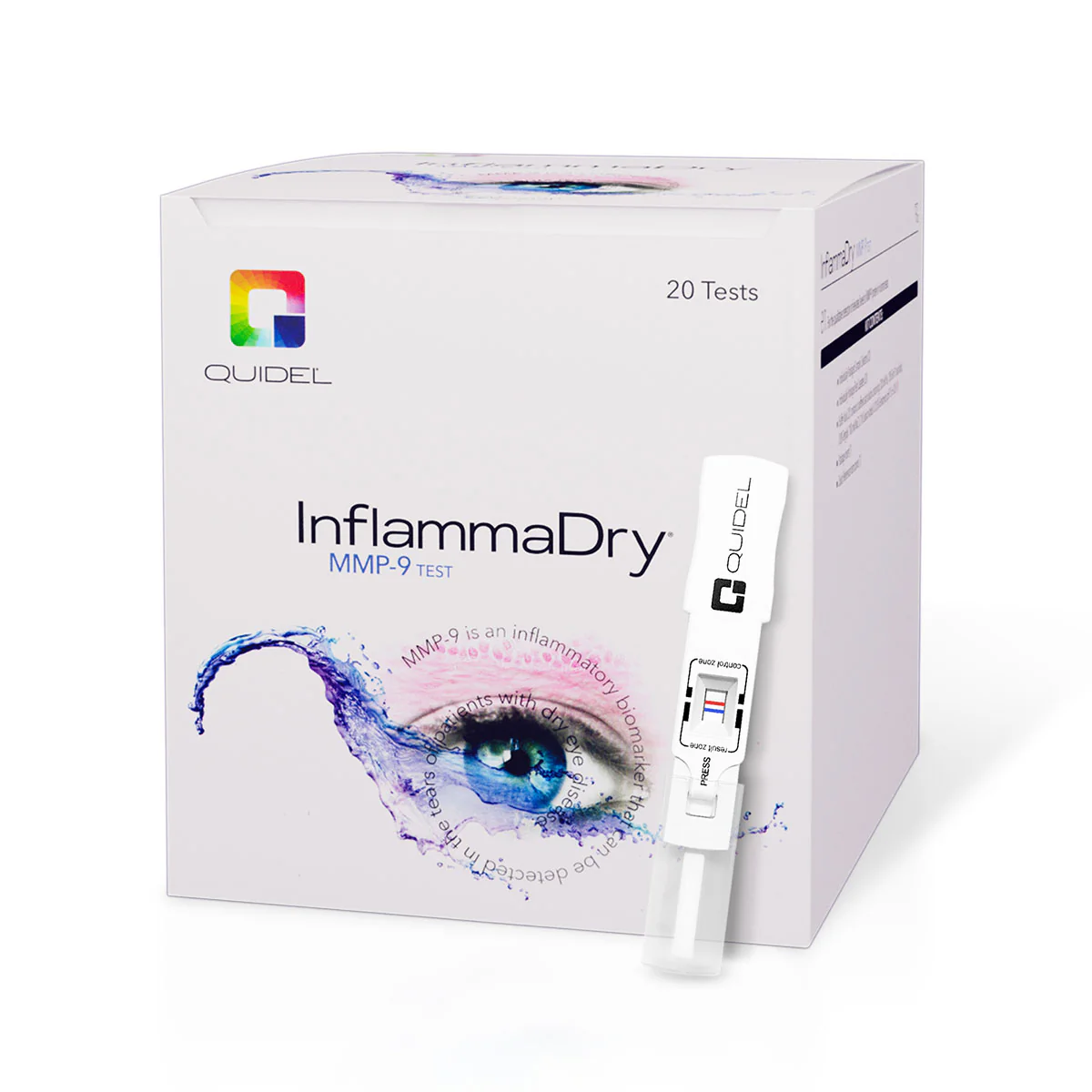
- InflammaDry flags MMP-9 at 40 ng/mL or higher within 10 minutes, and it needs no instrument.
- Cleaning the lids in the office resets the margin, and hygiene at home helps it stay that way.
- Expression and thermal pulsation are options when home heat has not opened the glands.
- You buy the device one time. The consumable is what lets you repeat the procedure.
- A solid home regimen behind a procedure tends to help the result last.
The in-office toolkit.
Grouped by the job each item does. Cards open the related product, category or device page.
Point-of-care testing
ScoutPro for tear osmolarity and InflammaDry for MMP-9, both CLIA-waived and performed in the chair.
In-office lid cleaning
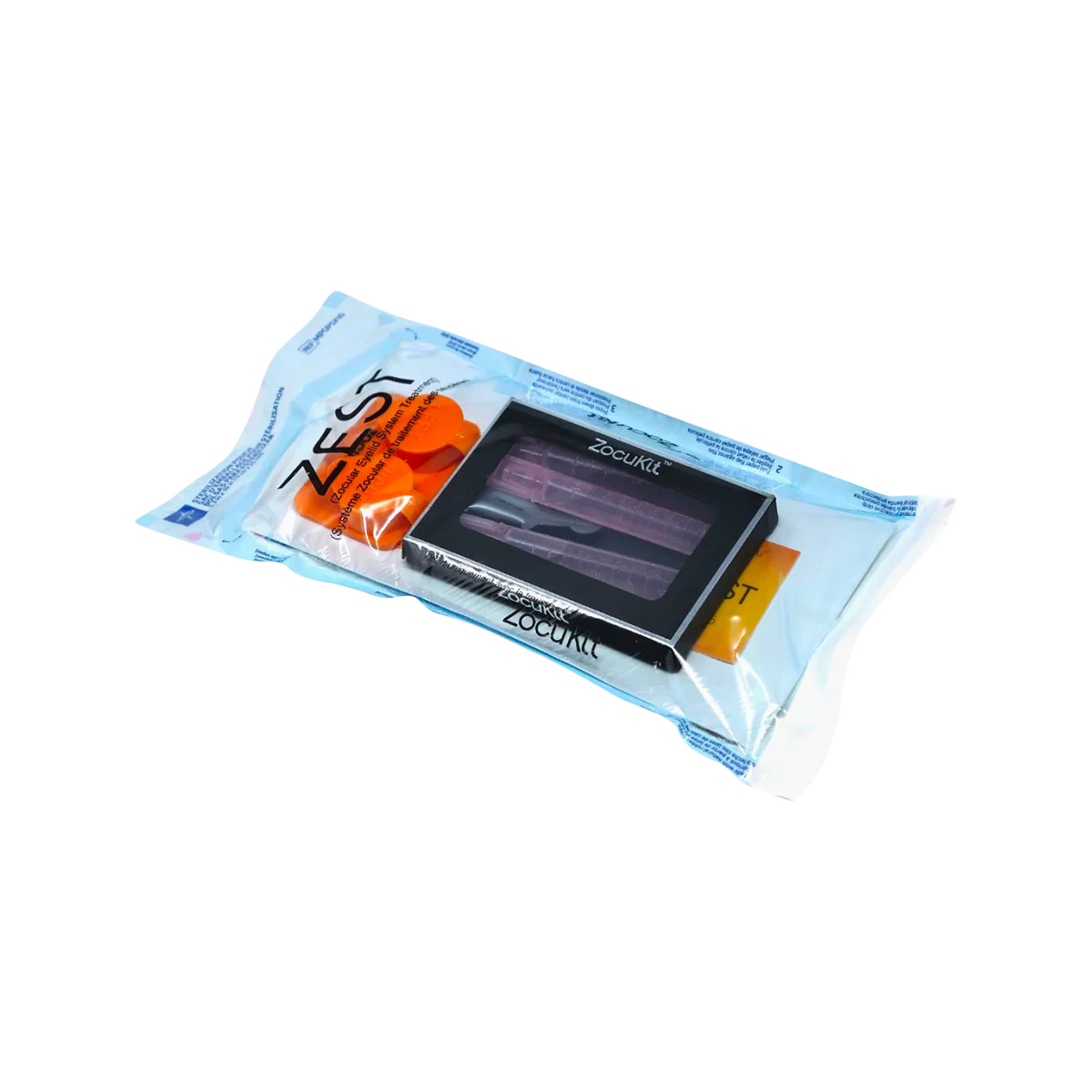
BlephEx works with a powered handpiece and single-use tips. ZEST uses an okra-based gel massaged into the lashes and lid margin, then rinsed off with saline.
Thermal treatment for MGD
LipiFlow heats the inner lid to 42.5°C and applies intermittent pressure through single-use Activators.
Grading and expressing glands
A handheld evaluator that presses with about the force of a blink to reveal which glands are secreting.
Punctal occlusion
Absorbable synthetic, collagen and extended-duration plugs that help conserve the patient's own tears.
Exam lane supplies
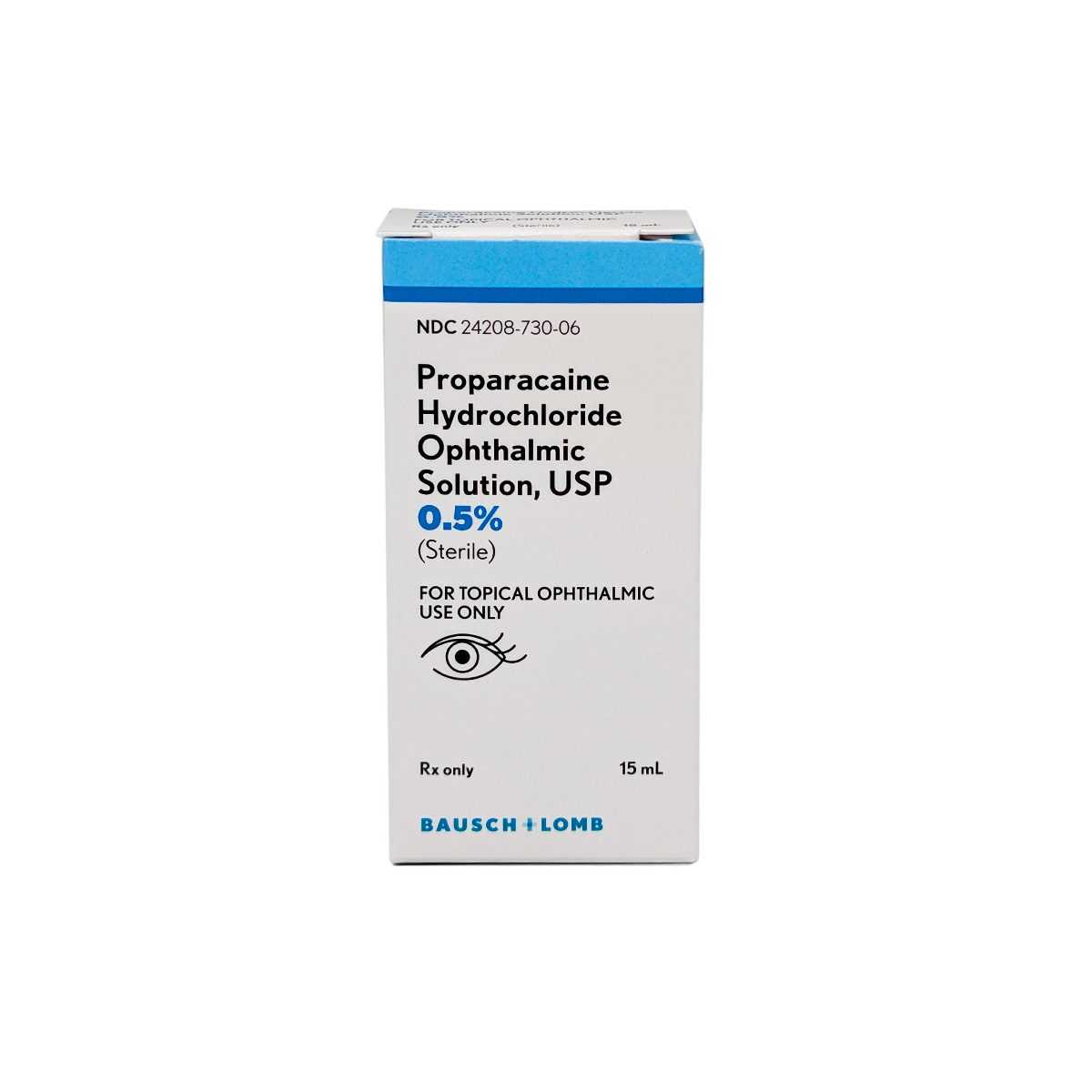
Anesthetic, fluorescein strips, irrigating retractors and lid everters for the exam lane.
Top sellers at wholesale.
Ordered by units sold, so the first cards are the supplies practices come back for most.
ZEST In-Office Lid Treatment Kit (Zocular)View product
InflammaDry Test Kit (20)View product
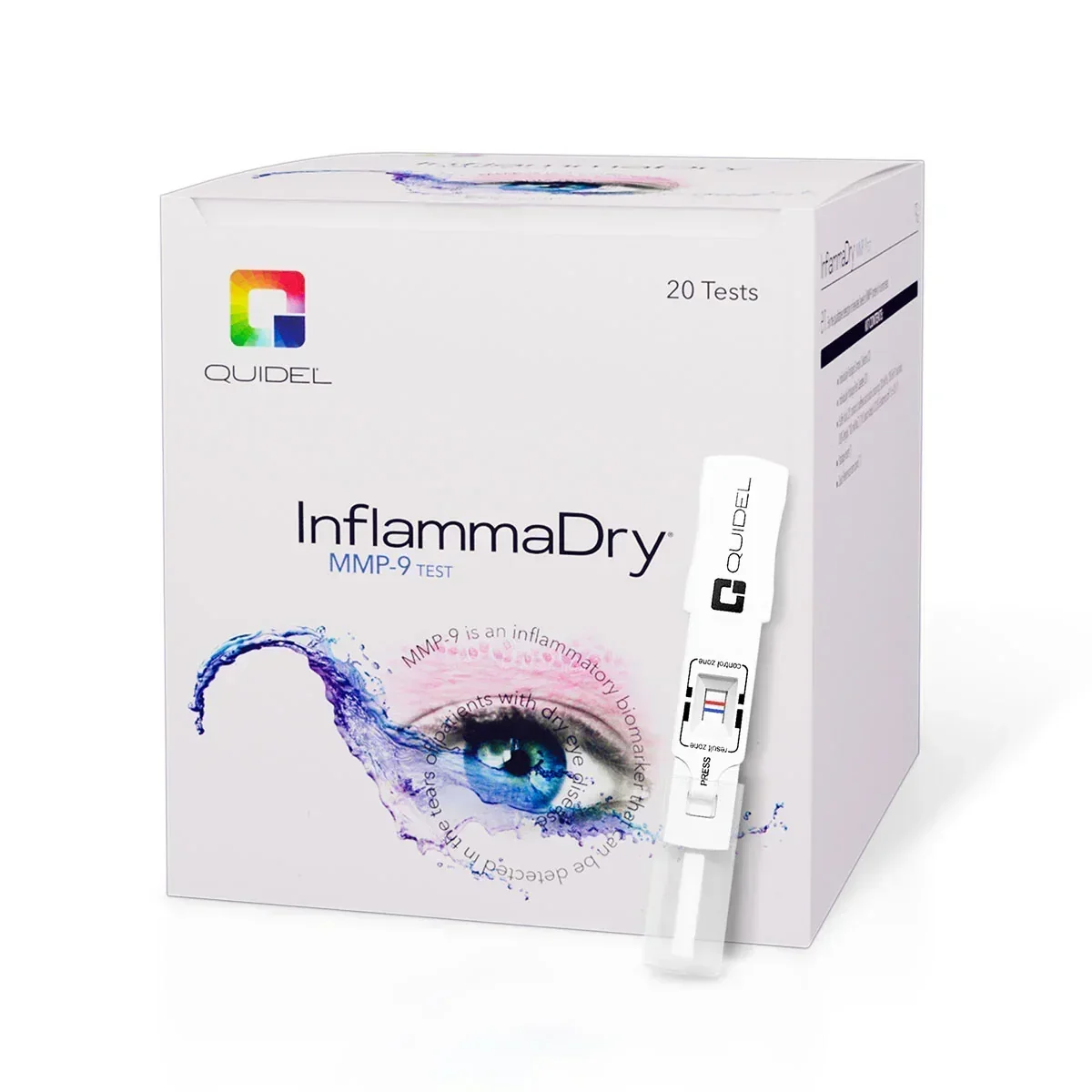
InflammaDry MMP-9 Case, 160 testsView product
Proparacaine HCl 0.5% Drops, 15 mLView product
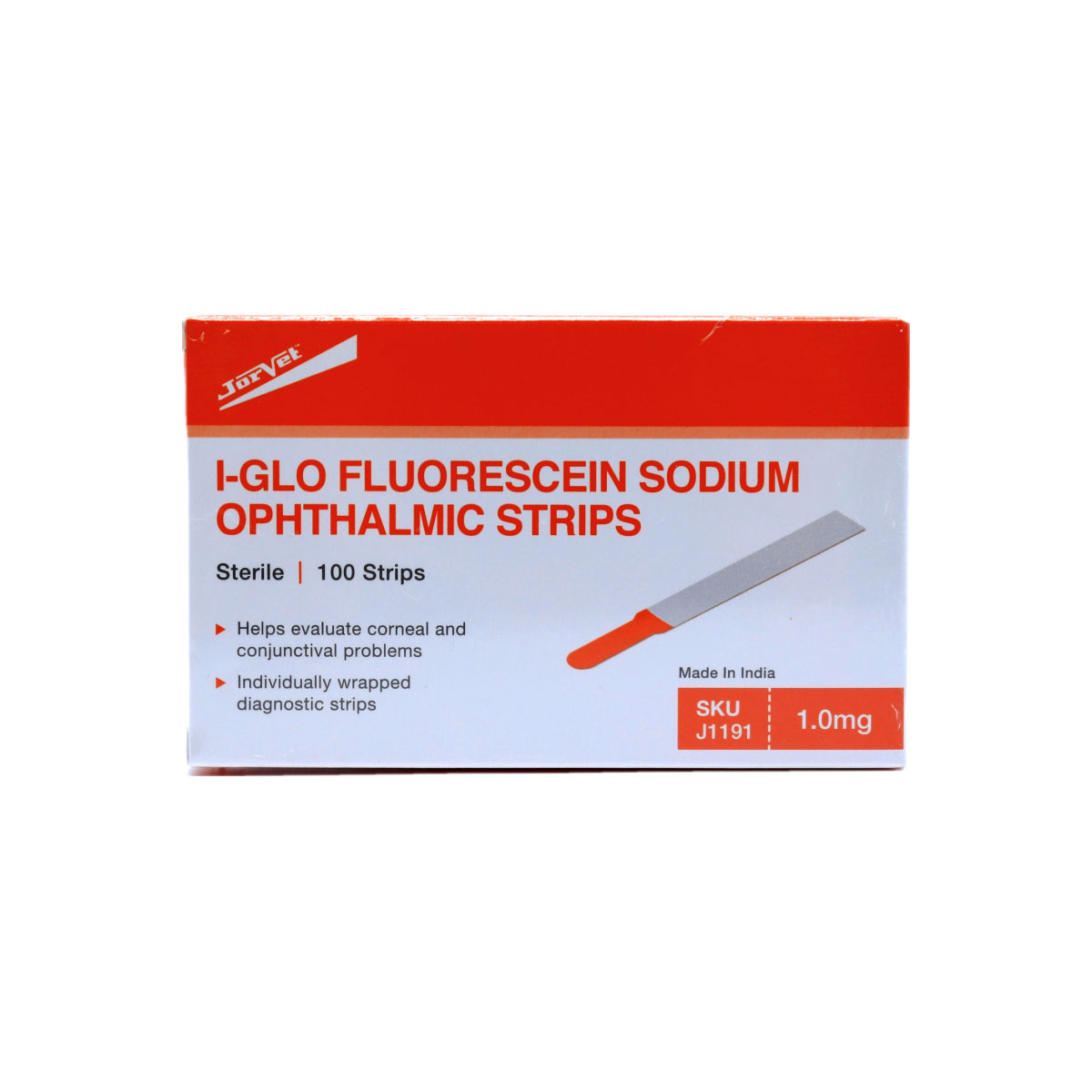 Fluorescein Sodium StripsView product
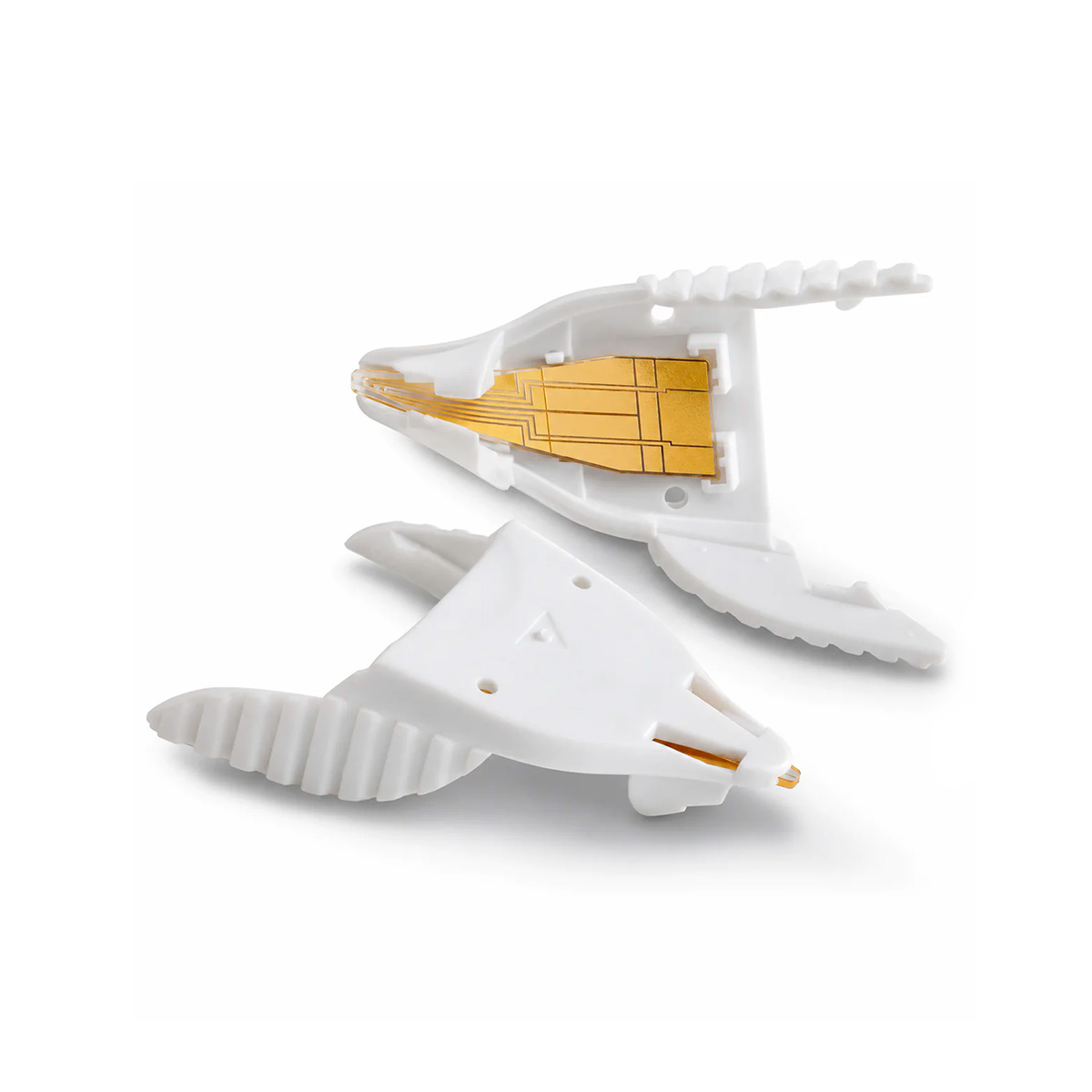 ScoutPro Osmolarity Cards (42)View product
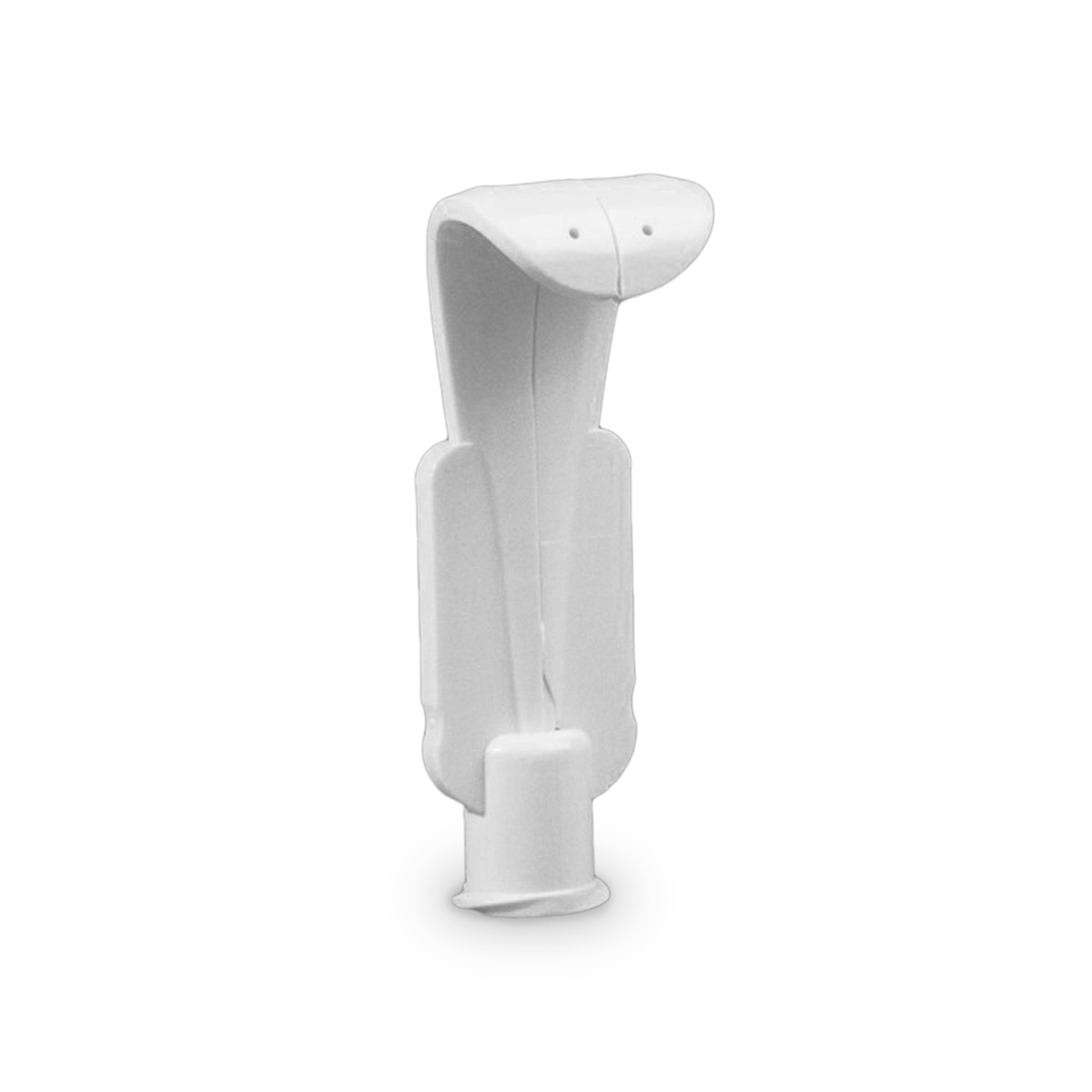 Rinsada Irrigating Lid RetractorView product
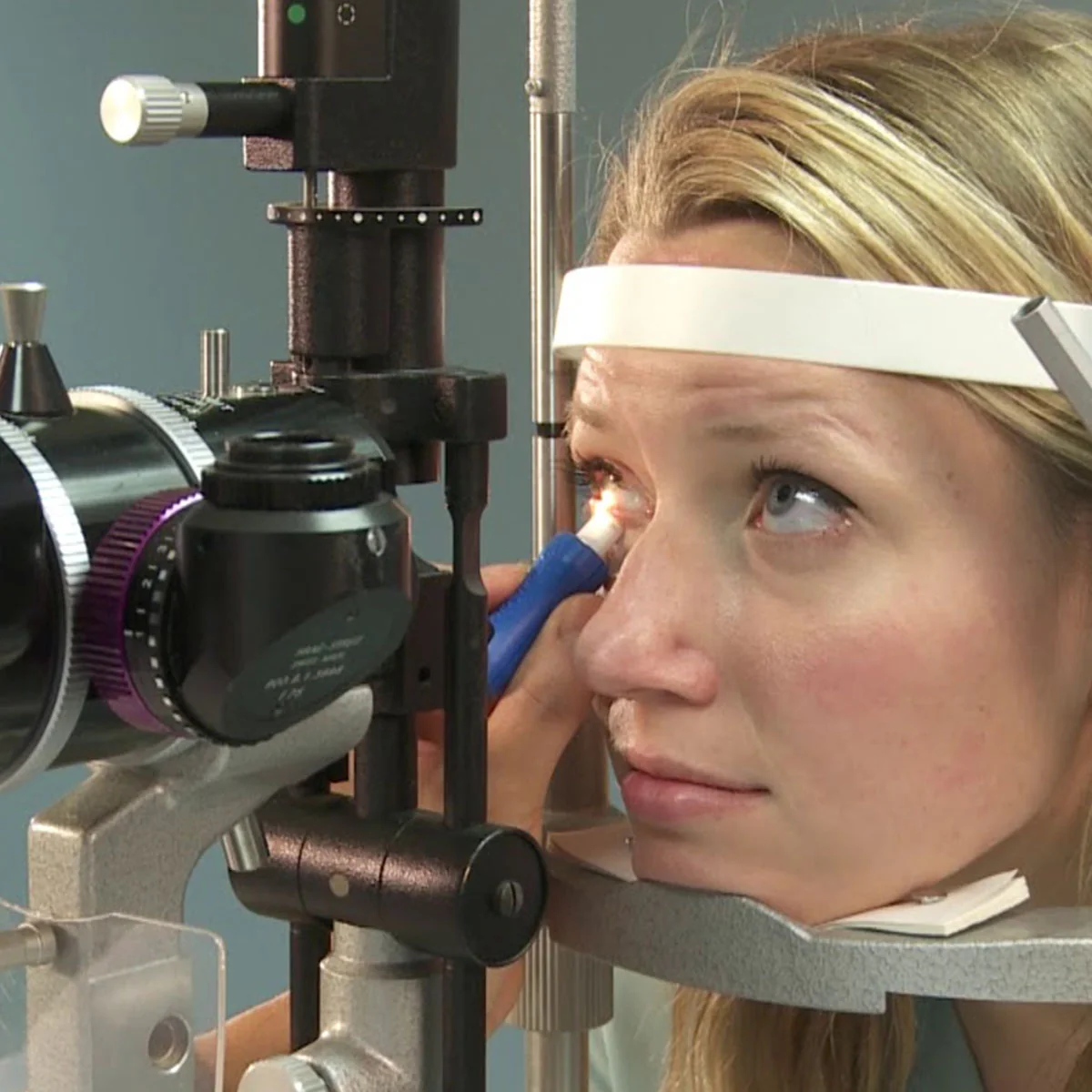 MGE Meibomian Gland EvaluatorView product
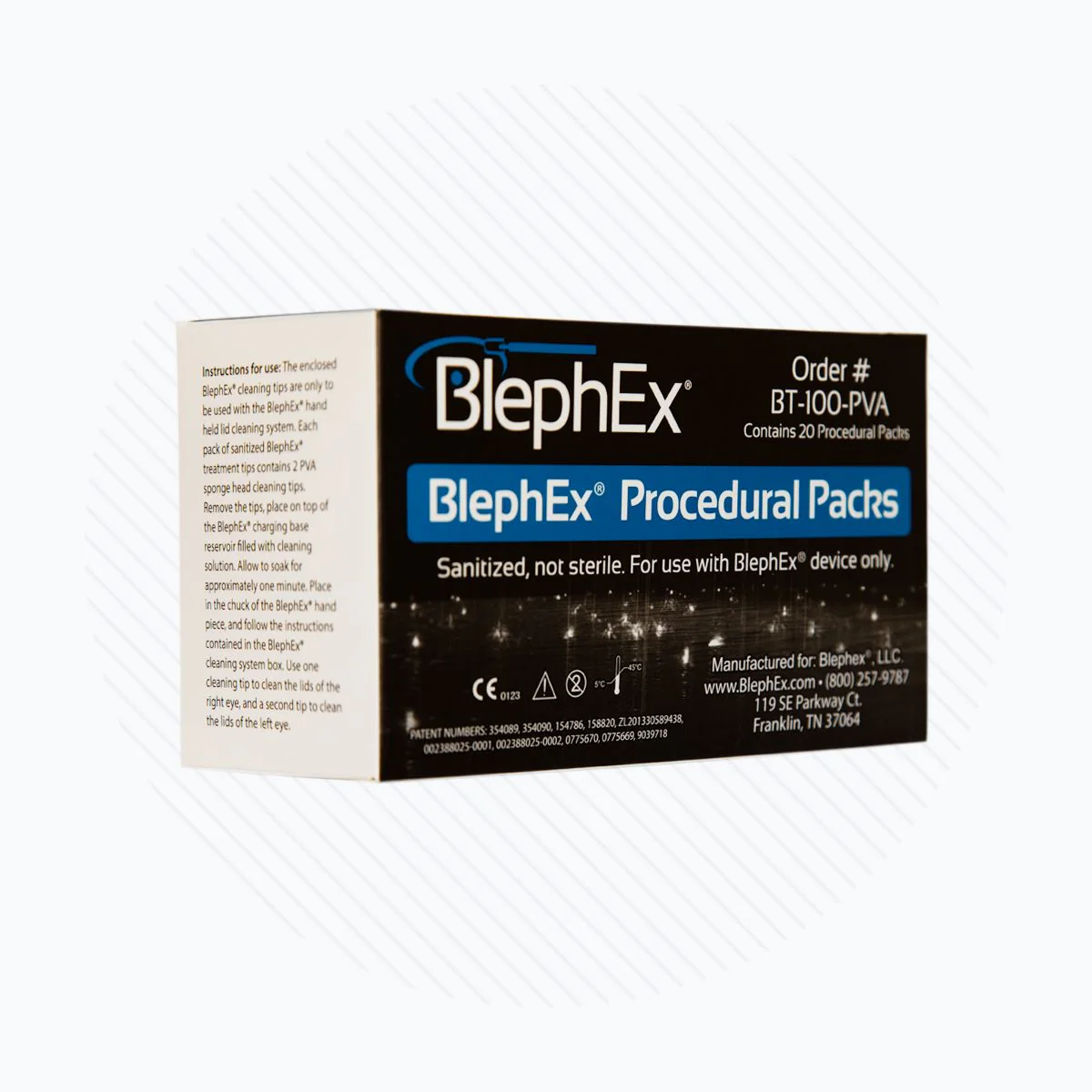 BlephEx Tip Packs, box of 20View product
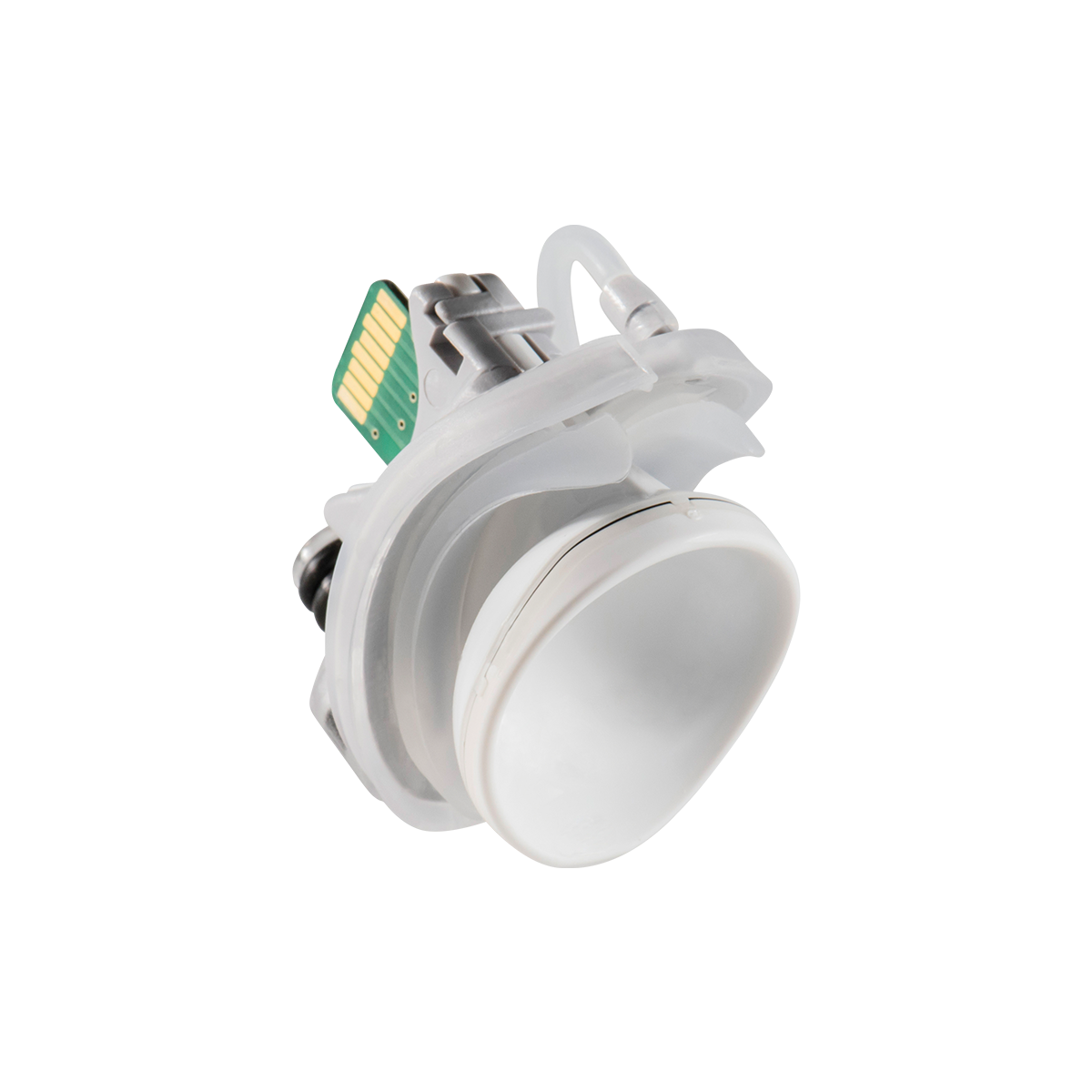 LipiFlow Activator Clear (1)View product
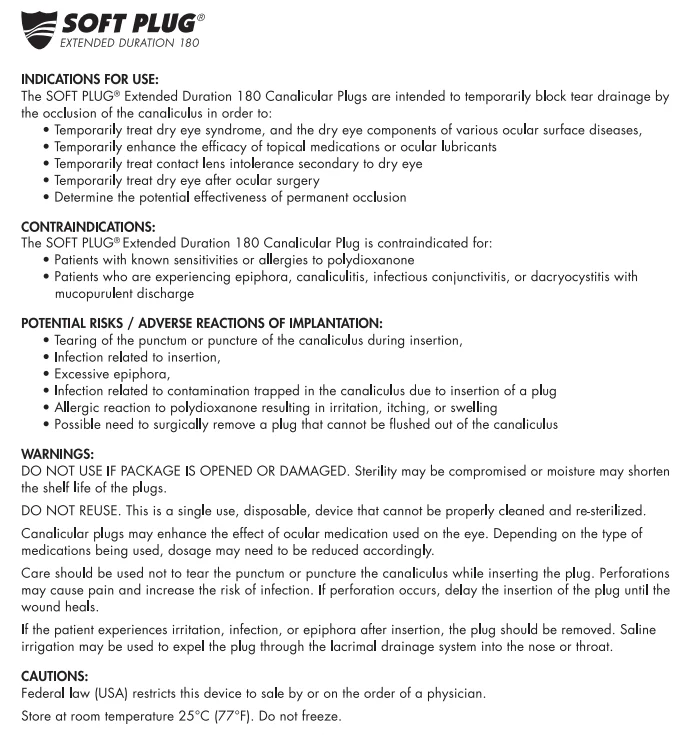 Oasis SOFT PLUG 180-Day PlugsView product
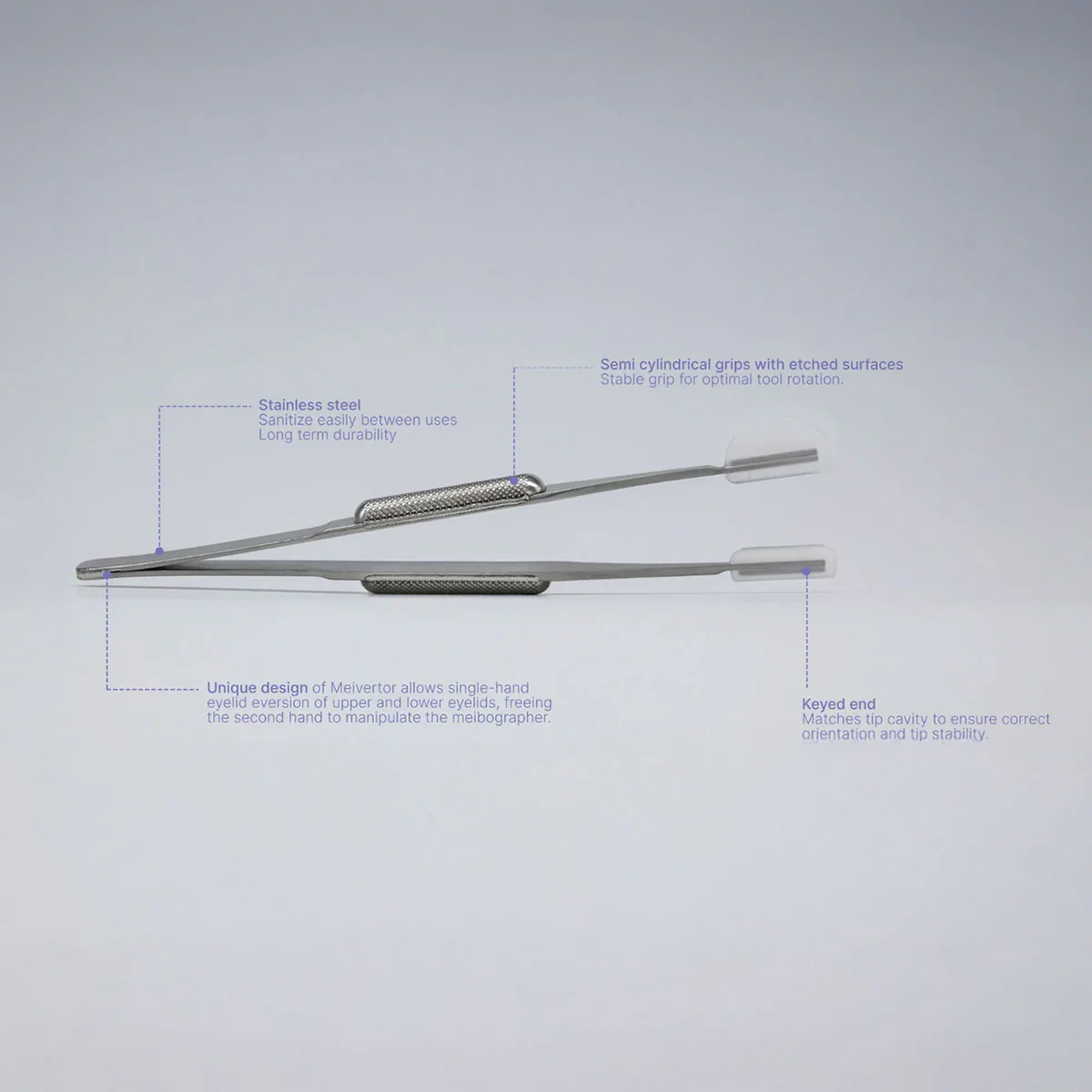 Meivertor Starter KitView product
From procedure to device to consumable.
What each procedure requires, and the consumable that makes it repeatable.
| Procedure | Device | Consumable on our shelf |
|---|---|---|
| Confirming surface inflammation | No instrument needed for InflammaDry | InflammaDry 160-test case and 20-pack, plus a control set for quality control |
| Measuring tear osmolarity | ScoutPro Osmolarity System | ScoutPro test cards in a 168-card case or 42-pack |
| Lid cleaning in the office | ZEST, no device required | ZEST in-office kits |
| Lid margin cleaning by handpiece | BlephEx handpiece | BlephEx procedural packs, two tips per patient |
| MGD thermal pulsation | LipiFlow Thermal Pulsation System | Single-use LipiFlow Activator Clear |
| Evaluating the glands | Meibomian Gland Evaluator | Reusable, no consumable |
| Punctal occlusion | Insertion forceps | Synthetic, collagen and extended-duration plugs |
Handle, store and run quality control on each product according to its instructions for use.
Keep a short shelf and route the rest.
Stock the fast movers patients pick up at checkout and route everything else through RescueLink. Nothing slow sits on your shelf, and the refill comes back to your practice.
On your shelf
- ScoutPro cards and InflammaDry tests on a standing reorder
- BlephEx tips or ZEST kits for lid cleaning
- Anesthetic, fluorescein strips and plugs
Through RescueLink
- Home regimen products for each procedure patient
- Drop, lid hygiene and heat refills on auto-ship
Run the test before treating, and show the patient the result. An objective number changes "your eyes are dry" into something the patient can see, and that is often what separates a plan that gets followed from one that gets forgotten.
Questions doctors ask
Why begin with point-of-care testing?
An objective result can guide treatment and often makes the plan easier for patients to accept. InflammaDry turns positive when MMP-9 reaches 40 ng/mL or more, with results in 10 minutes.
Does InflammaDry only point to dry eye?
No. MMP-9 marks surface inflammation in general, so interpret it together with your exam.
Does in-office lid cleaning replace home cleansers?
No, the two work together. Cleaning in the office resets the margin, and daily hygiene at home helps keep it there.
Where does thermal pulsation fit in?
It is an option when home heat has not opened obstructed glands. LipiFlow is cleared for localized heat and pressure therapy in adults with MGD.
How does the consumable model work?
You purchase the device once and restock the per-patient consumable, which is what keeps the procedure repeatable.
What should patients use at home after a procedure?
Route the home regimen through RescueLink so drops, heat and lid hygiene arrive at the patient's door, giving the result its best chance of lasting between visits.
Clinical review
Reviewed by the Medical Advisory Panel, a group of eye care professionals who focus on dry eye and ocular surface disease. Vision Rescue is a licensed pharmaceutical wholesale distributor.
Notes and disclosures
Written for licensed eye care professionals. This guide does not replace clinical diagnosis or treatment, and every decision stays with the treating provider. The groupings and patient-fit notes are a framework only. Use each product according to its current label.
Equip the exam room.
Order at wholesale, and use RescueLink to send patients the exact product between visits.