







Clinical product guide
Dry eye product protocols from exam finding to home plan.
A finding is only the start. Turning what you saw at the slit lamp into a short home regimen, built around the main driver and set to reorder automatically, gives the patient a plan they can actually follow.
Quick answer
Build around the main driver.
Protocols tend to work best when they open with the main driver and a single base drop chosen for it. A lid or heat step covers blepharitis or MGD, nutrition adds long-term support, and every item is either stocked or routed. Put in writing with the recheck already booked, it becomes a plan the patient is more likely to stick with.
In short
- Aqueous-deficient and evaporative dry eye frequently overlap, so many patients do better with more than one product.
- Treating the main driver first often makes the rest easier to read at the recheck.
- Three steps a patient keeps doing usually outperform six that are abandoned by week two.
- Choose stock or route for every item, and set recurring ones to auto-ship.
- Expect to adjust at follow-up, when the recheck shows what is working for that patient.
Six layers of a protocol.
Start at the base and build up. Each layer links to the guide or category behind it.
Base drop
A single drop chosen for the driver: preservative-free when it is used often, lipid-based for evaporative dry eye and MGD.
Lid step
Hypochlorous acid for everyday cleansing, or tea tree when collarettes suggest Demodex.
Heat step
A moist heat mask every day, plus in-office expression when glands stay blocked.
Night step
A bedtime ointment, adding a sleep shield or lid closure patch if the lids do not close.
Nutrition layer
An omega as a long-term add-on, plus carotenoids where macular support makes sense.
In-office step
Point-of-care tests, lid cleaning and thermal treatment for when home care falls short.
Top sellers at wholesale.
Ordered by units sold, so the first cards are the products practices come back for most.
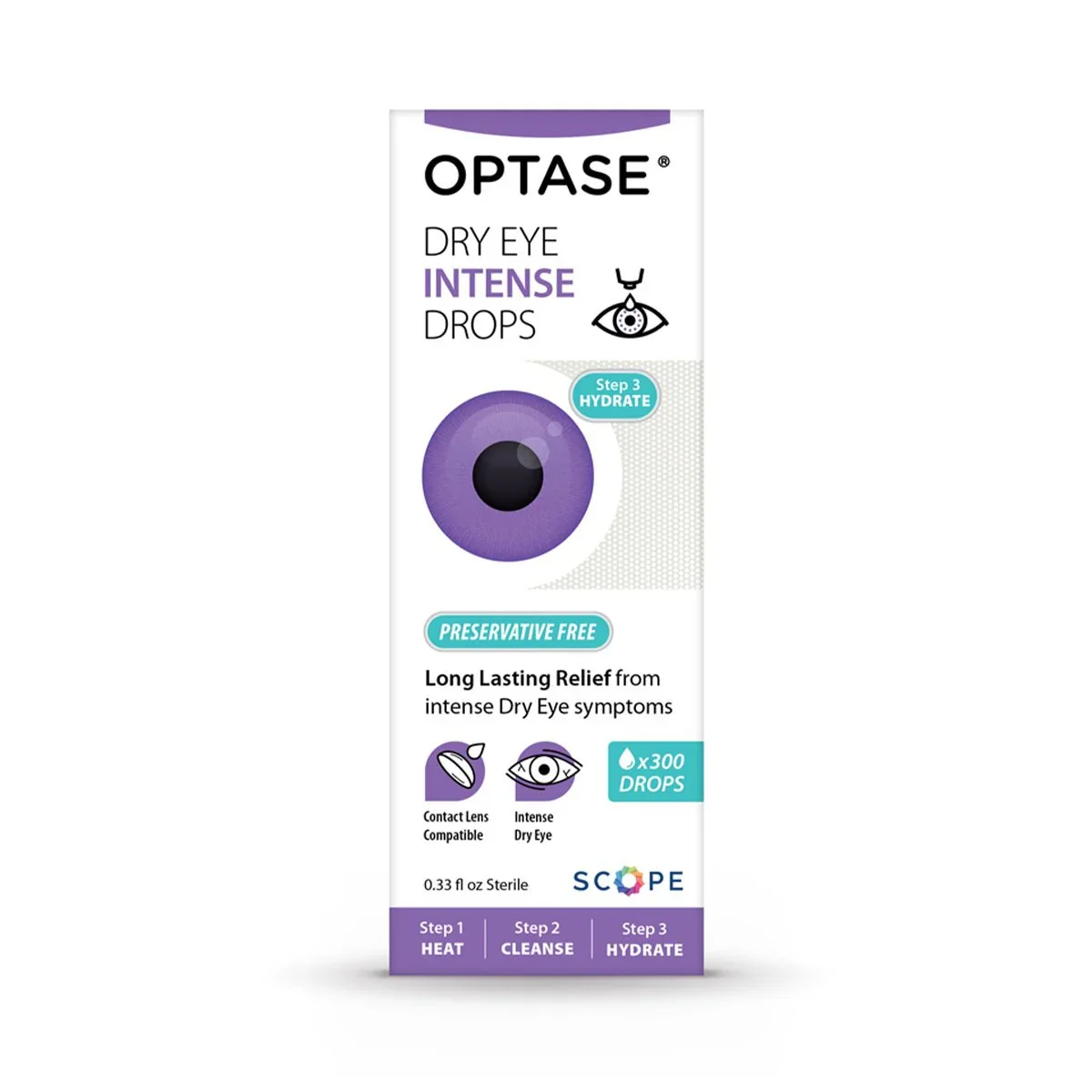
Optase Intense PF Eye DropsView product
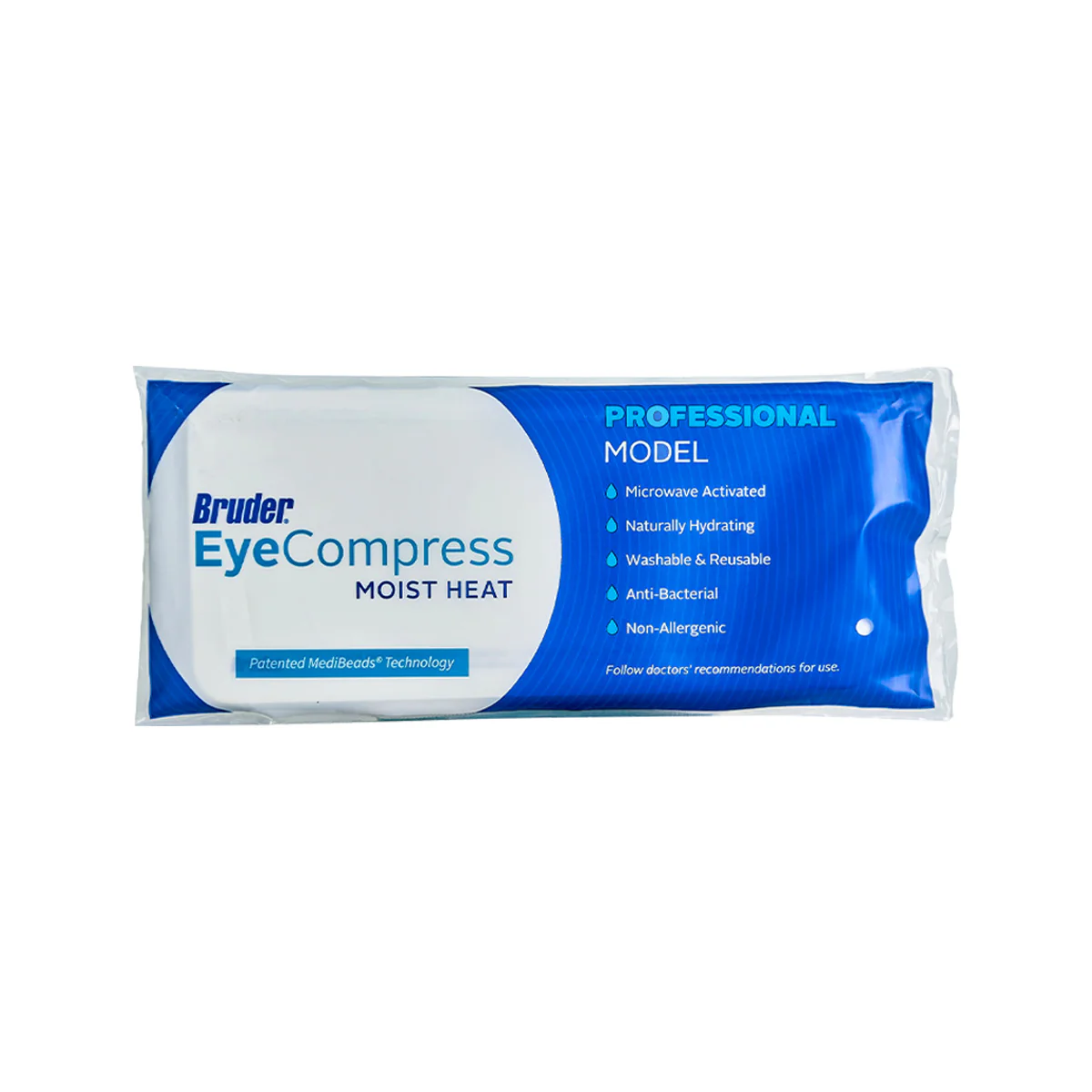
Bruder Moist Heat Compress (both eyes)View product
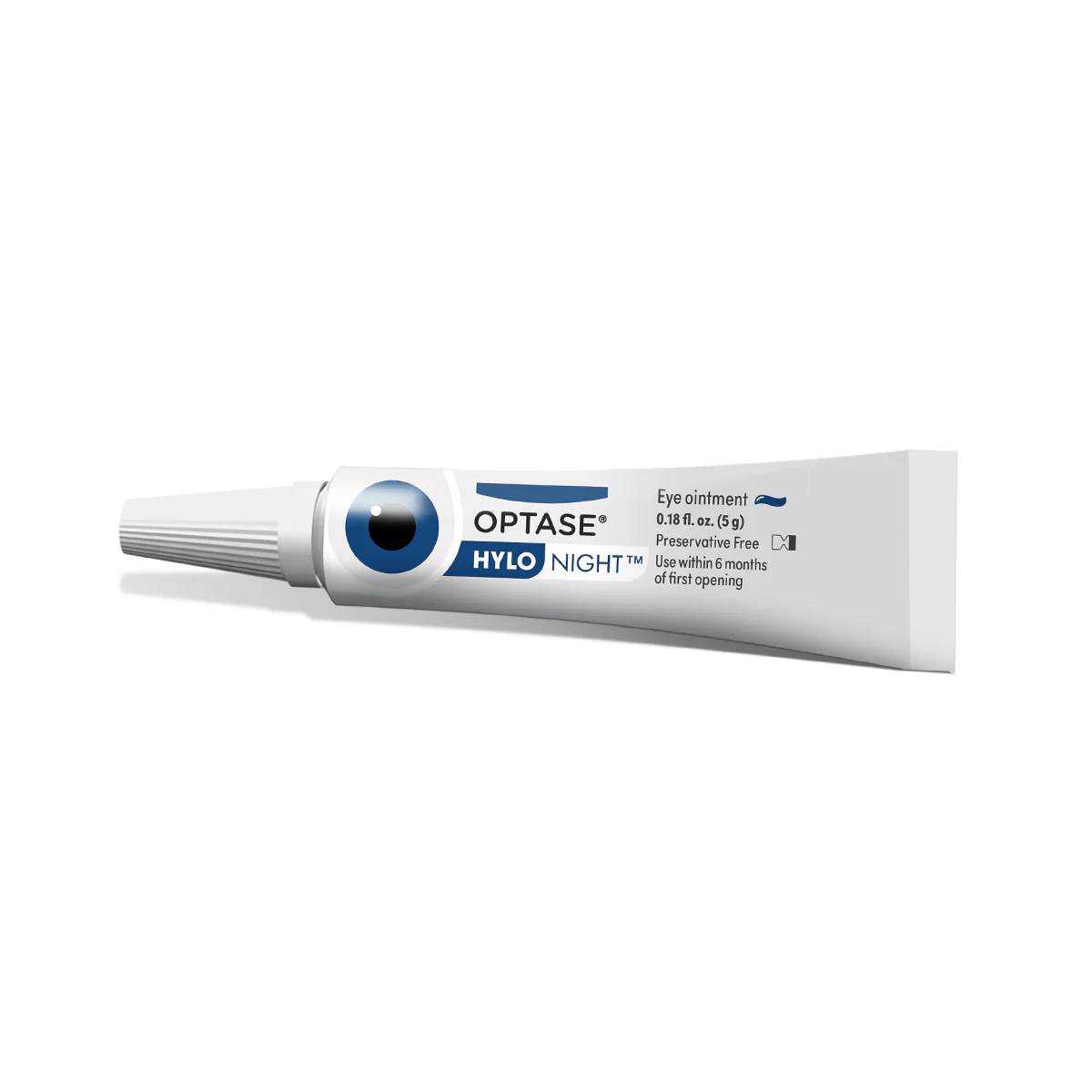
Optase Hylo Night PF OintmentView product
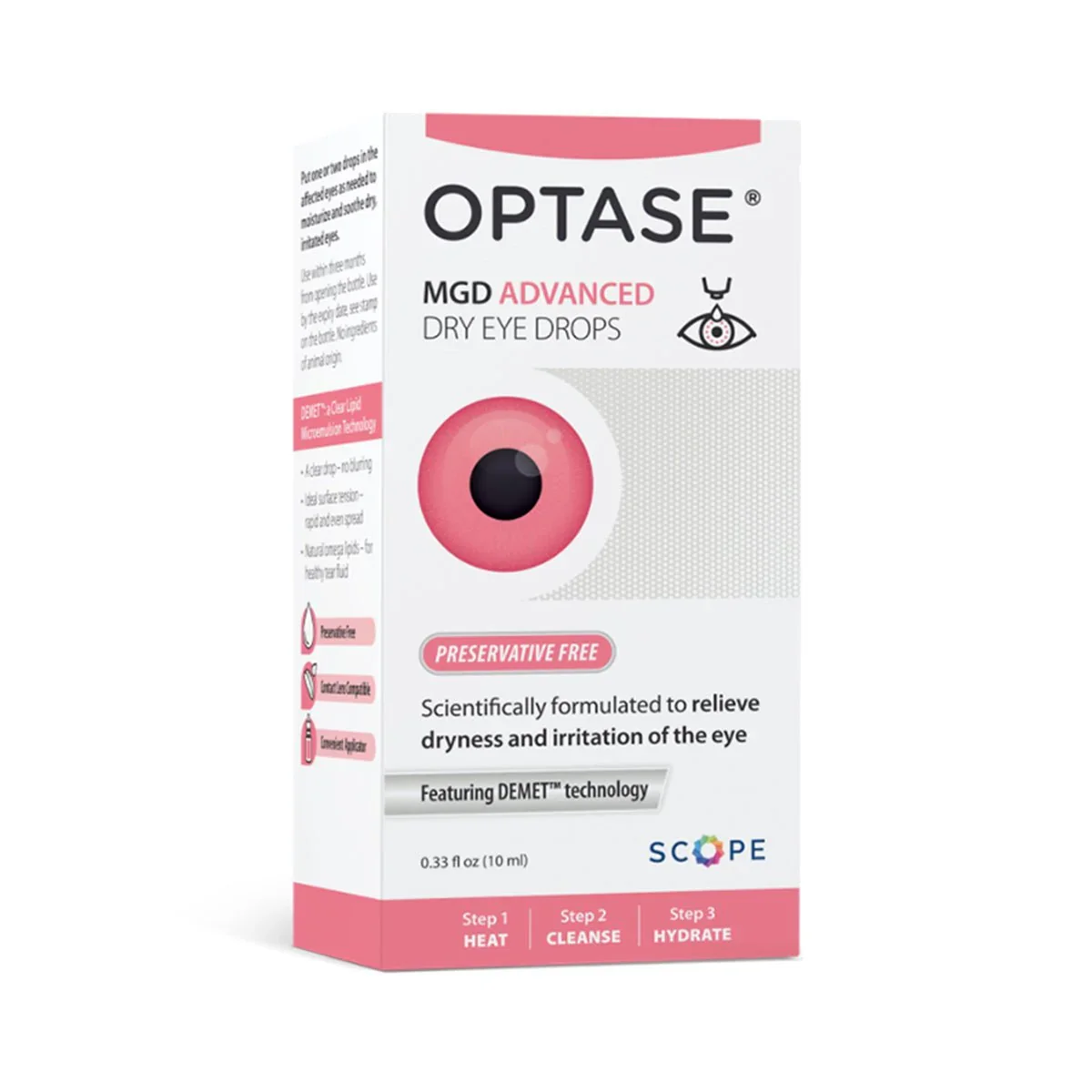
Optase MGD Advanced PF DropsView product
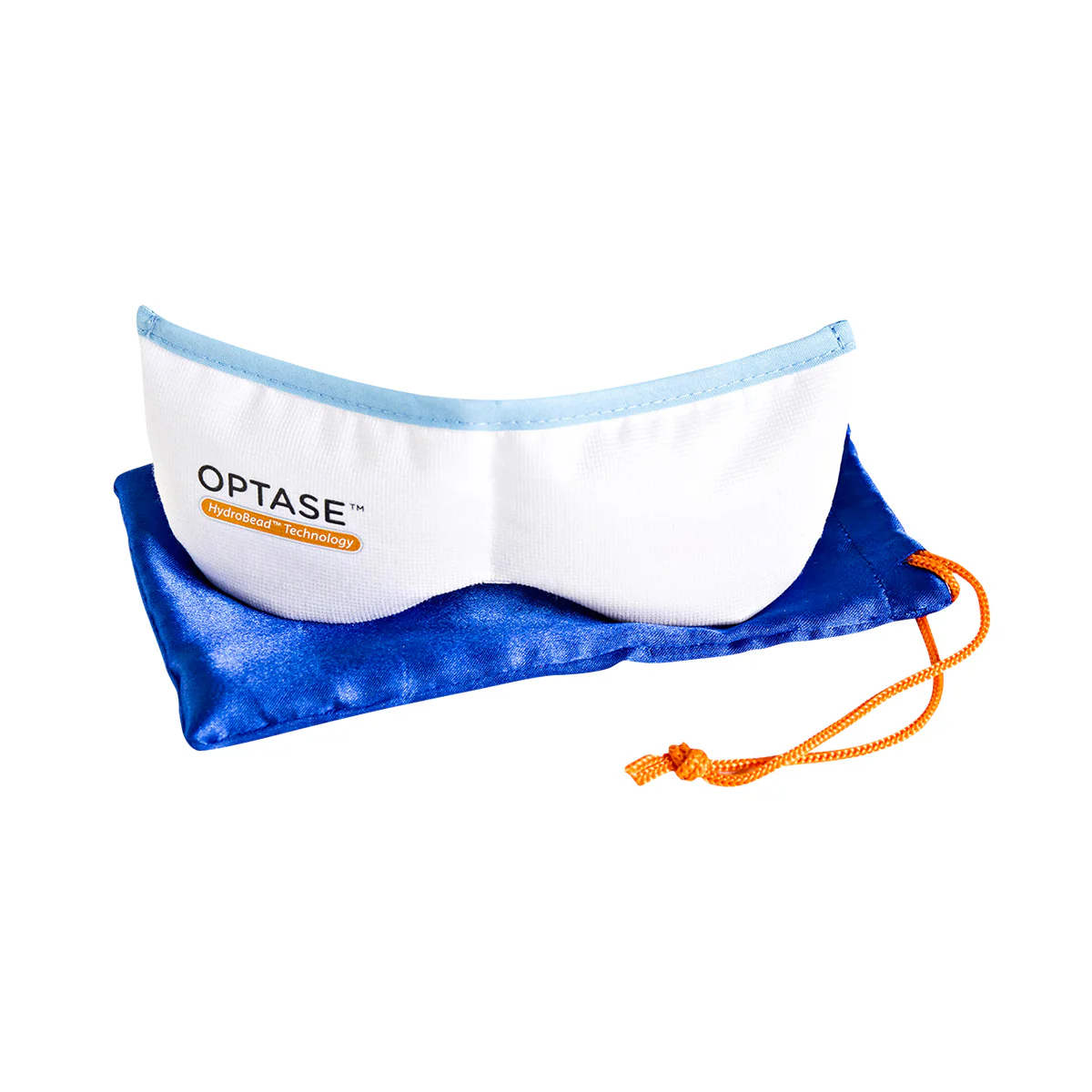 Optase Moist Heat Mask (microwave)View product
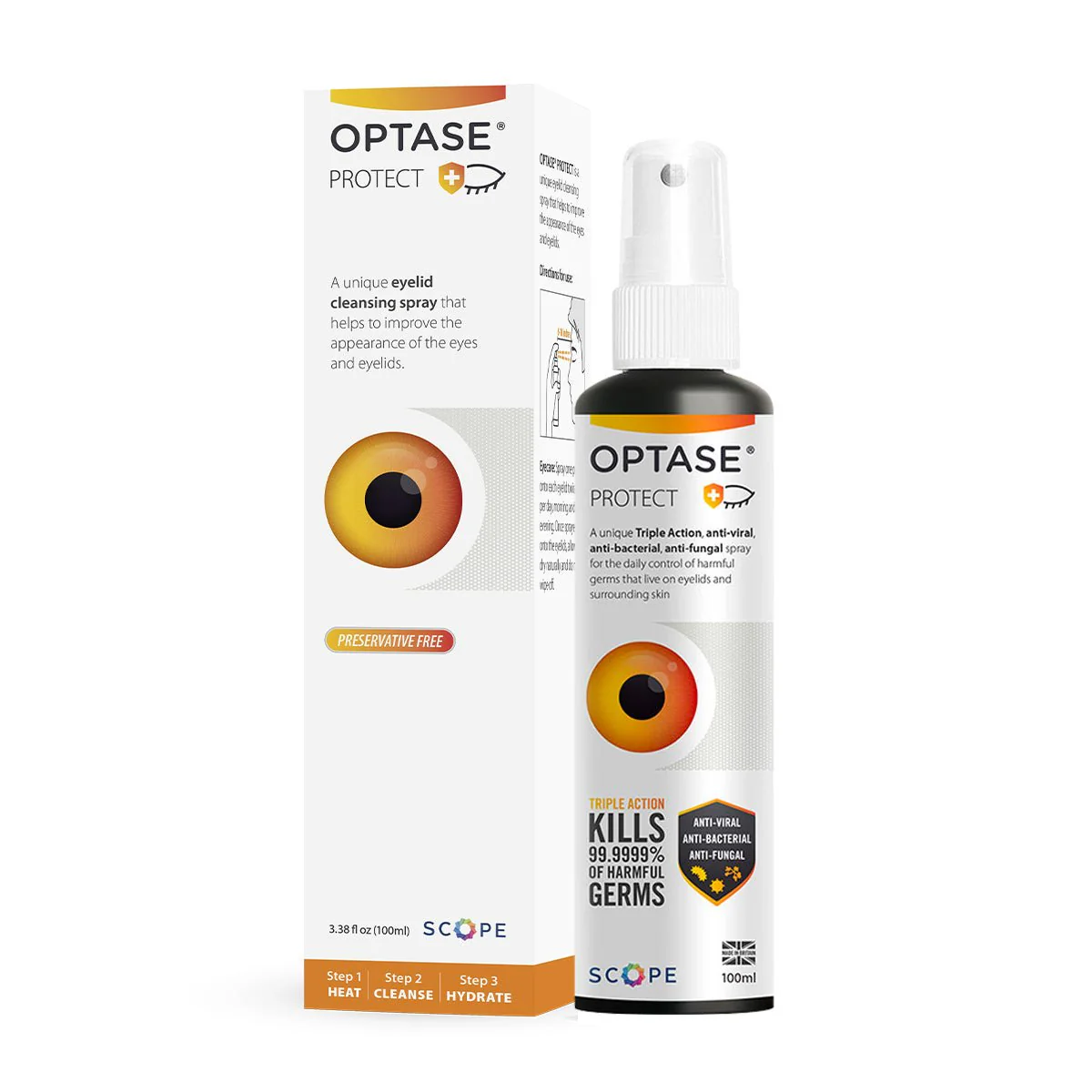 Optase Protect Hypochlorous Lid SprayView product
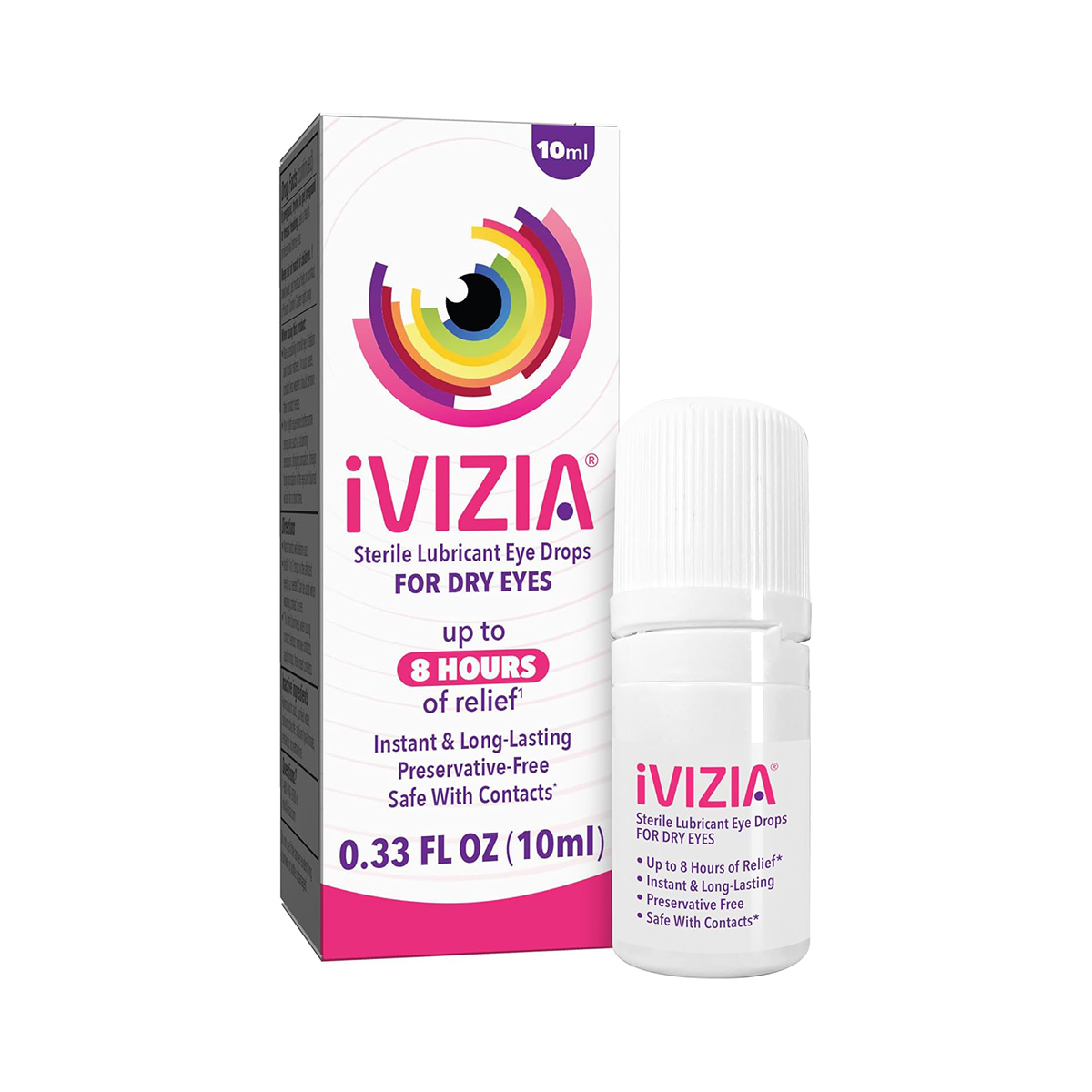 iVIZIA PF Lubricant Drops (10 mL)View product
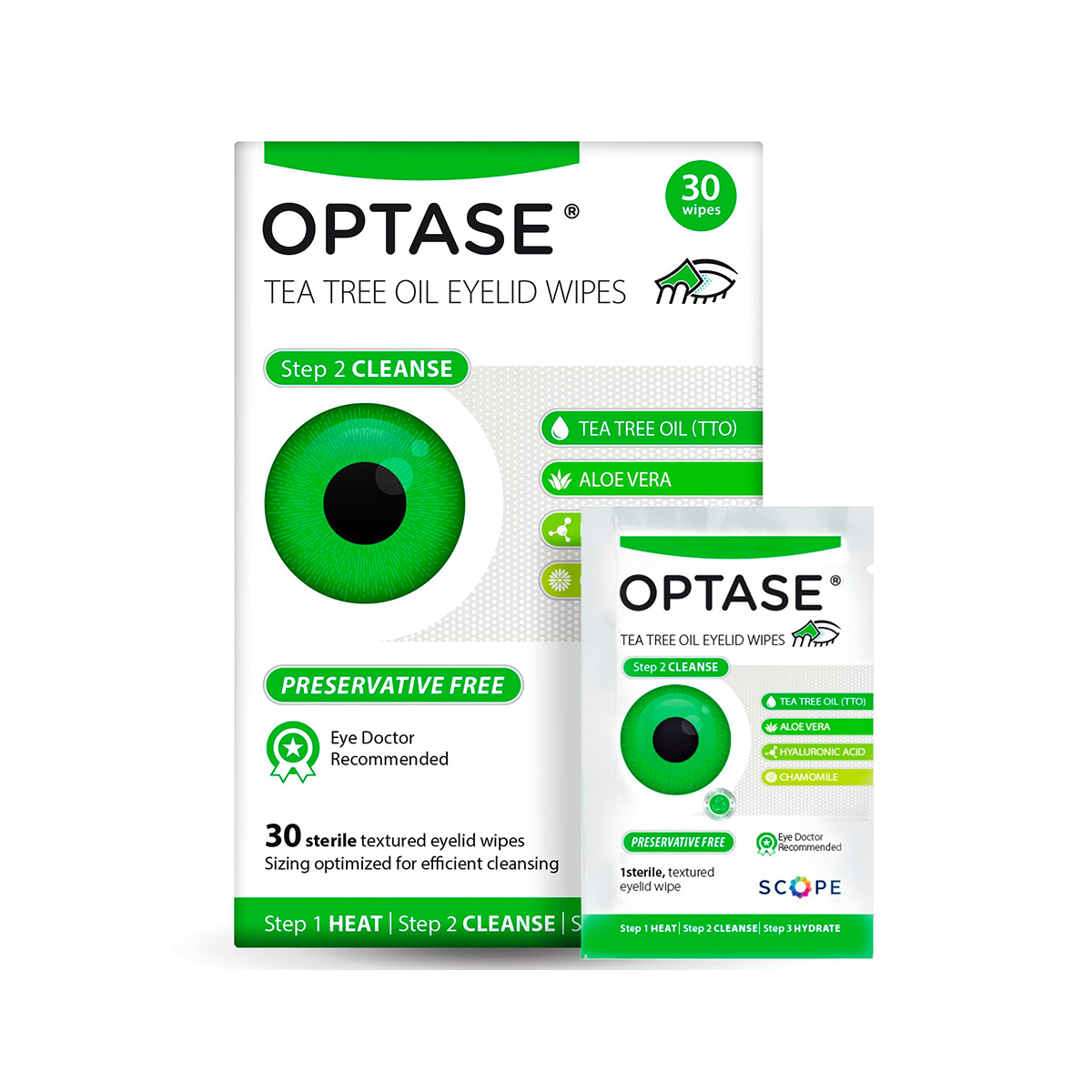 Optase Tea Tree Oil Lid Wipes (30)View product
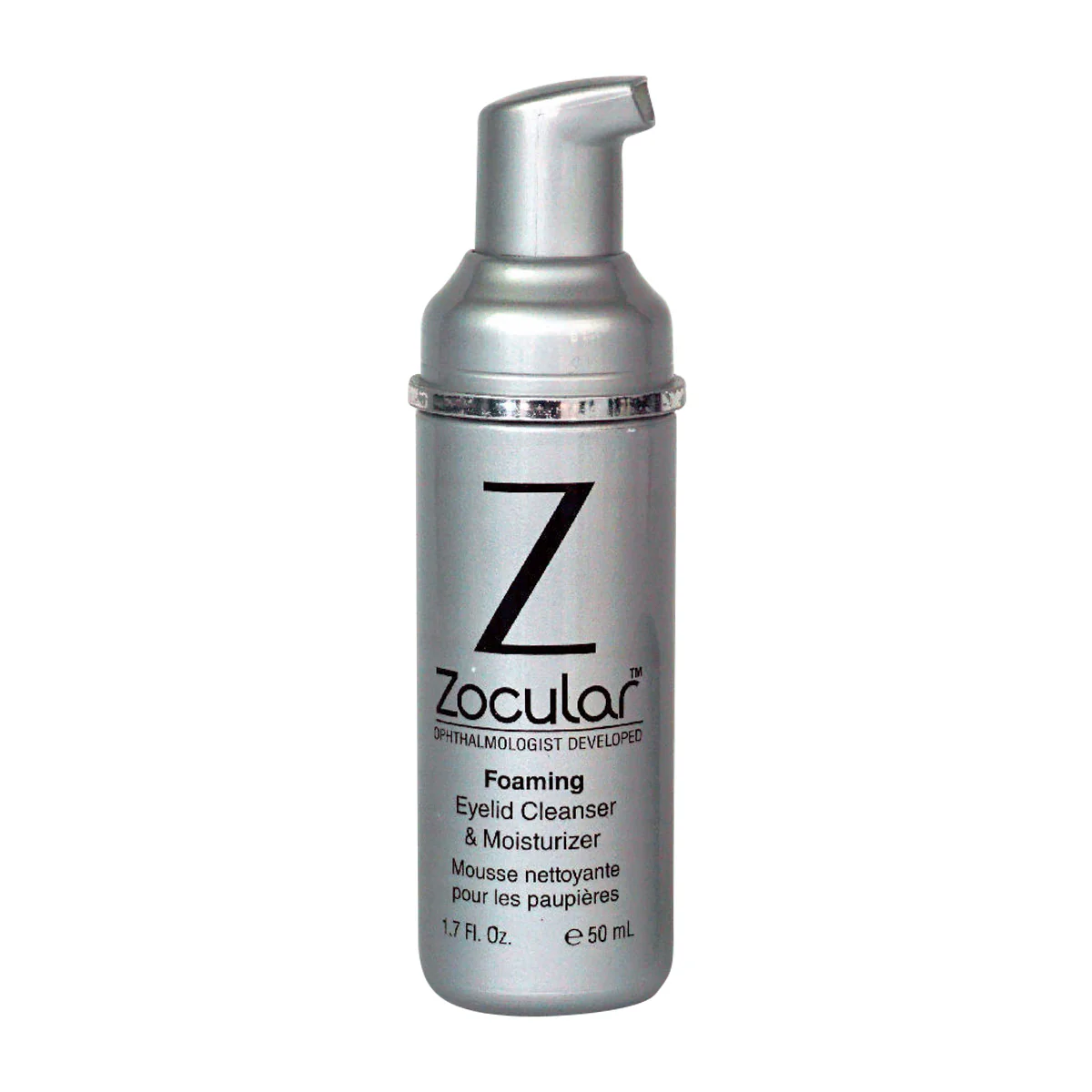 ZocuFoam Lid Cleanser FoamView product
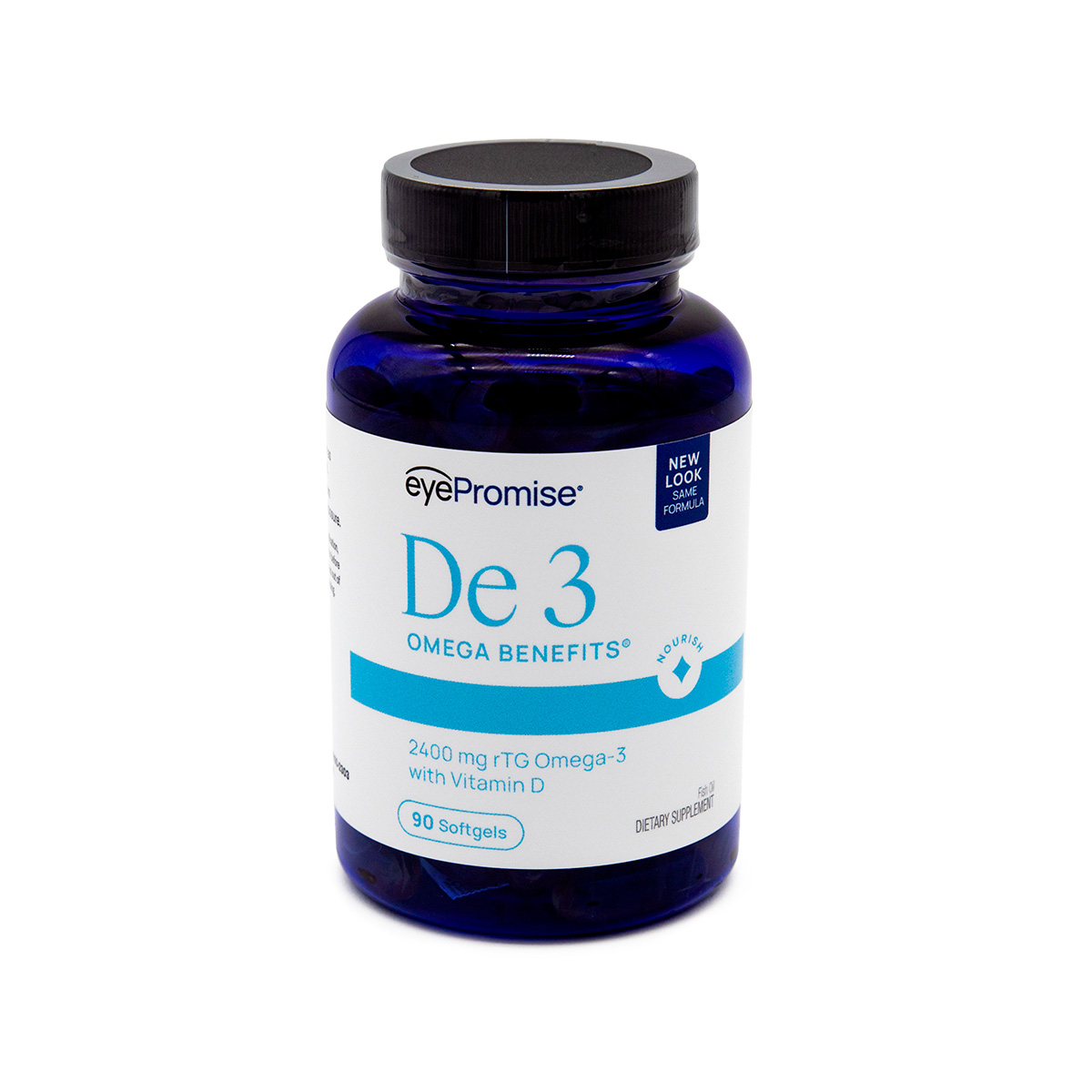 PRN De3 Dry Eye Omega SoftgelsView product
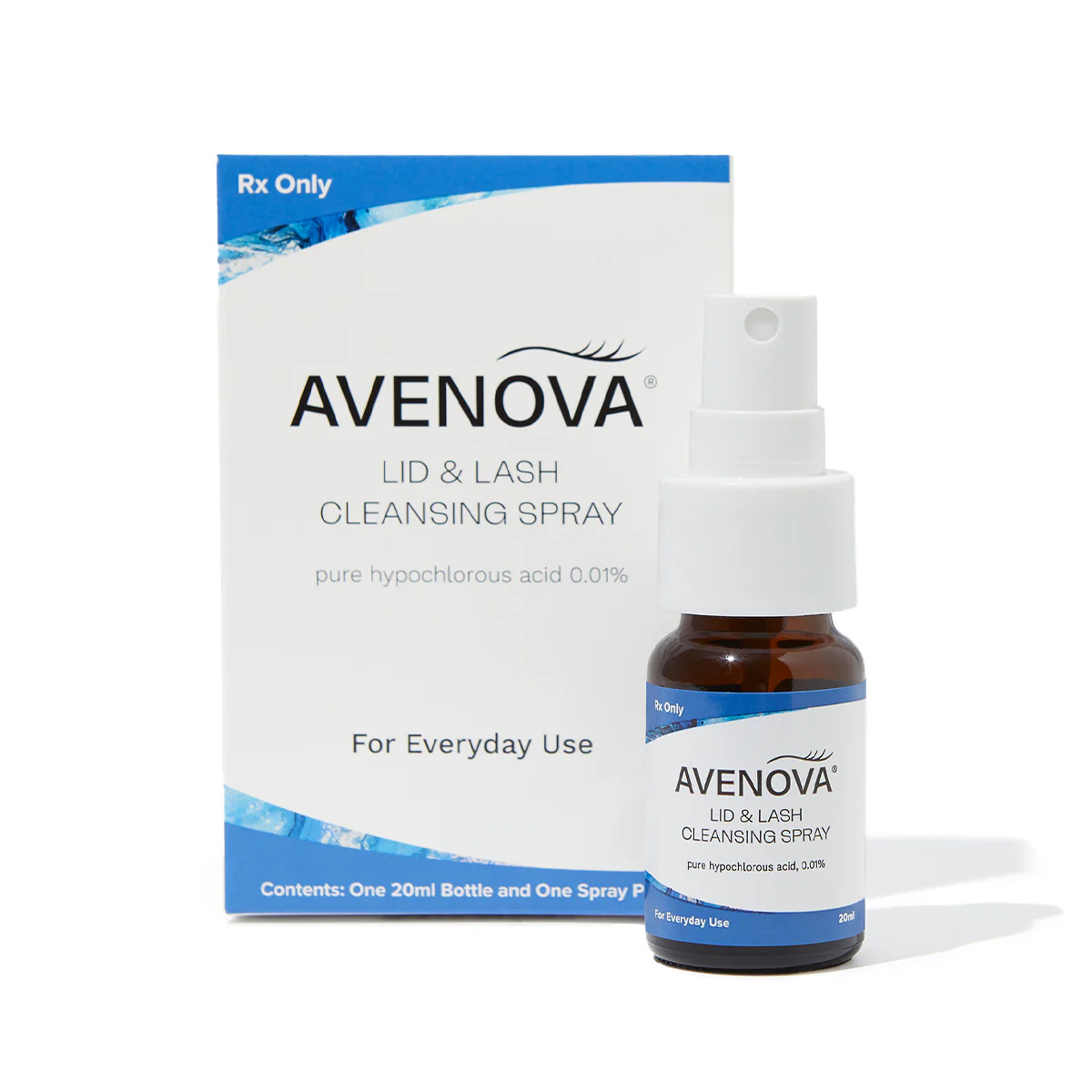 Avenova Hypochlorous Lid SprayView product
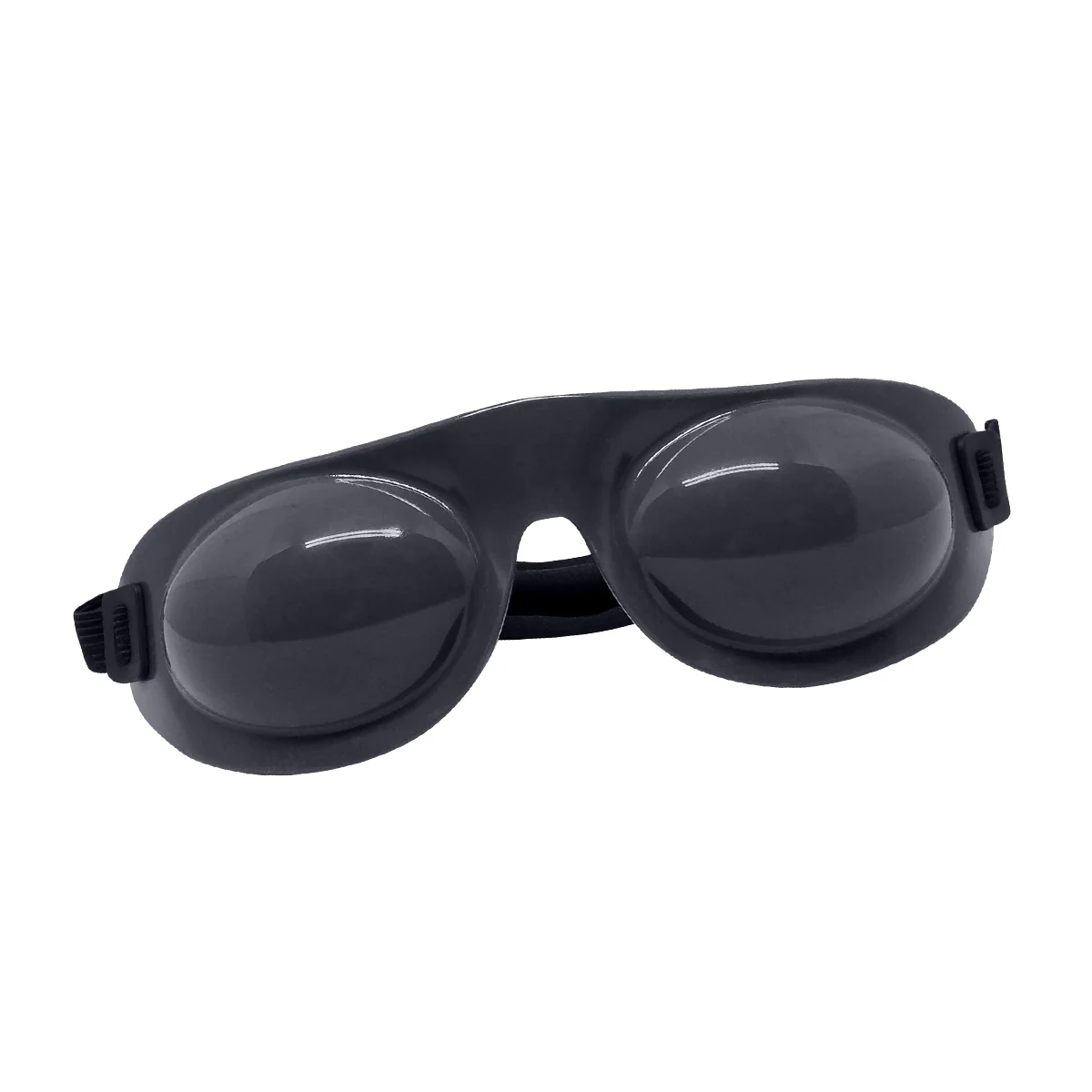 EyeEco Eyeseals 4.0 Sleep MaskView product
Starter protocols by pattern.
Starting templates only. Adjust for the eye in your chair.
| Pattern | Starter plan | Reach for |
|---|---|---|
| MGD and evaporative dry eye | Lipid drop, daily moist heat and an omega, plus lid hygiene if blepharitis is present | PRN De3, Optase Protect, Bruder Moist Heat Eye Compress, Optase MGD Advanced |
| Aqueous-deficient dry eye | Preservative-free hydration drop during the day, ointment at night, omega | iVIZIA or Optase Intense, Optase Hylo Night, PRN De3 |
| Anterior blepharitis | Daily hypochlorous acid, with a foaming cleanser for debris | Avenova or Optase Protect, OCuSOFT Lid Scrub or ZocuFoam |
| Collarettes, possible Demodex | Tea tree or terpinen-4-ol cleanser; consider XDEMVY; lid cleaning in the office | ZEST, Cliradex, Optase Tea Tree Oil Eyelid Wipes |
| Nighttime exposure | Ointment at bedtime with a sleep shield or lid closure patch | Optase Hylo Night, EyeEco Eyeseals 4.0, Nictavi lid closure patches |
| Contact lens wearer | Drop labeled for use with lenses, plus a lipid drop if evaporative | Optase MGD Advanced, Optase Intense, iVIZIA |
Fit each protocol to your exam, and check products against their current labels.
Keep a short shelf and route the rest.
Stock the fast movers patients pick up at checkout and route everything else through RescueLink. Nothing slow sits on your shelf, and the refill comes back to your practice.
On your shelf
- What patients leave with: a preservative-free drop, a heat mask and a hypochlorous spray
Through RescueLink
- The rest of the plan, sent in a single message
- Specialty items and bigger sizes
- Recurring items on auto-ship
The protocol that works is the one the patient sees through. If you are unsure, drop a step. You can add it back at the recheck once you know what the patient kept doing.
Questions doctors ask
Where do I begin when everything looks abnormal?
Identify the main driver and build from there. Treating it often calms the surface enough that the rest is easier to judge at the recheck.
How many products belong in a protocol?
Only as many as the real drivers need. Many patients end up with a base drop plus a lid or heat step, often alongside a nutrition layer.
Do I need to stock the entire protocol?
No. Keep what patients walk out with and route everything else through RescueLink, so nothing slow sits in inventory.
How do I keep patients on a plan with several steps?
Put it in writing, keep it brief, and set recurring items to auto-ship so refills do not rely on memory.
When should the recheck be?
Late enough that heat, lid hygiene and nutrition have had a fair trial. Use the visit to trim or add steps.
Can I send the full regimen in one go?
Yes. RescueLink sends the whole protocol in a single text or email, and the patient orders with one tap.
References (1)
- Craig JP, Nichols KK, Akpek EK, et al. TFOS DEWS II Definition and Classification Report. Ocul Surf. 2017;15(3):276-283. PubMed
Clinical review
Reviewed by the Medical Advisory Panel, a group of eye care professionals who focus on dry eye and ocular surface disease. Vision Rescue is a licensed pharmaceutical wholesale distributor.
Notes and disclosures
Written for licensed eye care professionals. This guide does not replace clinical diagnosis or treatment, and every decision stays with the treating provider. The groupings and patient-fit notes are a framework only. Use each product according to its current label.
Turn the exam into a plan.
Order at wholesale, and use RescueLink to send patients the exact product between visits.