








Practice Playbook
Starting a Dry Eye Service one booked patient at a time.
Skip the launch event. A new dry eye service proves itself on patients who already have appointments this month, before any money goes into shelves of product or a treatment device.
In one paragraph
Your schedule already holds the first cohort.
Screen at check-in, give every flagged patient the same short test-and-treat routine, and send each one out with a written plan. Hold a handful of products in the office, let RescueLink handle everything else, and log two numbers for the first 50: who says yes and who comes back for more.
Worth knowing
- No marketing budget is needed; symptomatic patients are on next week's book.
- Patients rarely volunteer dryness or grit unless someone asks them.
- Four or five products are enough for the opening order.
- Plans written in the chair and refills set before checkout are what make the routine stick.
- Yes rate and repeat-purchase rate tell you whether the model works.
Six moves for the first 50.
Each one fits inside a normal clinic day.
Spot the likely candidates
Heavy screen users, lapsed contact lens wearers, people on medications tied to dryness, and anyone who mentions burning or blur.
Ask one question at check-in
A validated form such as the DEQ-5 or OSDI, or even a single symptom question, surfaces people who would stay quiet.
Run one repeatable routine
Form, quick point-of-care testing, then a treatment call while the patient is still seated, in that order every time.
Keep the opening order small
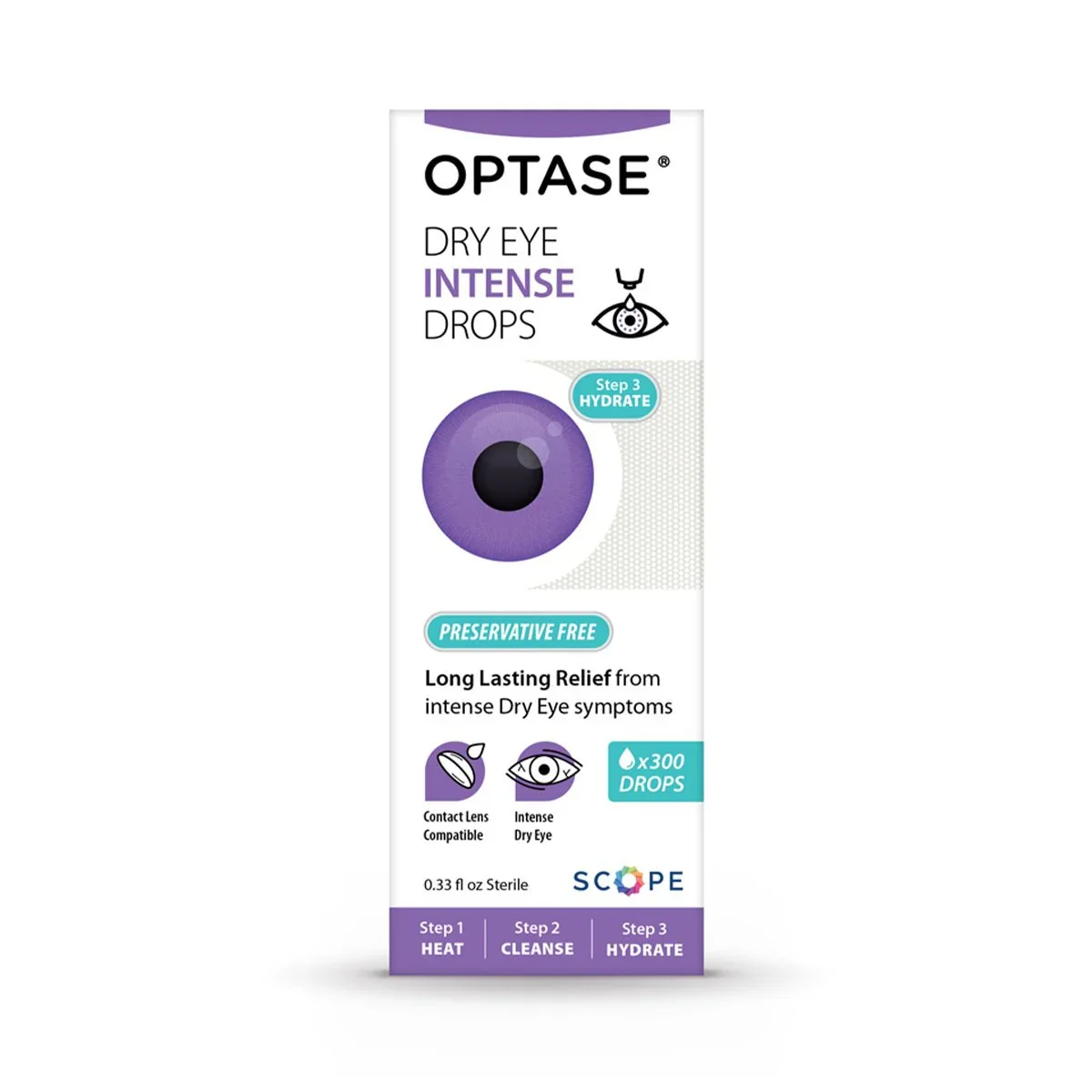
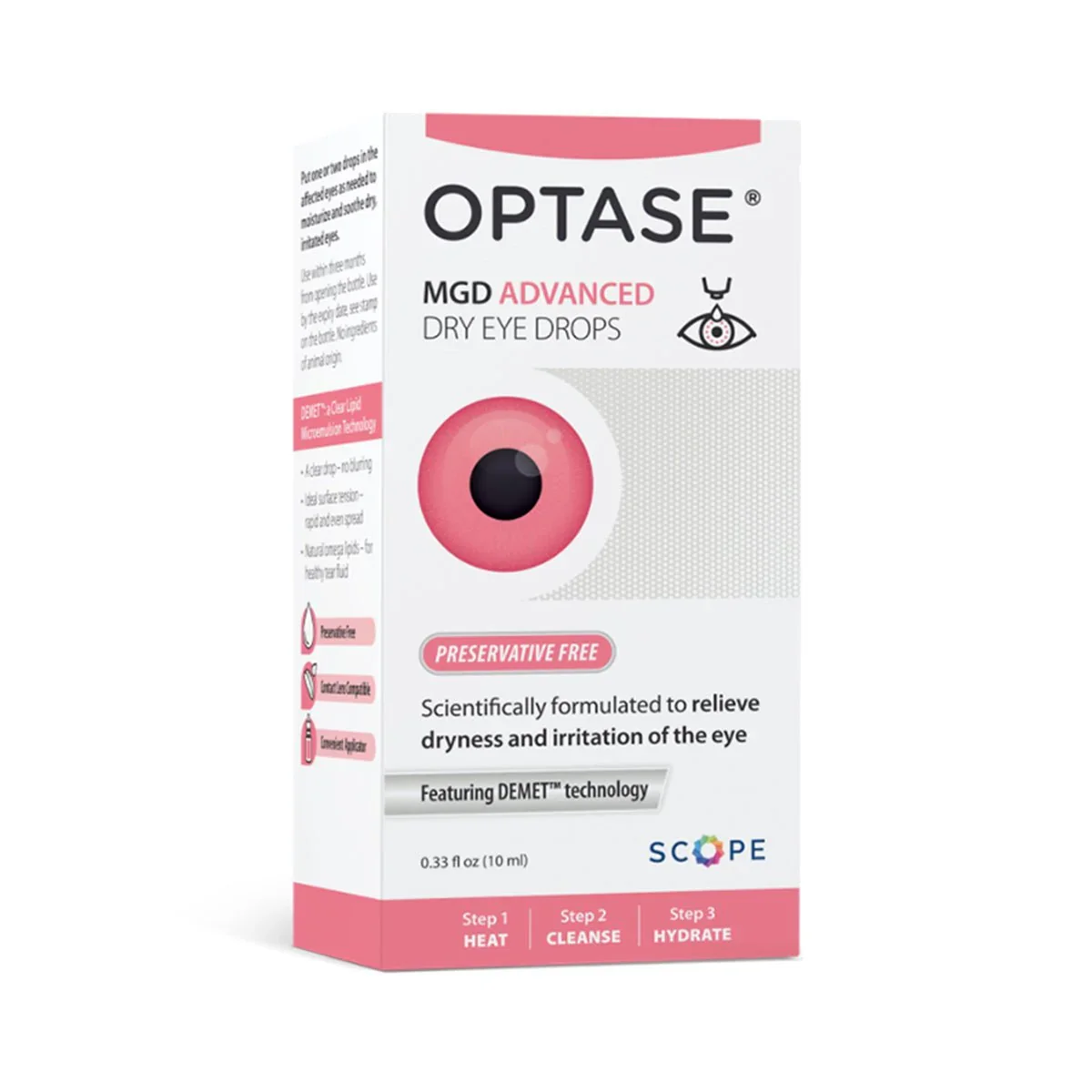
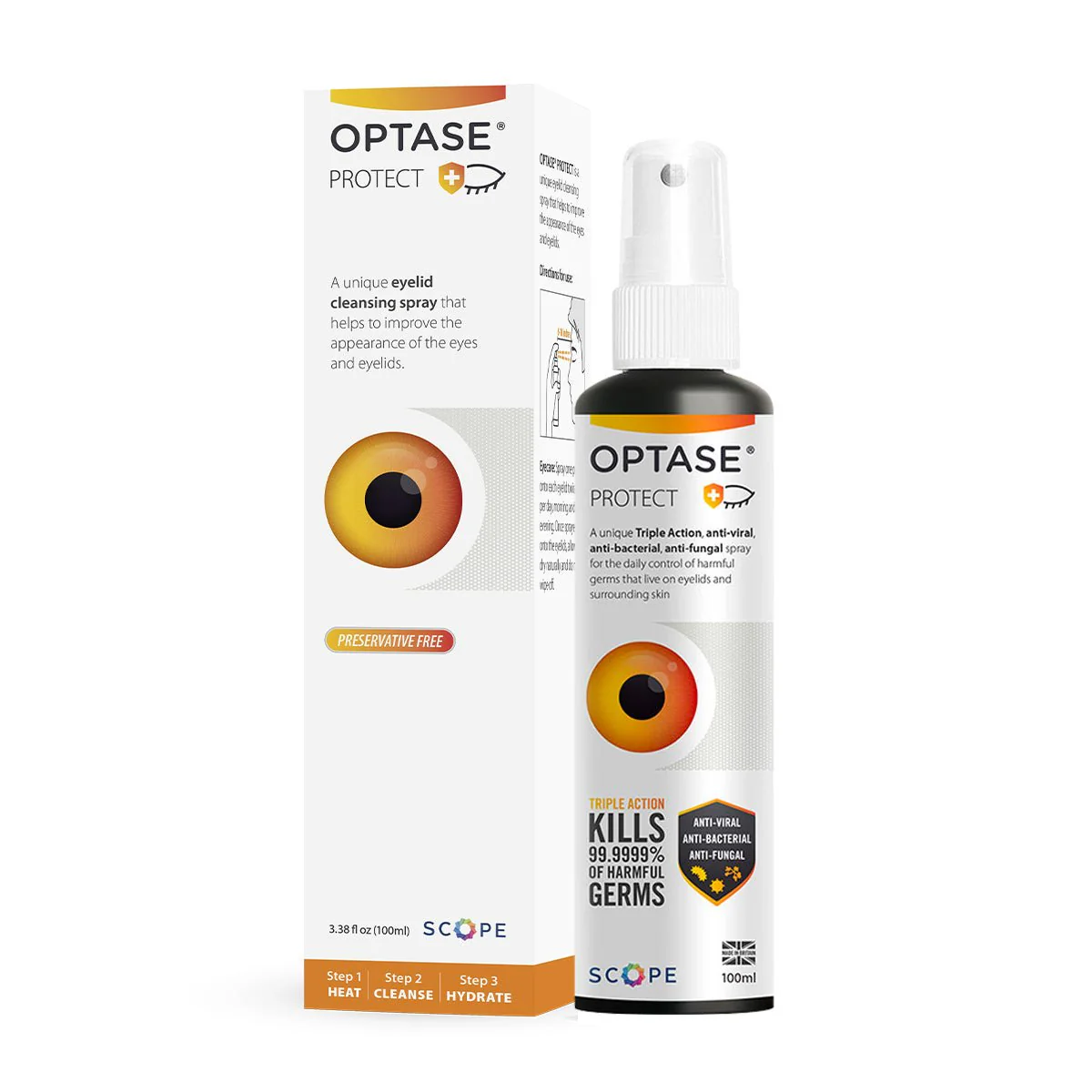
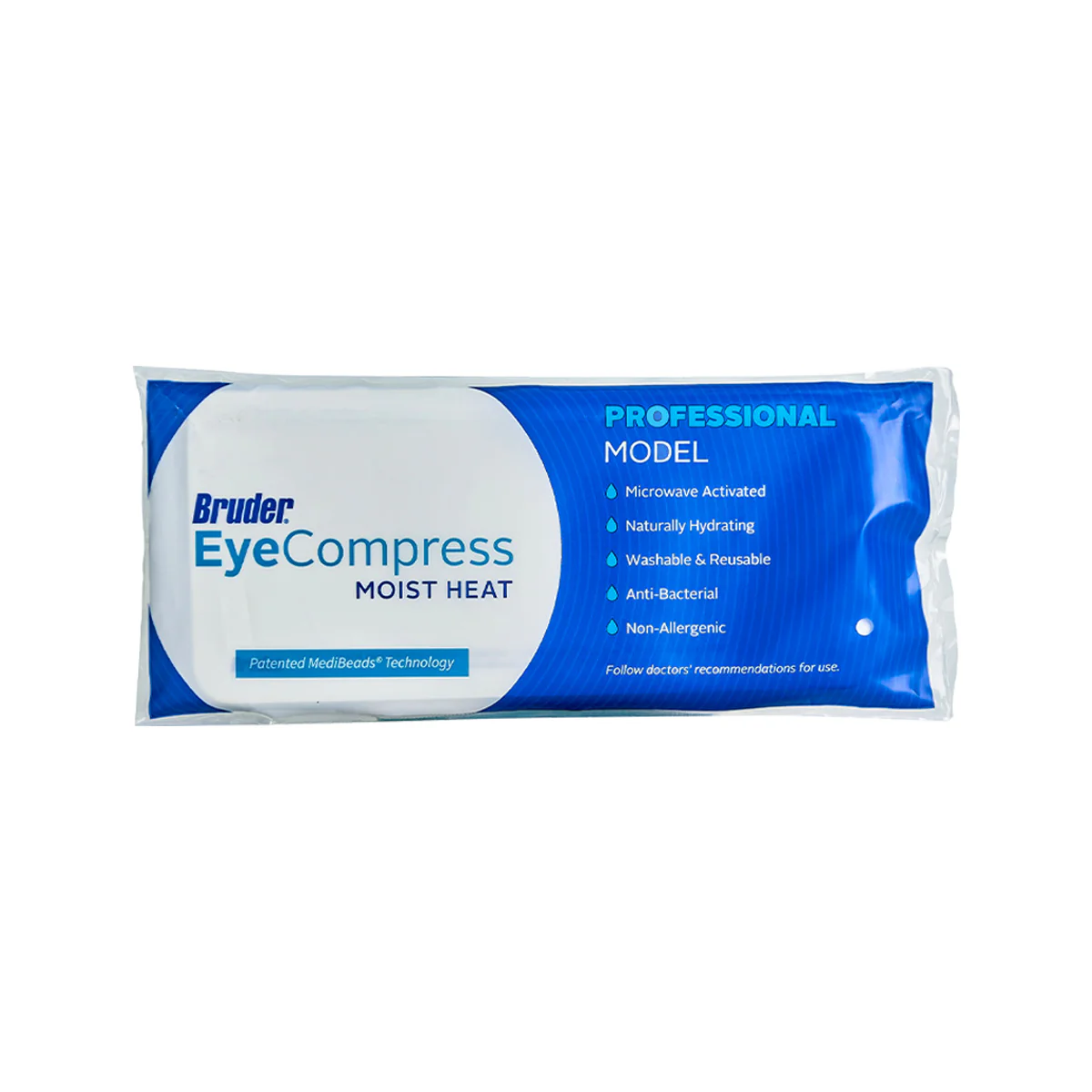
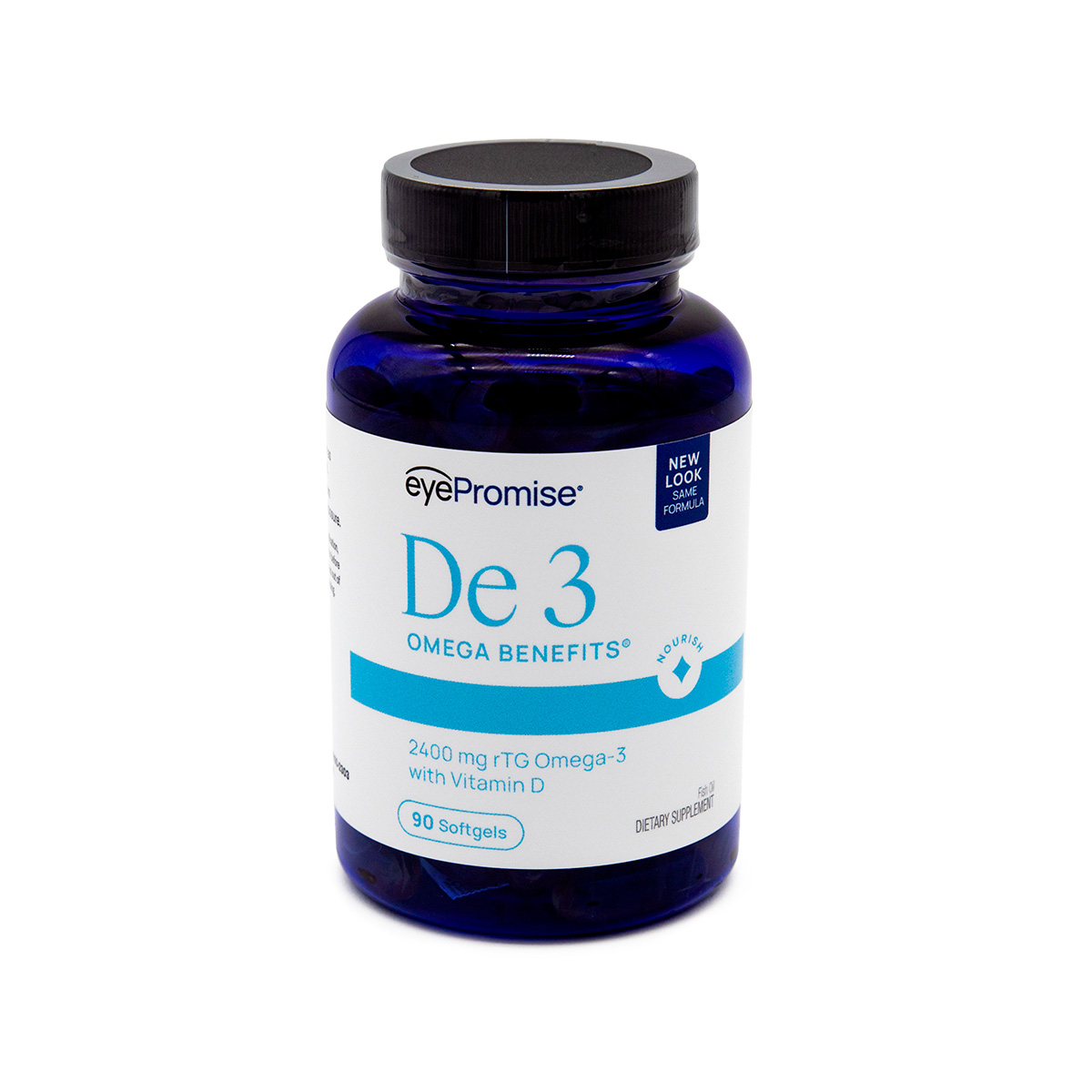
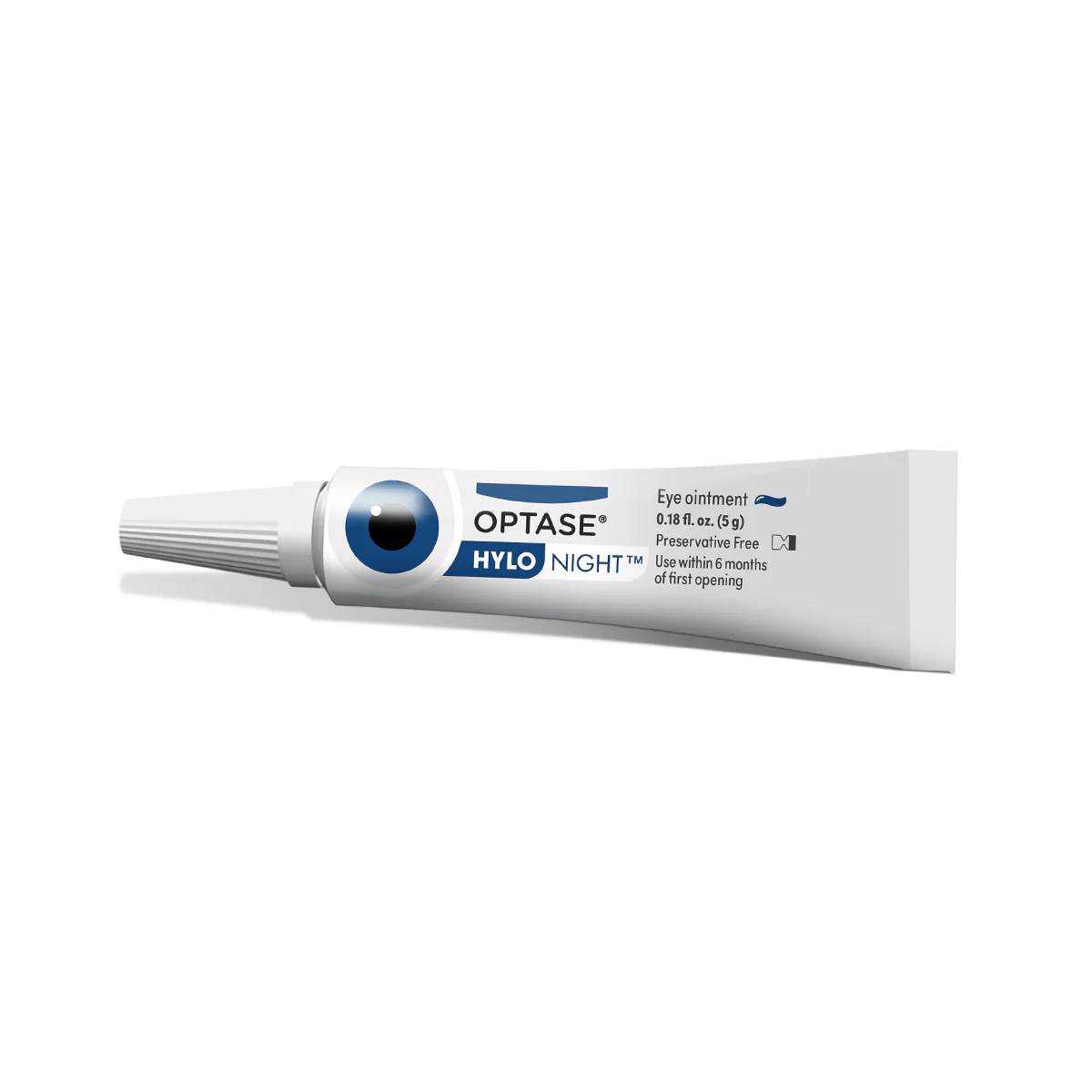
A preservative-free tear, an eyelid cleanser, a heat compress and an omega cover most first plans.
Hand over the plan
Load the routine into RescueLink and switch on automatic refills before checkout.
Count, then expand
Log yes rate and repeat purchases. They decide what earns a spot in the office next.
An opening order that stays small.
One leading item per category that most first plans include. Send everything outside this list through RescueLink.
The first-50 scorecard.
Your staff lead updates it weekly.
| Number | Count | Signals |
|---|---|---|
| Yes rate | Plans accepted out of patients who screened positive | Whether testing and explanation are landing |
| Repeat purchase | Patients who buy again by the end of their first supply | Whether the routine helps and refills are switched on |
| Units per product | Monthly sell-through for each item in the office | What deserves office space and what should ship |
| Added minutes | Extra chair time per screened patient | How much more to hand to staff |
Call the first 50 a pilot. Buying a full wall of inventory before you know your yes rate is the classic early mistake; let real acceptance and repeat purchases decide the next order.
RescueLink
Send the rest home with the patient.
Text or email each patient the exact products you recommend. They check out in one tap on VisionRescue.com, refills can repeat automatically, and your practice receives a 15% participation credit on eligible OTC orders. Contact lenses and Rx products are excluded.
- Free to activate, no subscription
- Patients check out in one tap
- Automatic refills on daily items
- Your recommendation, your patient
Doctor questions about launching
Why a 50-patient pilot?
It is large enough to show a real yes rate and repeat-purchase rate, and small enough that inventory and scheduling barely change.
Where will the 50 come from?
Your current patients. A symptom question at check-in flags them during visits you already have booked.
What is the smallest workable opening order?
Four to six products across tears, lid hygiene, heat and nutrition. Anything beyond that ships to the patient through RescueLink until demand justifies holding it.
Is new equipment required?
No. Screening and a consistent routine come first. Point-of-care tests and devices come later, once patients are saying yes.
How do I protect chair time?
Staff give the questionnaire and run the tests, the routine never changes order, and RescueLink takes care of the product handoff.
What comes after the pilot?
Add the products that sold, give one staff member ownership, and bring in testing and procedures one stage at a time.
References
- Wolffsohn JS, Arita R, Chalmers R, et al. TFOS DEWS II Diagnostic Methodology Report. Ocul Surf. 2017;15(3):539-574. PubMed
- Chalmers RL, Begley CG, Caffery B. Validation of the 5-Item Dry Eye Questionnaire (DEQ-5). Cont Lens Anterior Eye. 2010;33(2):55-60. PubMed
- Schiffman RM, et al. Reliability and validity of the Ocular Surface Disease Index. Arch Ophthalmol. 2000;118(5):615-621. PubMed
About this guide
Prepared for licensed eye care practices by Vision Rescue. Reach the provider team at providers@visionrescue.com or 1-855-692-8024.
Notes and disclosures
General operating guidance, not clinical, legal, tax or billing advice. Outcomes vary with each practice's patients and execution, and treatment decisions belong to the examining doctor. Vision Rescue is a licensed pharmaceutical wholesale distributor of medical supplies and OTC eye care products.
Book the next 50 now.
Open a wholesale account for the in-office items, and switch on RescueLink for the rest.